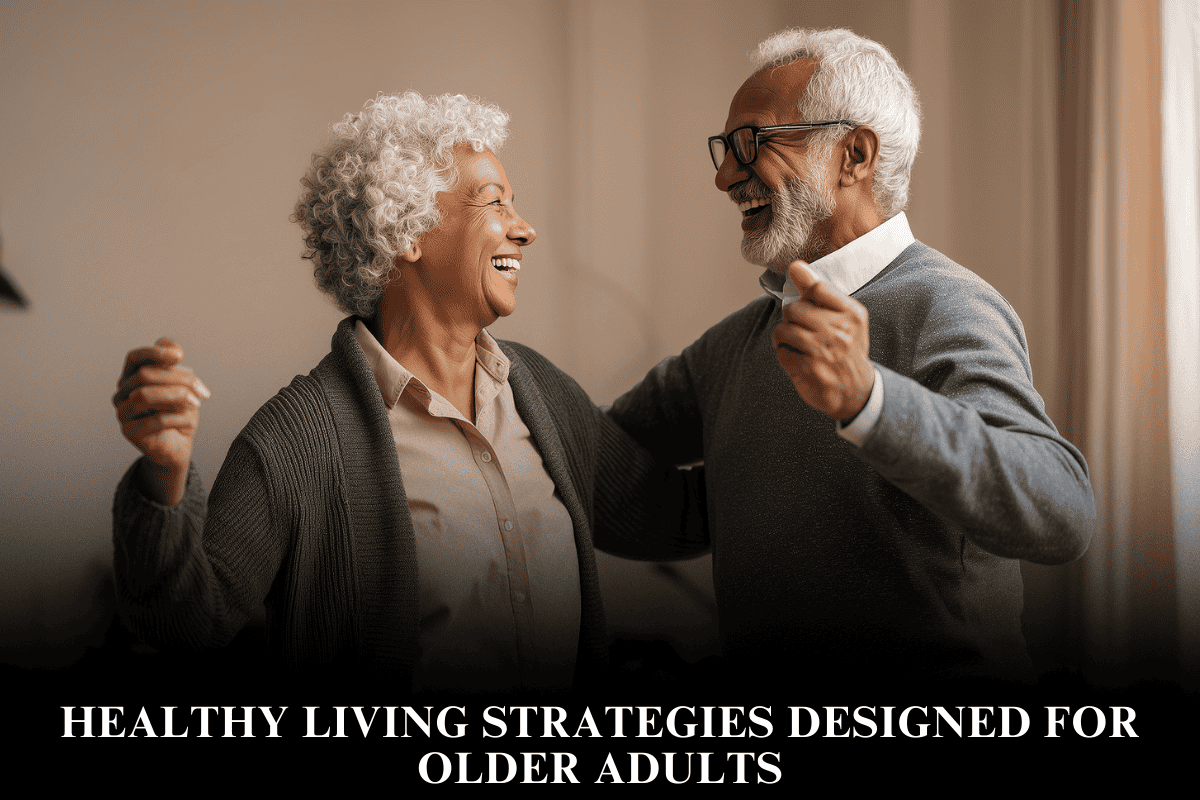
Healthy living strategies for older adults emphasize sustainable habits that boost mobility, mental sharpness, and joy while countering age-related declines.
Tailored approaches like balanced nutrition and gentle exercise help maintain independence amid 2026’s focus on personalized wellness. These evidence-based tips draw from guidelines by the U.S. Department of Health and Human Services and experts at Stanford Medicine.
Exercise Essentials
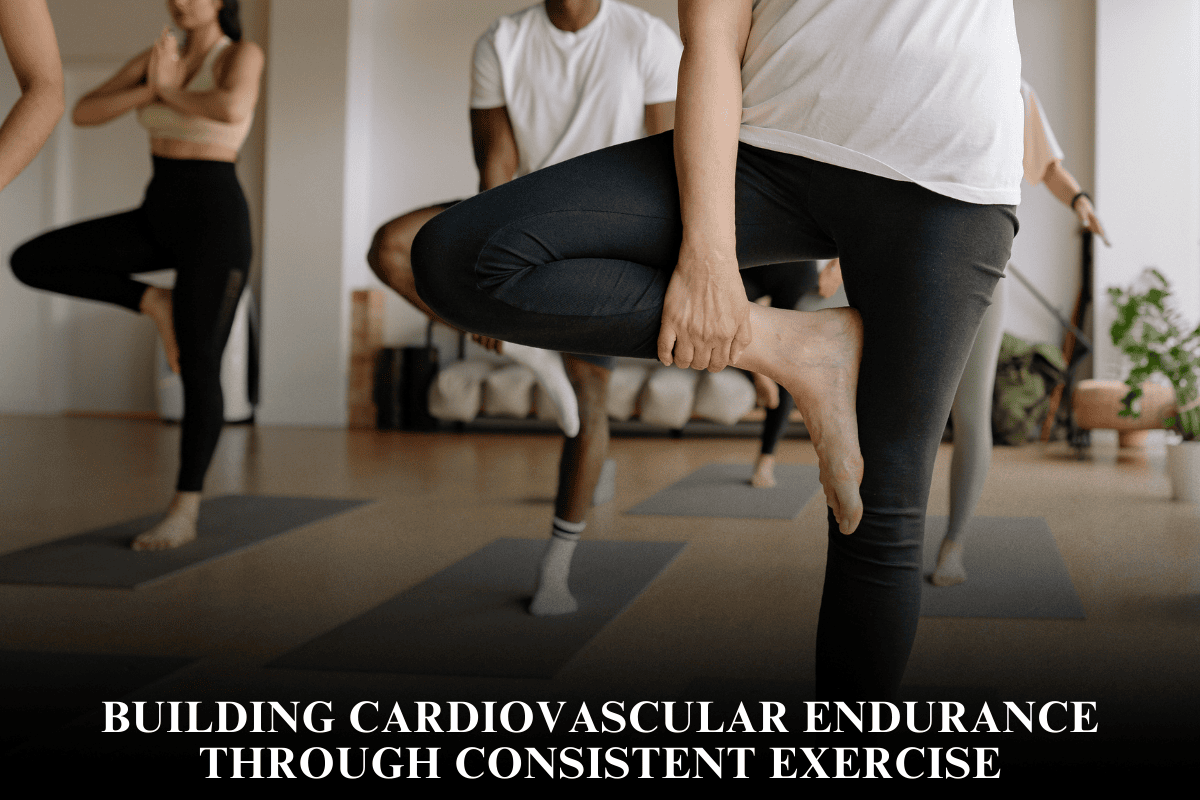
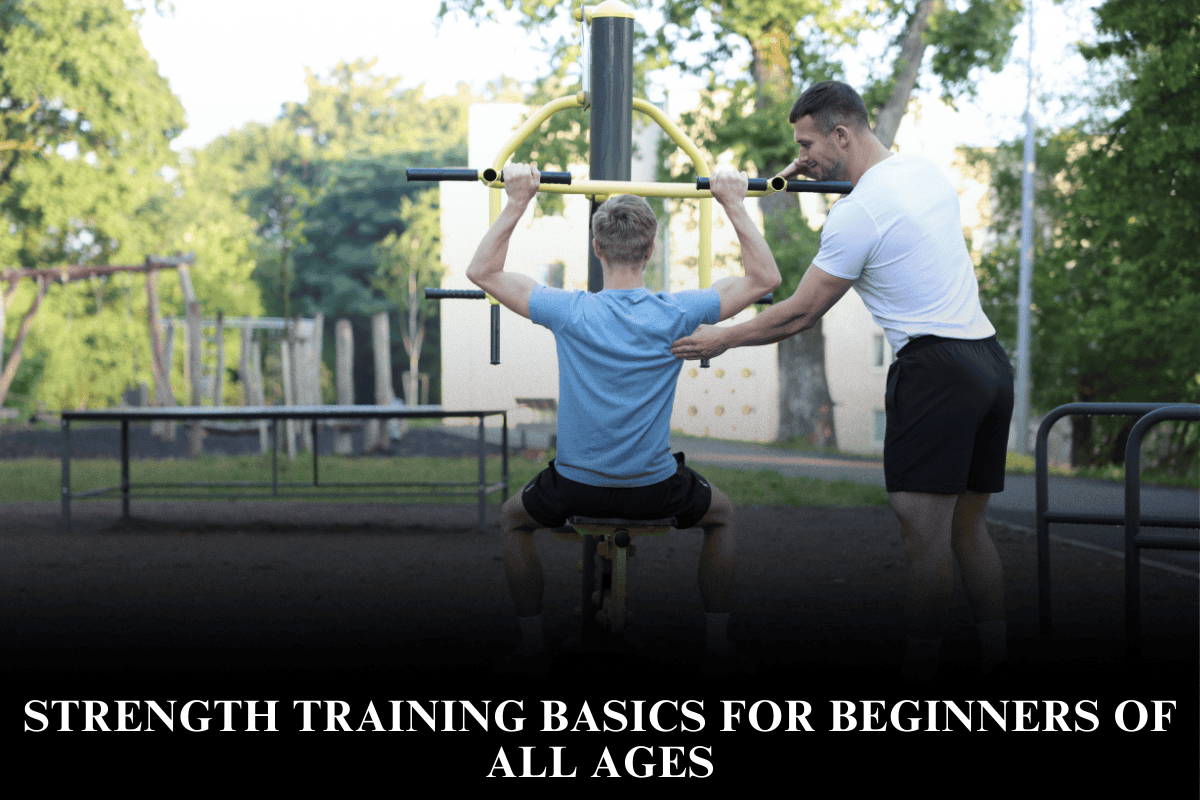
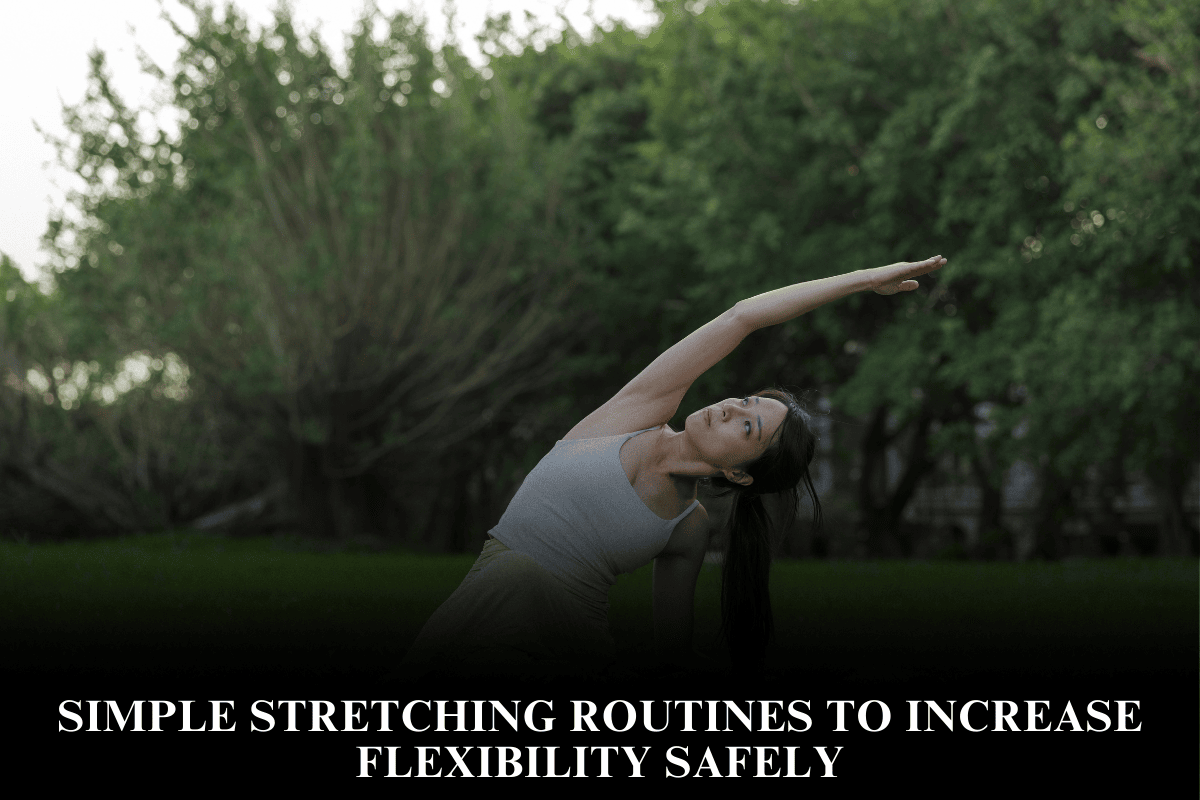
Aim for 150 minutes weekly of moderate aerobic activity, such as brisk walking or swimming, paired with strength training twice a week using resistance bands or body weight. Balance-focused practices like tai chi or yoga reduce fall risks by 20-30%, vital as one in four seniors falls yearly. Short daily sessions—10-minute walks or chair yoga—fit busy routines better than intense gym time, preserving muscle mass and bone density.
Nutrition Priorities
Follow a Mediterranean-style diet: half your plate fruits and vegetables, lean proteins like fish or beans, whole grains, and healthy fats from olive oil, nuts, and avocados. This anti-inflammatory pattern cuts heart disease and cognitive decline risks; prioritize calcium/vitamin D via dairy or fortified foods for bones. Stay hydrated with 8 cups water daily—infused options appeal more—and limit ultra-processed foods to manage weight and digestion.
Sleep and Mental Health
Target 7-9 hours nightly with consistent bedtimes, dark rooms, and no screens an hour before bed; address issues like sleep apnea via doctor checks. Purpose-driven activities—volunteering, hobbies, or learning—combat isolation, linked to 50% higher depression rates in seniors. Mindfulness or group classes foster connections, enhancing brain health per WHO’s Decade of Healthy Ageing framework.
Preventive Screenings
Schedule annual checkups: blood pressure, cholesterol, diabetes, bone density (women 65+), vision/hearing tests, plus flu/COVID vaccines. Early detection via these prevents 80% of manageable conditions; medication reviews ensure safe polypharmacy.
Social and Lifestyle Habits
Join community programs for walking groups or creative pursuits—2026 trends highlight flexible, enjoyable wellness over rigid rules. Limit alcohol to one drink daily, quit smoking via patches/apps, and integrate movement like gardening for dual physical/social gains.
Daily Routine Example
Morning: 20-minute walk, oatmeal with berries/nuts. Midday: Balanced lunch, volunteer hour. Evening: Tai chi video, herbal tea, early bedtime. Track via apps for motivation.
FAQs
Q. How much exercise do seniors need weekly?
150 minutes moderate aerobic plus strength twice weekly.
Q. What’s the best diet for aging well?
Mediterranean: veggies, lean proteins, healthy fats.
Q. Why prioritize sleep hygiene?
Supports immunity, mood; combats age-related disruptions.
Q. How often get screenings?
Annually for BP, cholesterol, etc.; per doctor for others.
Q. Can social activities improve health?
Yes, reduce depression risk and boost longevity.