Fitness programs designed for community engagement build social bonds while promoting health across U.S. neighborhoods. These initiatives, from outdoor gyms to group classes, boost participation by making exercise fun, accessible, and collective.
Overview of Community Fitness
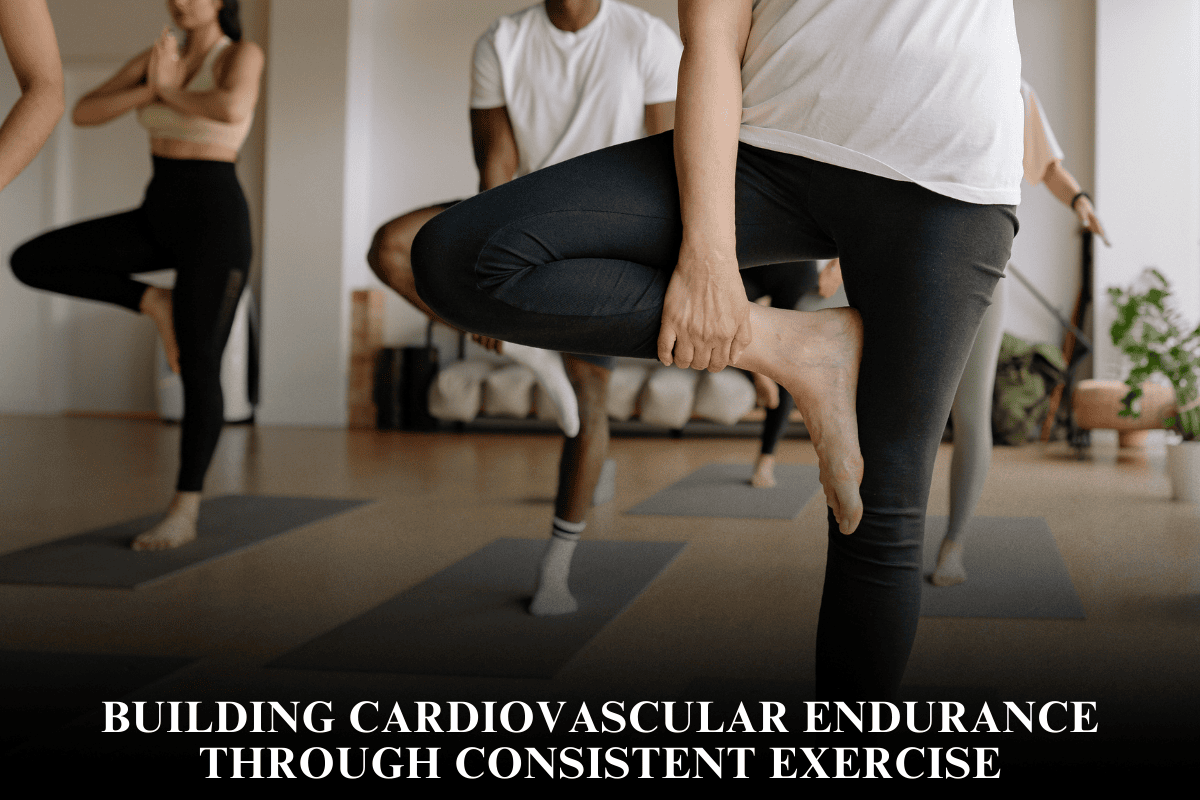
Community fitness programs thrive in parks, YMCAs, and senior centers nationwide. They offer free or low-cost classes like yoga, Zumba, and cycling to increase physical activity levels.
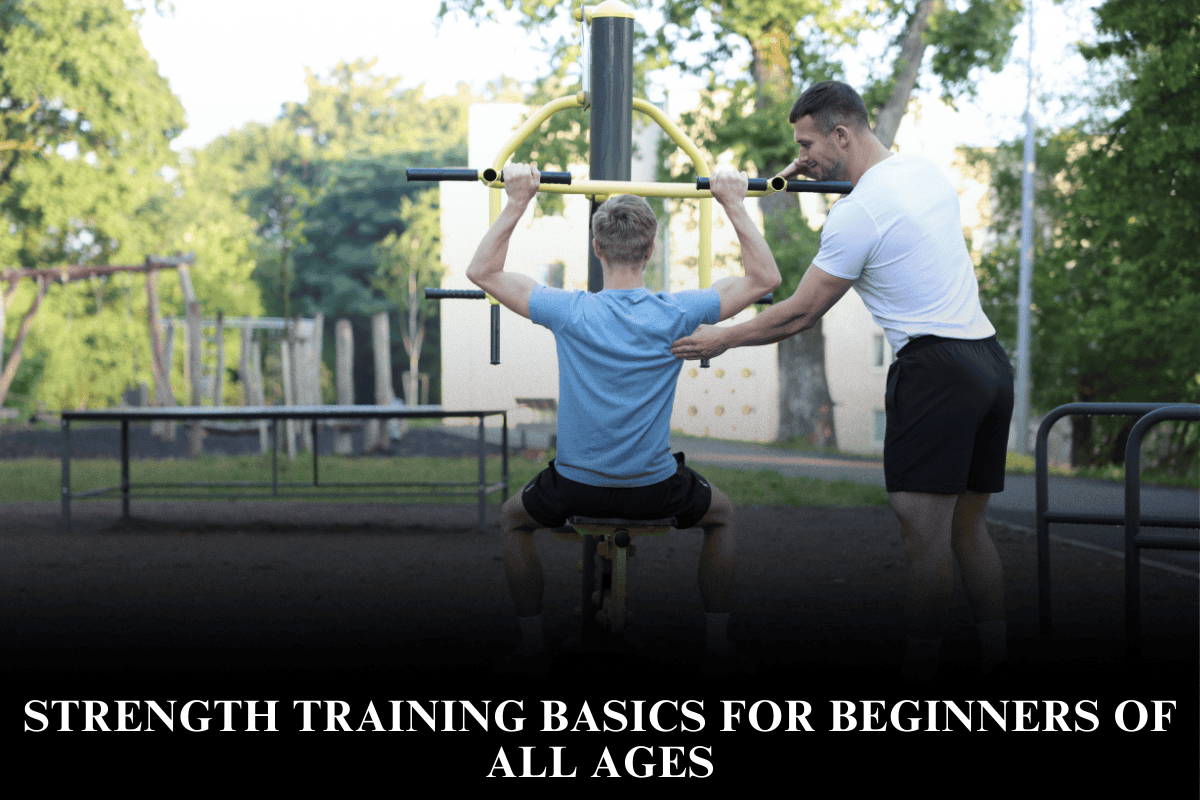
The National Fitness Campaign aims for 5,000 Fitness Courts by 2030, placing world-class outdoor gyms within a 10-minute bike ride of every American. These efforts combat obesity through public-private partnerships, raising over $100 million.
Key Program Examples
SilverSneakers provides Medicare-covered access to gyms and classes for older adults, with online and in-person options at thousands of locations. StrongPeople targets midlife adults with strength training and nutrition education, adapting to urban, rural, and suburban settings. Memorial Hospital’s 2026 program integrates SilverSneakers, group classes, and personal training in a medically supervised environment.
Texercise in Texas offers free materials for senior fitness, including incentives for those over 45 or with disabilities. Pedaling for Parkinson’s uses stationary bikes at 150+ YMCAs to ease symptoms. President’s Council on Sports, Fitness & Nutrition promotes inclusive activities for all abilities.
Engagement Strategies
Programs succeed by fostering social support, which boosts adherence. Group classes like Tai Chi and aerobic dance match jogging’s calorie burn while building community. Mobile apps track progress, and ambassadors train locals for sustained activation. Financial incentives and no-contract models remove barriers.
Parks and recreation departments tailor offerings to diverse groups, from arthritis-focused sessions to youth sports. Events like the Connected Health & Fitness Summit 2026 highlight trends such as wearable tech and older adult programs.
Health and Economic Benefits
These programs elevate fitness, reduce chronic disease risks, and cut healthcare costs. A 2023 review confirms they increase activity, especially with social elements. Americans plan $60 billion in 2026 fitness spending, prioritizing exercise resolutions. Community designs encourage daily movement, improving outcomes in underserved areas.
Challenges and Future Trends
Barriers include funding and access in rural spots, but trends like mobile apps and adult recreation address them. ACSM’s 2026 trends rank older adult programs and weight management highly. Expansion via federal councils ensures equity.
Frequently Asked Questions
Q. What are Fitness Courts?
Outdoor gyms funded by public-private partnerships, designed for all fitness levels and placed near communities.
Q. Who qualifies for SilverSneakers?
Older adults via Medicare Advantage plans, offering free gym access and classes nationwide.
Q. How do group classes aid engagement?
Social support increases participation and matches high-intensity workouts’ benefits.
Q. What trends shape 2026 programs?
Wearables, older adult focus, mobile apps, and community recreation lead.
Q. Are programs free or low-cost?
Many are, via Medicare benefits, parks, or incentives; no contracts common.