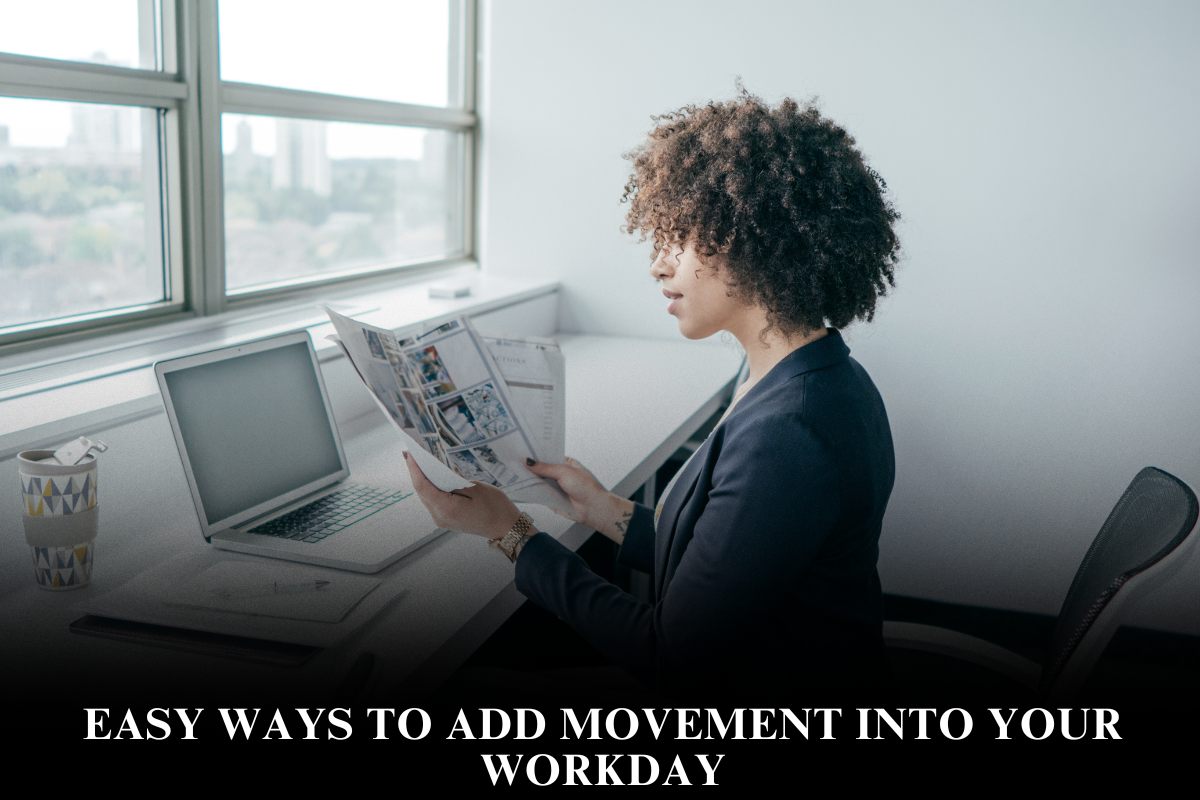
Incorporating movement into sedentary workdays counters prolonged sitting’s risks—heart disease, back pain, and metabolic slowdown—by boosting energy, focus, and calorie burn up to 88/hour via standing alone. Simple habits like hourly breaks or desk stretches accumulate 30+ minutes daily, matching CDC guidelines without gym time. U.S. office workers averaging 9+ hours seated gain productivity (34% via routines) and mood lifts from these no-equipment strategies.
Desk Exercises for Instant Activation
Perform seated marches: lift knees alternately 30-60 seconds, engaging core/legs without leaving chair. Desk push-ups: hands on edge, lower chest toward desk 10-15 reps for upper body. Wrist/finger stretches counter typing strain—extend arms, pull fingers back gently 10-30 seconds/side. Chair twists: seated spinal rotation holds 10 seconds/side loosen hips/back. Do 2-3 rounds hourly via timer apps.
Walking Meetings and Break Hacks
Propose walk-and-talks: pace during calls or 1:1s, sparking creativity while adding 1,000+ steps. Lunch walks: 10-15 minutes outdoors post-meal combats slump, per Harvard studies. Stairs over elevators: 2-3 flights multiple times burn 0.17 cal/step. Park farther: extra 2-5 minutes walking to entrances tallies 500 steps.
Workstation Upgrades for Passive Movement
Standing desks cut sitting 60 minutes/day, easing back pain and boosting alertness. Alternate sit/stand hourly; stability balls engage core continuously. Under-desk pedal/ellipticals pedal silently during emails, targeting 5,000 steps. Foot flexes/ankle circles every 30 minutes prevent stiffness.
Midday and End-of-Day Routines
Lunch workout: 10-minute bodyweight circuit (squats, planks) or yoga flow. Post-lunch slump? 5-minute walk resets focus. End-day stretch: neck rolls, hamstring reaches 10-30 seconds. Commute active: bike/public transit adds 20-30 minutes.
Tech and Habit Tools
Timers every 30-60 minutes prompt stands/stretches (Pomodoro apps). Pedometers track 7,000-10,000 steps goal. NASA Deskfit: planks on desk edge 10-15 seconds. Garden at desk: tend plants for micro-breaks.
Long-Term Benefits and Tracking
Consistent movement slashes obesity risk, improves posture/productivity 34%. Track via apps: steps, break adherence. NASA/CDC endorse for desk workers.
FAQs
1. How often for movement breaks?
Every 30-60 minutes, 5-10 minutes: timers ensure consistency.
2. Standing desk pros/cons?
Boosts energy/calories, cuts pain; fatigue risk—alternate hourly.
3. No gym needed exercises?
Marches, push-ups, twists—all chair-based, 2-3x daily.
4. Walking meetings benefits?
Creativity up, steps +1,000; fresh air fights slump.
5. Track progress how?
Apps for steps/breaks; aim 30 minutes total daily movement.