US communities offer diverse resources to promote active lifestyles and healthy habits, tackling rising obesity and sedentary trends. These initiatives span parks, nonprofits, and local programs, fostering wellness nationwide.
Parks and Recreation Programs
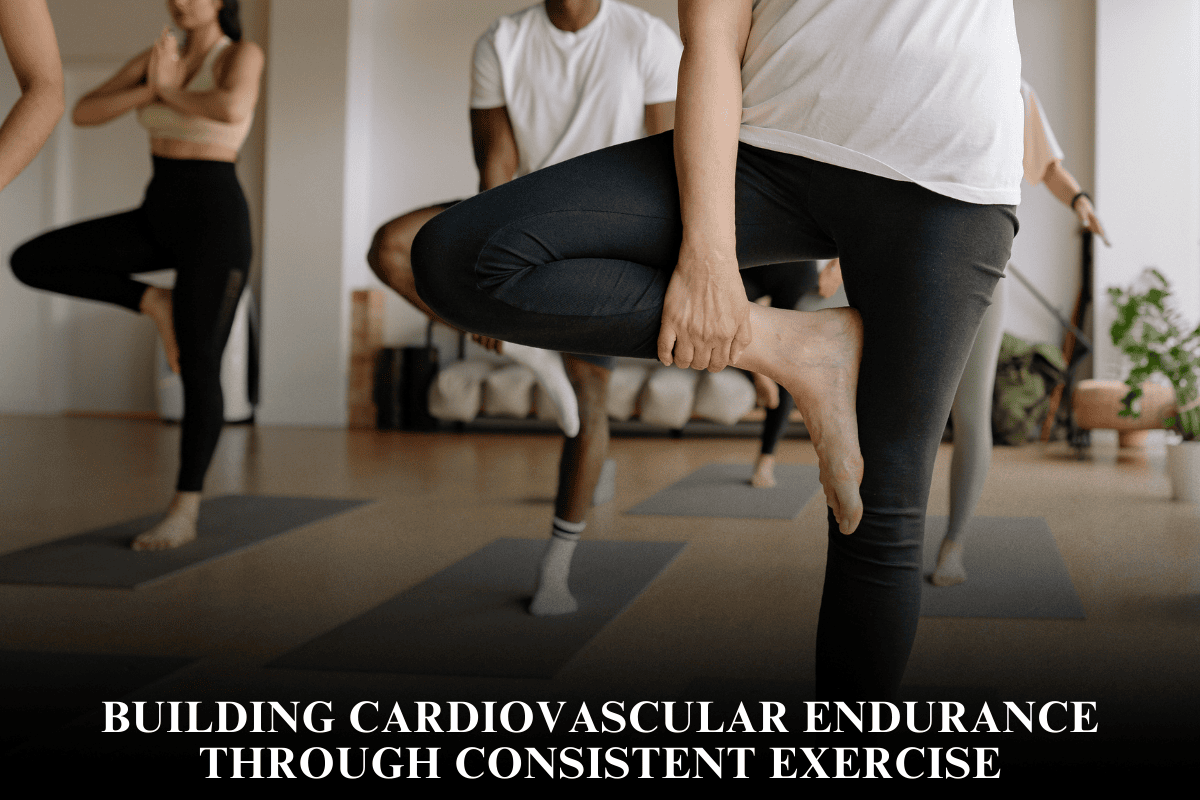
Public parks host free fitness classes like yoga, tai chi, and boot camps, drawing families for trails and playgrounds. Cities like those in Washington state run monthly wellness series with virtual seminars on nutrition and exercise. National Recreation and Park Association data shows over 300 million annual visits, boosting physical activity by 20% in participants.
Community Centers and Nonprofits
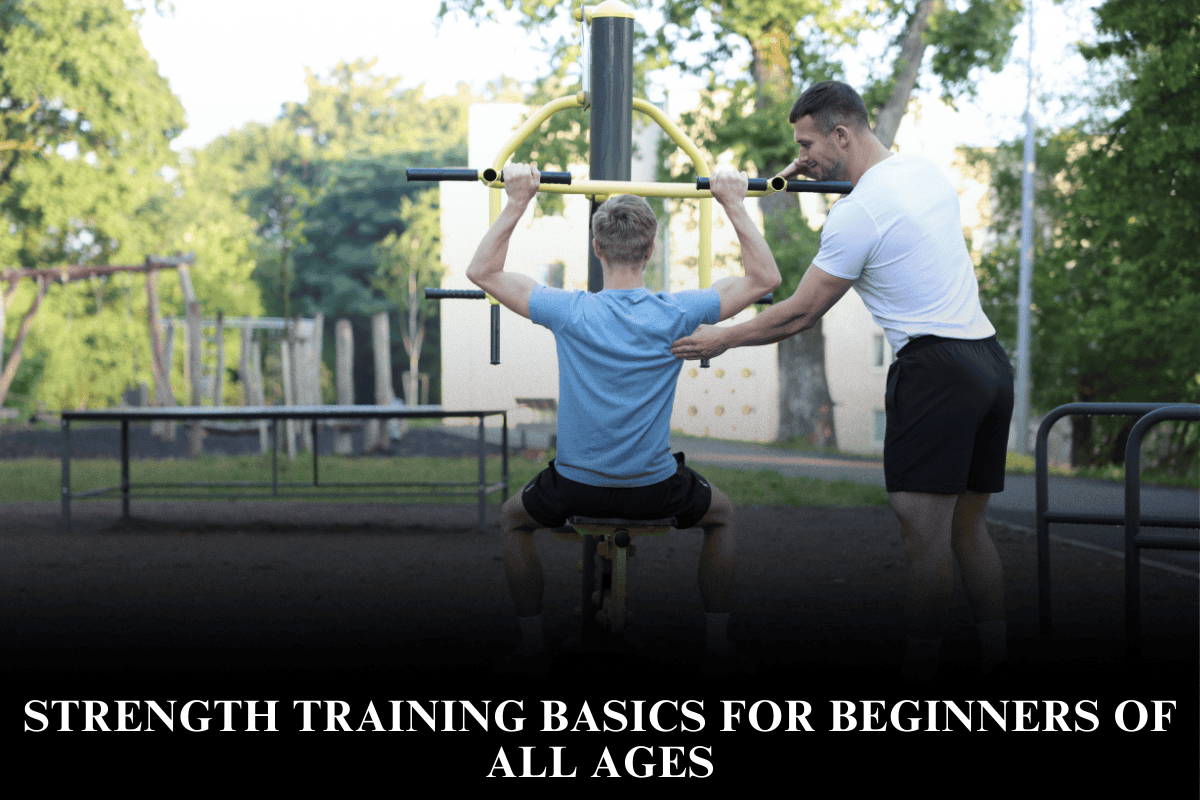
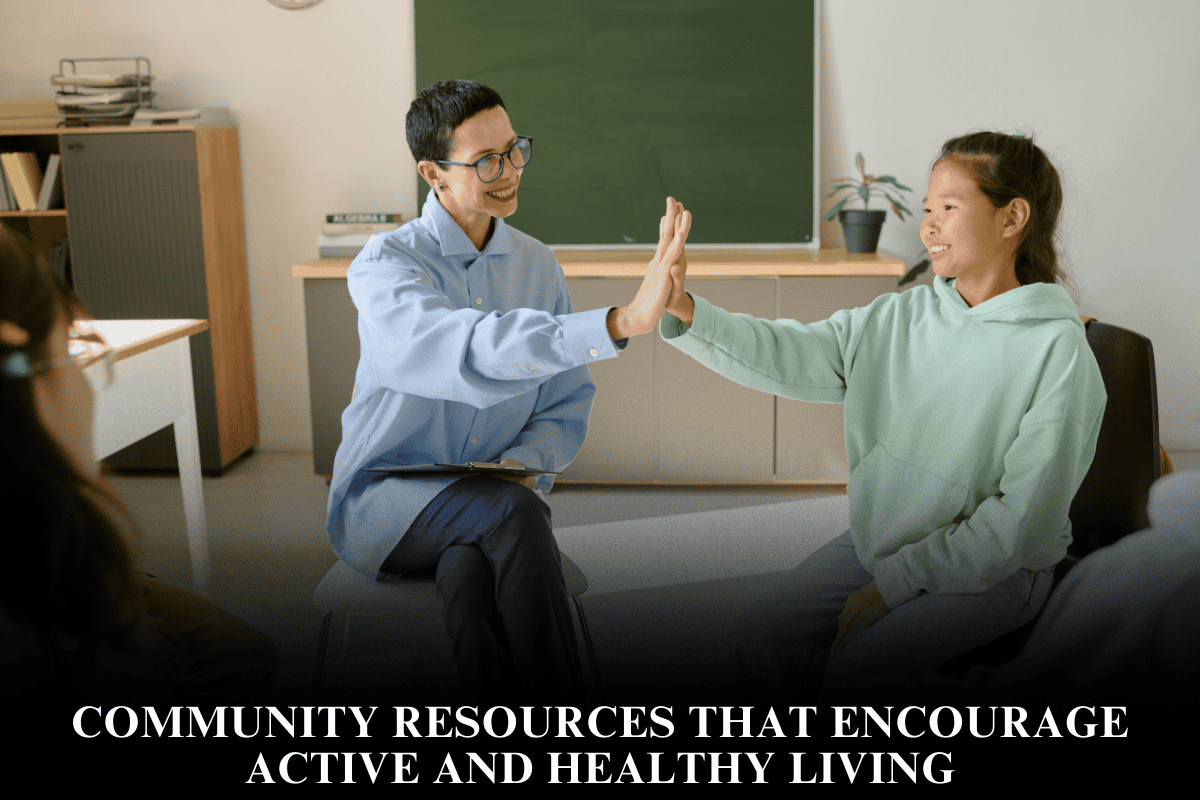
YMCA and JCC branches provide low-cost gyms, swim lessons, and senior strength training to prevent falls. Nonprofits like Active Living by Design fund walking clubs and bike shares in underserved areas, targeting rural and urban gaps. Programs emphasize functional fitness, such as balance exercises for older adults.
Farmers Markets and Nutrition Initiatives
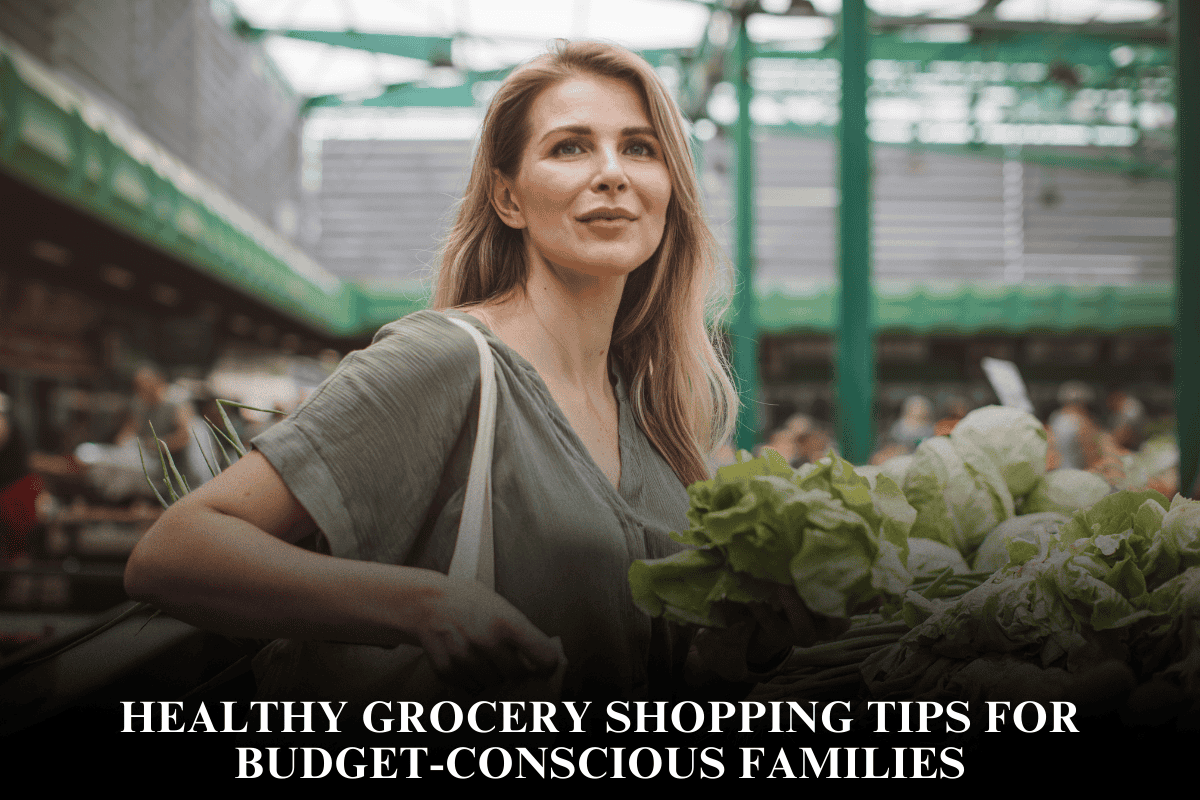
Weekly markets offer SNAP incentives, doubling produce dollars for low-income families to encourage healthy eating. Community Supported Agriculture (CSA) shares deliver fresh veggies, paired with cooking demos for balanced meals. Heart disease prevention ties into these, with education on hydration and portion control.
School and Youth Programs
After-school sports and “Move Together” challenges build habits early, with teams tracking steps via apps. Programs like Let’s Move! integrate play into curricula, reducing youth screen time while promoting social bonds. Intergenerational events connect kids with seniors for joint hikes.
Employer and Workplace Tie-Ins
Many communities partner with firms for virtual classes and wellness challenges, open to residents. Flexibility trends include menopause support and stress walks, aligning with public health goals. ROI shows 3:1 returns via lower healthcare use.
Technology-Enabled Access
Apps link to free park runs and virtual summits like the Wellness Alliance event, sharing trends. Telehealth nutrition coaching extends reach, especially post-2025 broadband expansions under Trump policies.
Challenges and Success Metrics
Barriers like access in low-income zones persist, but grants fund mobile units. Success: Programs cut obesity by 15% in engaged groups, per CDC-aligned studies.
These resources empower active living, cutting chronic disease risks in 2026 US communities.
FAQs
1. What free community fitness options exist in the US?
Parks offer yoga, tai chi, and trails; YMCAs provide low-cost classes nationwide.
2. How do markets support healthy eating?
SNAP doubles produce funds; demos teach recipes at local stands.
3. Are senior programs effective?
Yes, balance training reduces falls; social events combat loneliness.
4. What’s involved in wellness challenges?
Team steps or activity tracking via apps, often monthly.
5. How to find local resources?
Check city rec sites, 211.org, or apps for parks and events.