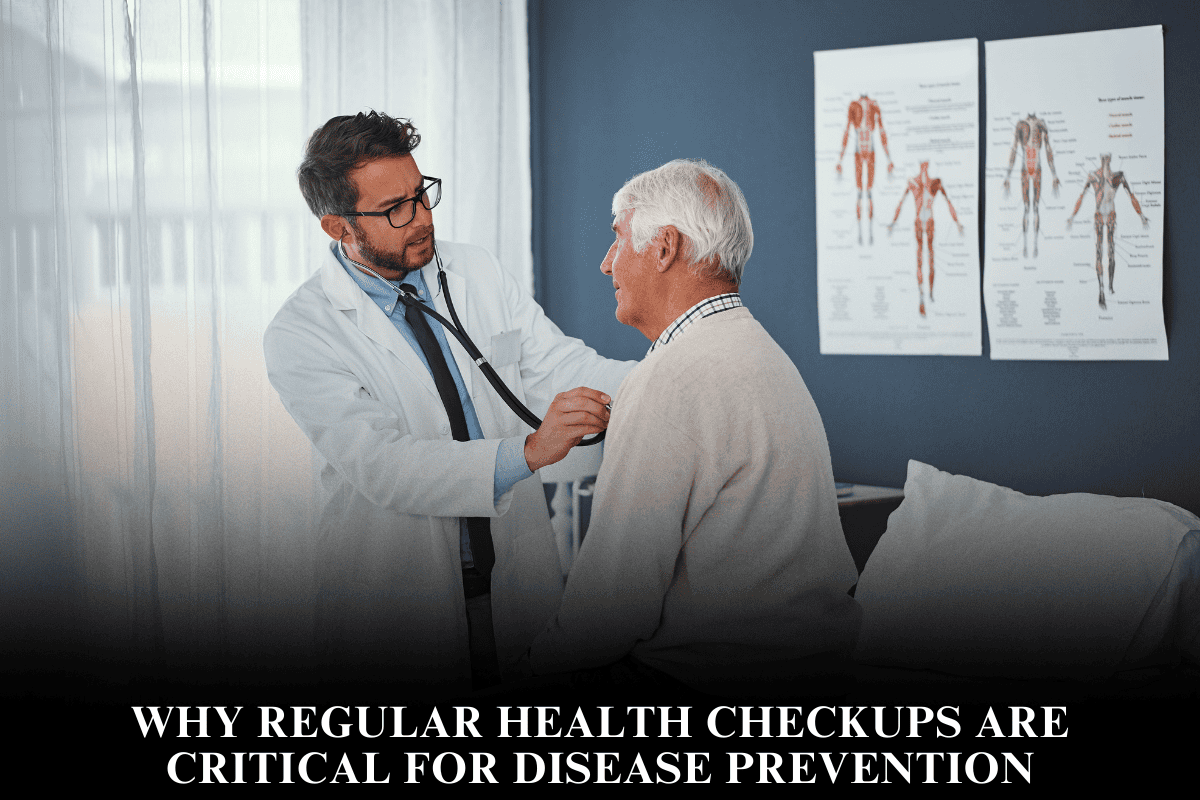
Regular health checkups are essential proactive steps that detect potential issues early, enabling timely interventions to prevent chronic diseases and improve long-term outcomes. They ...
Health disparities refer to preventable differences in health outcomes and access to care that disproportionately affect certain populations, often rooted in social and economic ...
Medicaid is a vital joint federal-state program providing free or low-cost health coverage to low-income Americans, including access to essential local services like primary ...
Building community awareness for public health emergency preparedness empowers US families and neighborhoods to act swiftly during crises like pandemics, floods, or chemical spills. ...
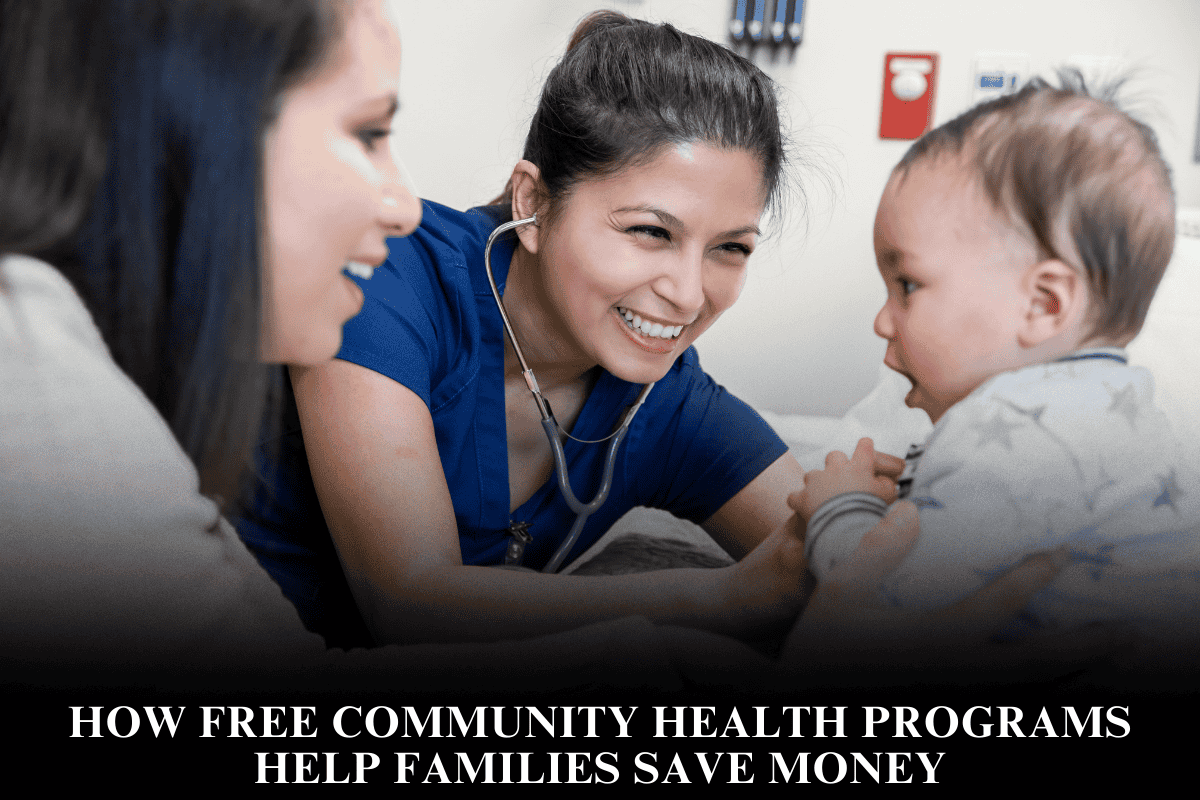
Free community health programs in the US deliver essential services at no cost, easing financial burdens for families without insurance or facing high medical ...
Public health workforce developments in the US are accelerating to build a robust, skilled cadre ready for emerging threats like pandemics, climate health impacts, ...
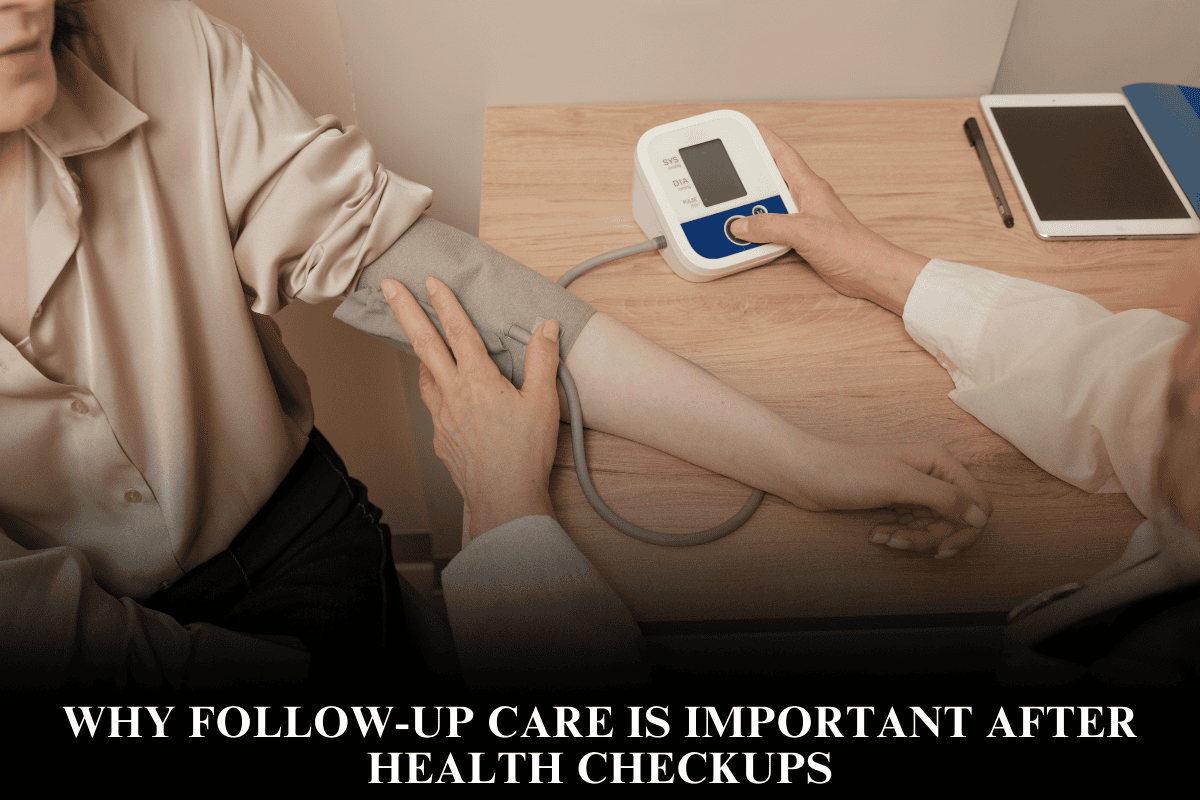
Follow-up care after health checkups bridges the gap between initial screenings and long-term wellness, catching issues early to prevent costly complications in the US ...
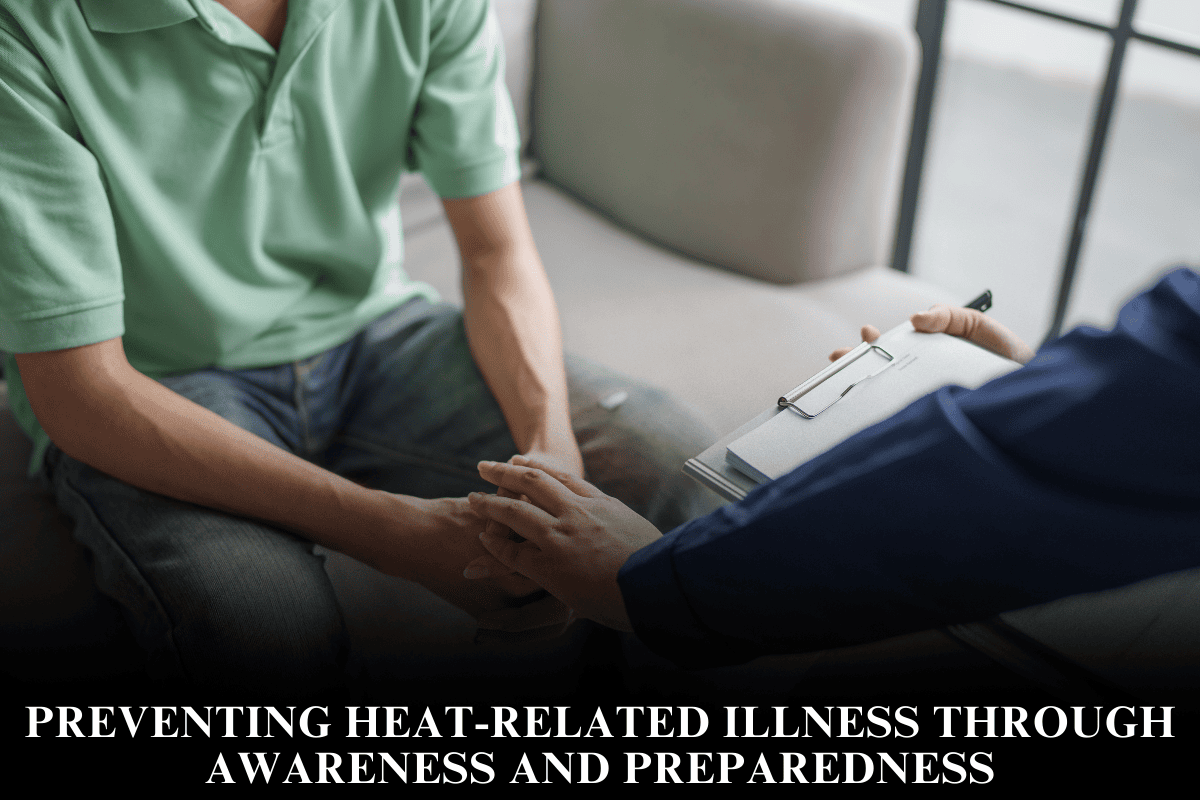
Heat-related illnesses strike thousands yearly in the US, from heat exhaustion to life-threatening heatstroke, amid rising extreme weather events fueled by climate change. Awareness ...
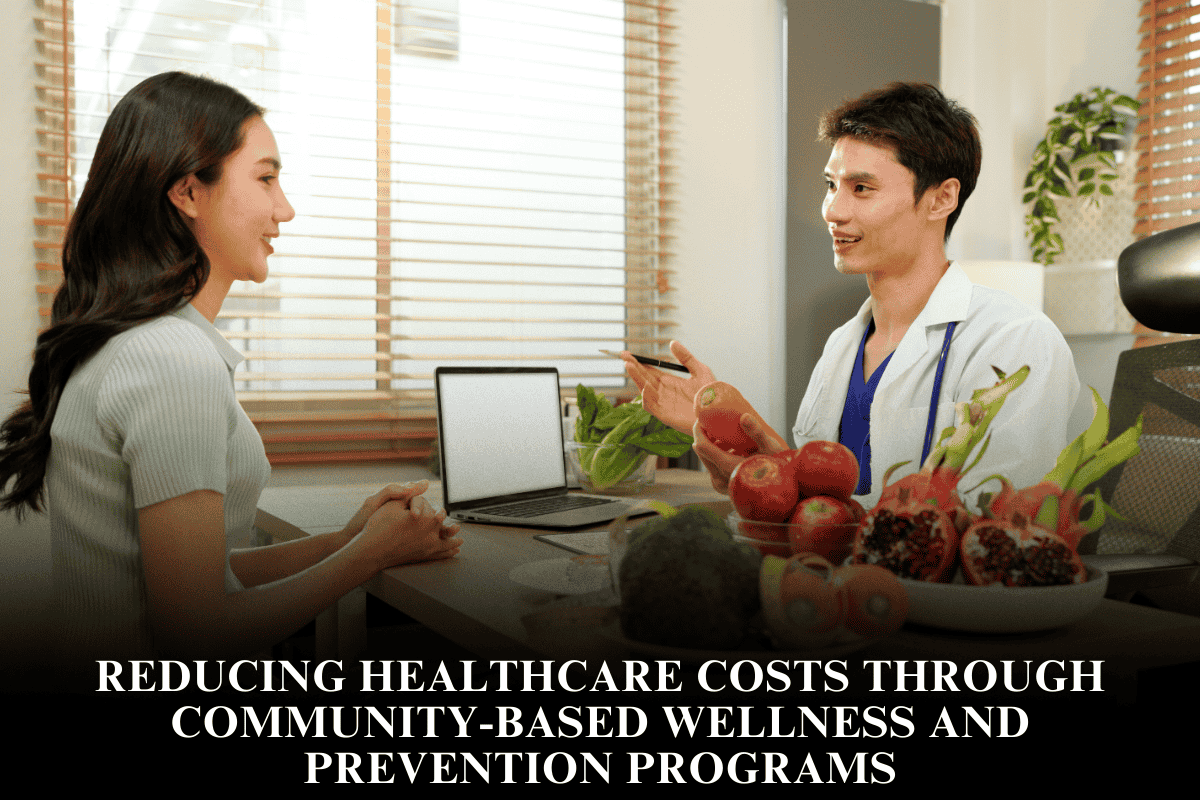
Community-based wellness and prevention programs offer a proactive strategy to curb soaring US healthcare costs, which topped $4.5 trillion in 2024, by emphasizing early ...