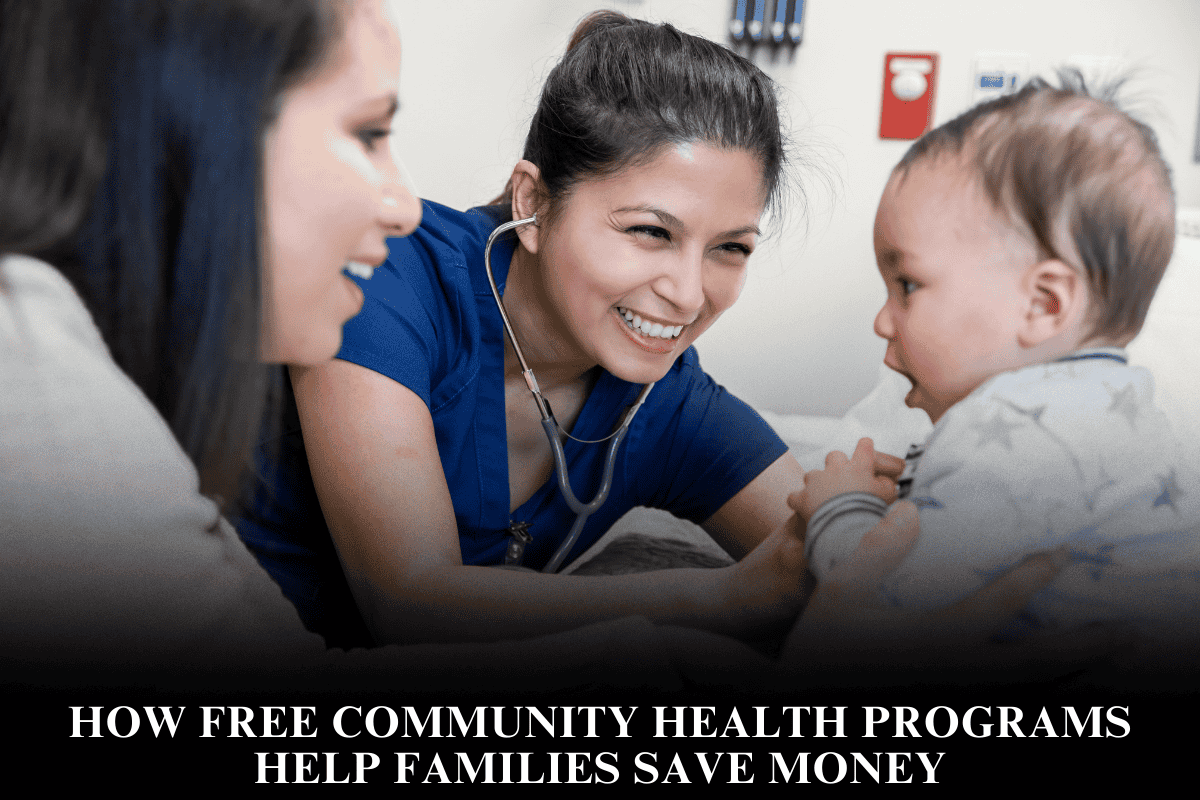
Free community health programs in the US deliver essential services at no cost, easing financial burdens for families without insurance or facing high medical bills. These initiatives, from clinics to school-based centers, prevent costly emergencies and promote wellness.
Program Overview
Programs like free clinics and community health centers serve over 30 million uninsured Americans, offering check-ups, vaccines, and screenings. Organizations such as the National Association of Free & Charitable Clinics (NAFC) support 1,400+ sites nationwide, providing $14 million in services annually through volunteers.
Non-profits like Shepherd’s Hope deliver 330,000 no-cost visits yearly, while Family Medicine Cares USA funds equipment for underserved areas. These efforts target working families who fall through coverage gaps, including Medicaid non-qualifiers.
Direct Cost Savings
Families save thousands by accessing free preventive care, avoiding ER visits that average $2,400 per uninsured patient. Routine services like blood pressure checks or diabetes tests prevent chronic issues, cutting long-term expenses by up to 25%.
For example, NAFC clinics received $1.28 million in grants for cancer screenings and food aid, reducing hospital admissions. A family of four might save $1,000+ yearly on vaccines and testing alone, freeing funds for rent or groceries.
Types of Services
- Primary Care: Free doctor visits, prescriptions, and dental at sites like Shepherd’s Hope.
- Vaccinations: Flu, COVID, and childhood shots via programs like United in Health.
- Screenings: HIV, glucose, and blood pressure tests to catch issues early.
- Wellness Education: Nutrition classes and opioid reversal kits (Narcan).
- Specialized Aid: Student-run clinics for mental health and refugee care.
Urban and rural centers ensure broad access, with sliding-scale fees for some based on income.
Real-World Impact
In San Francisco’s Mission District, United in Health provided free COVID tests and vaccines since 2021, serving thousands amid job losses. Clarkston Community Health Clinic in Georgia treated 5,500 uninsured patients, expanding with $2.5 million to handle demand.
Shepherd’s Hope leverages 1,800 volunteers for sustainable care, proving community models work without taxpayer strain. During COVID, demand surged 74%, highlighting programs’ role in crises.
Savings Breakdown
These figures reflect national averages, varying by state.
Accessing Programs
Locate via Healthcare.gov’s finder or NAFC’s directory; no insurance needed. Apply for grants seasonally, like Family Medicine Cares (March–July). Volunteers amplify reach, turning time into family savings.
School-based centers and rural grants (e.g., NC’s SFY 2026) expand options. Low-barrier sites like pop-up events ensure quick entry.
Long-Term Benefits
Beyond dollars, programs build health equity, reducing food insecurity ties to illness. Grants from CVS Health ($1.25M) fund telehealth, modernizing access. Families gain stability, kids miss less school, and communities thrive.
These US staples, rooted in volunteerism, counter rising premiums—vital as 50 million faced unemployment spikes recently.
FAQs
1. Who qualifies for free clinics?
Uninsured or low-income individuals; no citizenship check at most NAFC sites.
2. Are prescriptions free?
Often yes, via partnerships; some offer low-cost generics.
3. How do I find a local program?
Use Healthcare.gov or NAFC.org locators.
4. Can families get mental health help?
Yes, many provide counseling alongside physical care.
5. Do programs serve rural areas?
Absolutely, with grants targeting underserved regions.