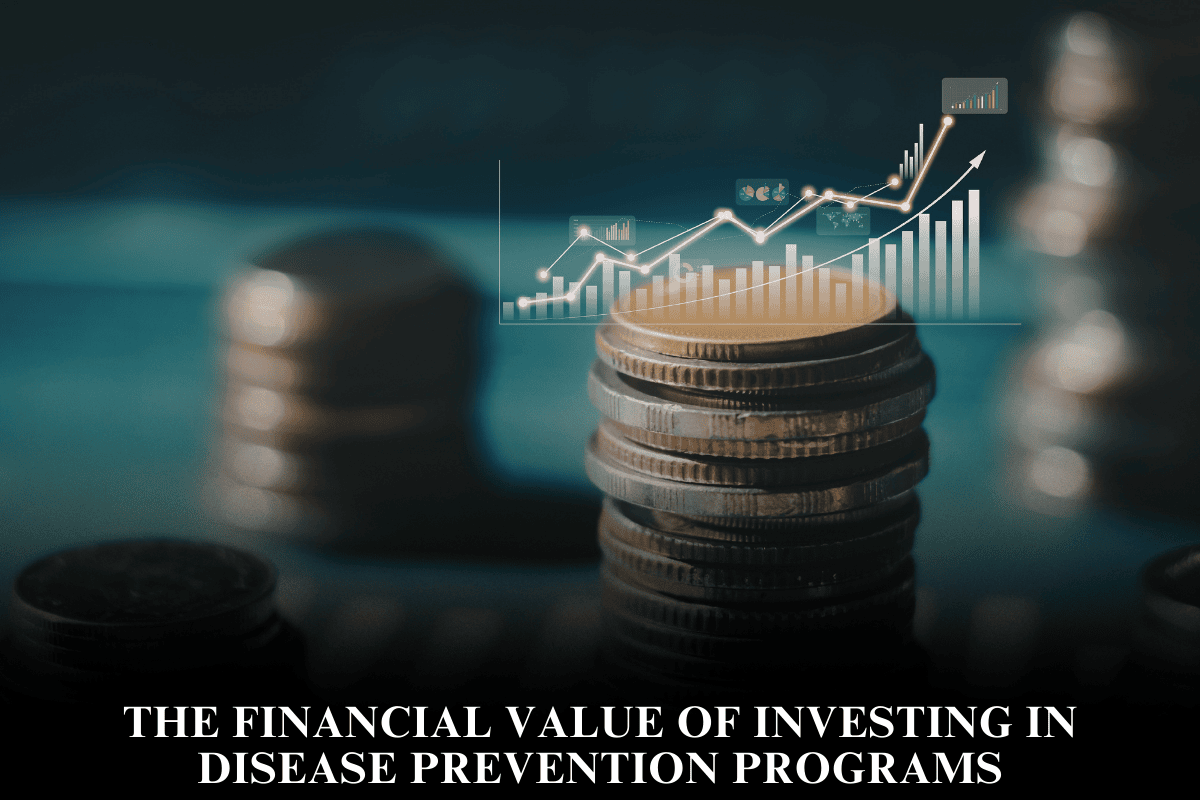
Investing in disease prevention programs yields substantial financial returns by curbing chronic illness costs, which dominate U.S. healthcare spending at 90% of the $4.9 ...
Community health awareness strategies play a vital role in saving lives by empowering populations with knowledge and resources to prevent diseases and respond to ...
Supporting preventive health policies yields significant economic benefits by reducing healthcare expenditures, boosting workforce productivity, and fostering long-term fiscal sustainability. These policies emphasize early ...
Nutrition basics revolve around consuming a variety of whole foods to meet daily needs for energy, growth, and disease prevention. The 2025-2030 US Dietary ...
Communities in the US face evolving health challenges in 2026, from AI-driven care to climate impacts and rising chronic diseases. Awareness of these trends ...
Preventive health screenings detect diseases early, often before symptoms appear, enabling timely interventions that save lives and reduce costs. In the US, guidelines from ...
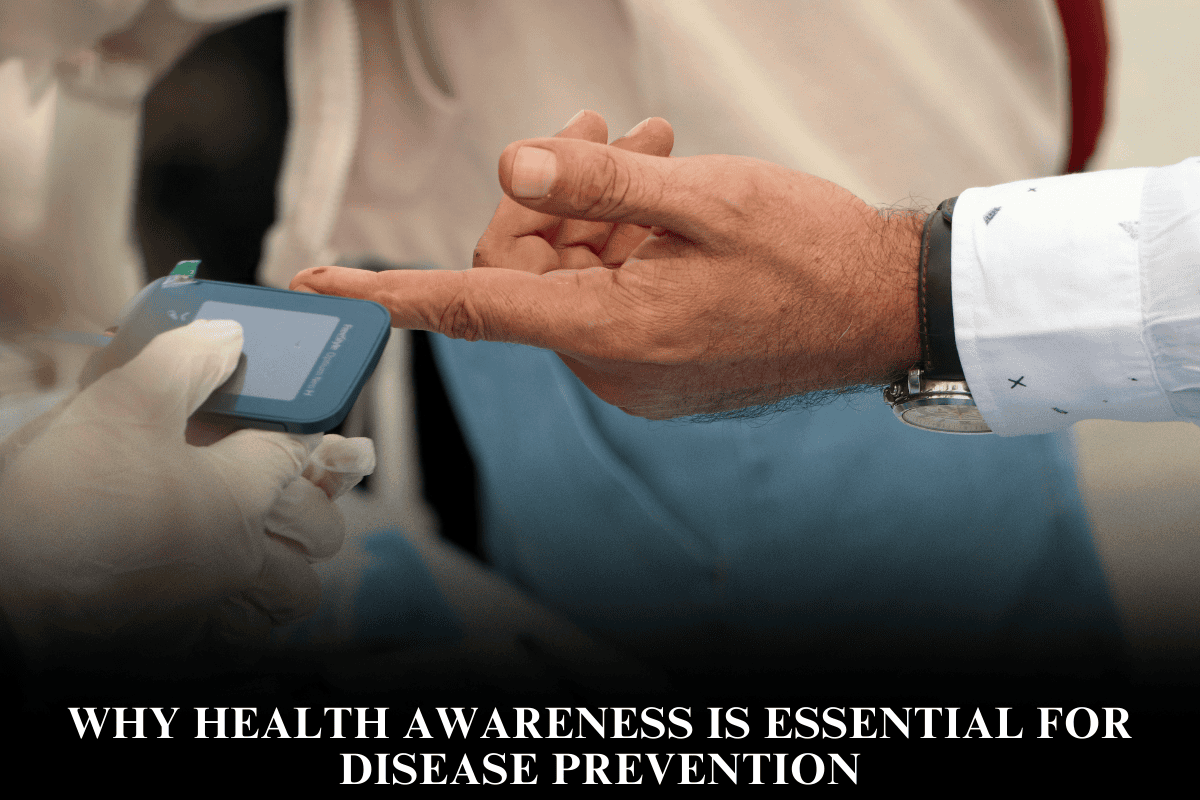
Health awareness equips individuals with knowledge to recognize risks, adopt preventive habits, and seek timely care, dramatically cutting disease rates. In the US, where ...
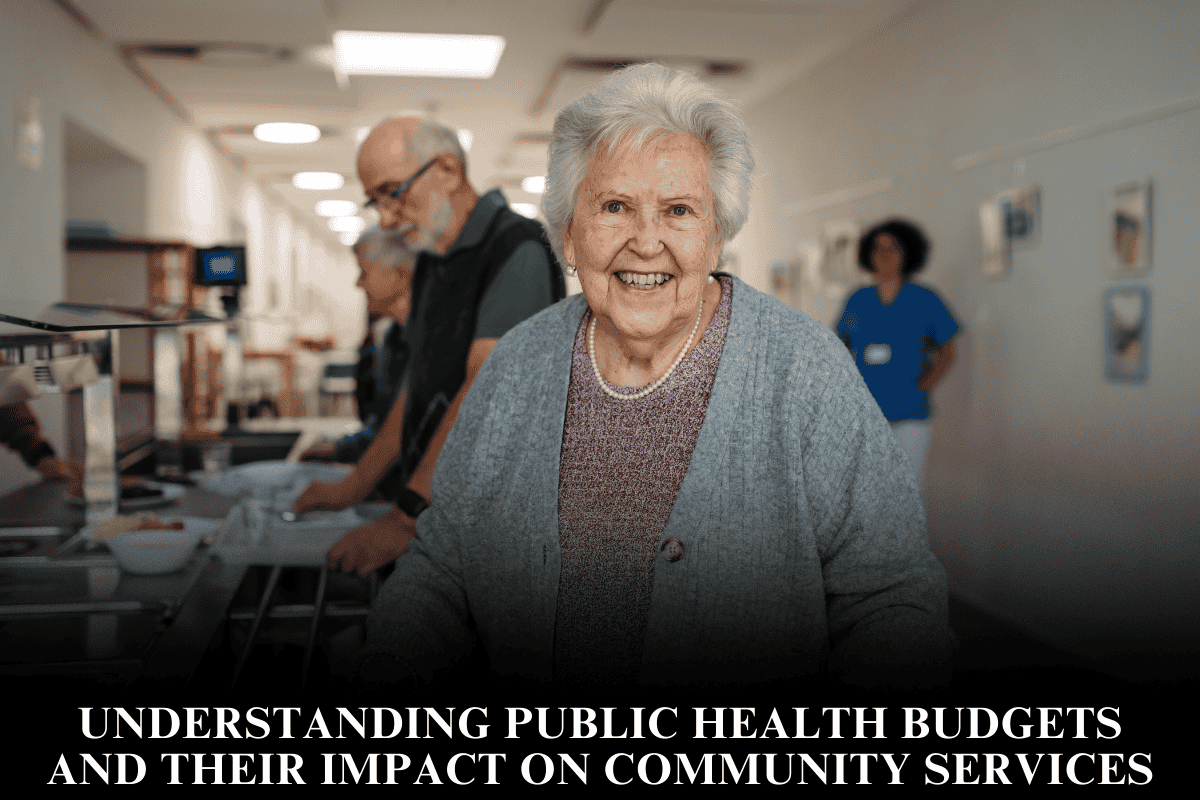
Public health budgets in the US fund essential services like vaccinations, disease surveillance, and community wellness programs. These allocations directly shape access to preventive ...
Building healthy habits forms the foundation for lifelong wellness, reducing chronic disease risk and extending quality years. Evidence shows adopting key lifestyle factors like ...
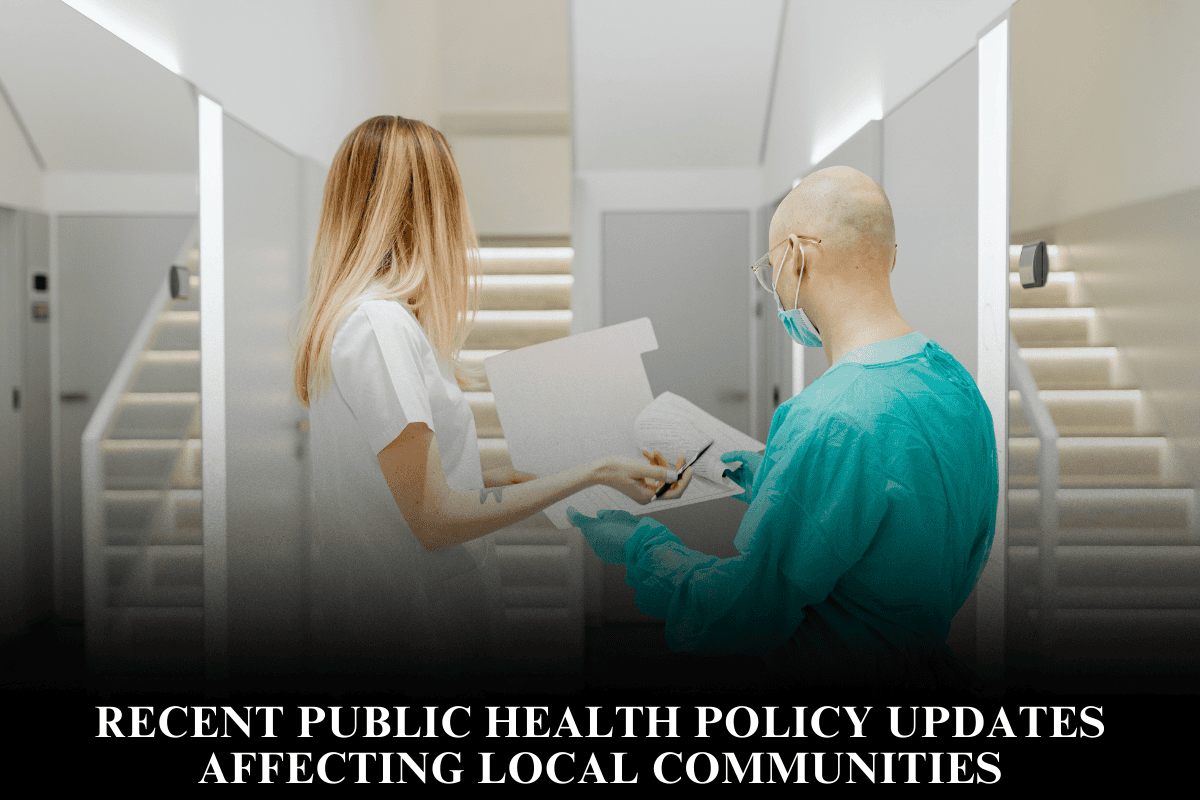
Recent public health policy updates under President Trump’s 2025 reelection and the One Big Beautiful Bill Act (OBBBA) reshape funding, eligibility, and services, profoundly ...