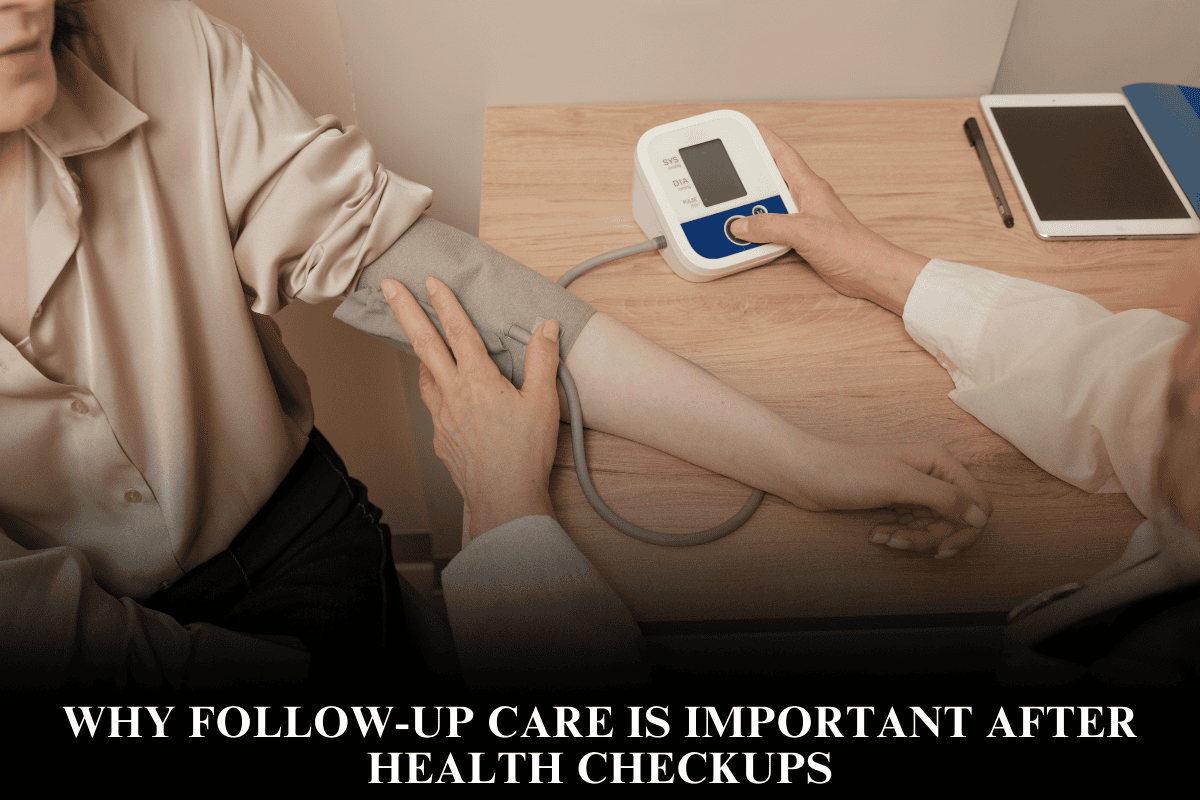
Follow-up care after health checkups bridges the gap between initial screenings and long-term wellness, catching issues early to prevent costly complications in the US healthcare system. Routine visits like annual physicals or post-test reviews ensure treatments work, empowering patients from busy urban clinics to rural practices nationwide.
US Checkup Landscape
America’s preventive care emphasis, boosted by ACA mandates, sees 70% of adults getting annual checkups, yet 30% skip follow-ups, per CDC data—leading to 20% higher chronic disease rates. These visits monitor bloodwork, BP, or mammograms, adjusting plans amid rising costs ($4.5T total in 2024). Early action averts ER trips averaging $2,500.
Key Benefits
Follow-ups deliver targeted wins:
- Early Detection: Spots rising cholesterol or prediabetes before crises; cancer survivors cut recurrence risk 25% via scheduled scans.
- Treatment Tweaks: Reviews meds for efficacy/side effects—vital for 60% on statins or BP pills.
- Progress Tracking: Confirms lifestyle changes like weight loss post-checkup stick, reducing heart events 30%.
- Patient Empowerment: Answers questions, builds adherence; telehealth follow-ups surged 38x post-COVID for convenience.
Personalized care fosters trust, with PCPs coordinating across specialists.
Common Follow-Up Types
Tailor to checkup results:
High-risk patients (e.g., over 65) need quarterly checks; apps like MyChart remind 80% to attend.
Barriers and Solutions
Skip rates hit 40% due to time, cost (though many insurers cover 100%), or oversight. Fixes: Automated texts boost attendance 25%; same-day telehealth fills gaps. Rural areas use mobile clinics; employers offer paid wellness days. Equity matters—minorities face 15% higher no-show rates without culturally attuned reminders.
Real Impacts
- Post-hospital follow-ups drop readmissions 12%, saving Medicare $1B yearly.
- Chronic care patients adherent to plans see 28% fewer complications.
- Wellness programs with built-in follow-ups yield $3 ROI per $1 spent.
From New England primaries to California urgent cares, these visits sustain health gains.
Scheduling Tips
Book at checkup end; note symptoms in journals. Prepare questions: “How’s my progress?” Virtual options suit working parents. Pair with self-monitoring (home BP cuffs, $30 at Walmart). No-shows risk gaps—reschedule promptly.
Follow-ups turn checkups into action, optimizing US health outcomes amid busy lives.
FAQs
1. How soon after checkup?
1-4 weeks for abnormals; 3-12 months routine. Docs specify based on risks.
2. Covered by insurance?
Most plans (ACA-compliant) cover 100%; Medicare pays post-hospital within 14 days.
3. Telehealth sufficient?
Yes for stable cases—38x growth proves efficacy in monitoring. Labs may need in-person.
4. Forgot to schedule?
Call same week; portals auto-remind. Prioritize if symptoms worsen.
5. Chronic illness focus?
Quarterly for diabetes/heart; tracks A1C/BP, cuts events 30%.