Daily movement habits are one of the most powerful, low‑cost ways to improve overall health, energy, and mood for adults in the U.S. Even modest activity—spread throughout the day—lowers the risk of chronic disease and helps you feel and function better.
Why daily movement matters
Regular physical activity reduces the risk of heart disease, stroke, type 2 diabetes, some cancers, depression, and premature death. Research shows a clear “dose–response” pattern: the more you move (within reason), the greater the health benefits, but even small increases from a low baseline make a big difference.
Health experts generally recommend at least 150 minutes per week of moderate‑intensity activity—such as brisk walking—plus two days of muscle‑strengthening work, but you can break this into short daily blocks that fit your routine. Simple changes like standing up more often and taking short walking breaks improve blood flow, metabolism, and energy, especially if you currently sit for long periods.
Habit 1: Walk more throughout the day
Walking is accessible, joint‑friendly, and highly effective for heart and metabolic health.
Practical daily walking habits:
- Short “movement snacks”: Take 2–5 minute walks every 30–60 minutes during the workday to break up long sitting bouts; this improves circulation and can support blood sugar control.
- Step goals: Many adults benefit from aiming for about 6,000–10,000 steps per day; higher step counts are linked to lower risk of premature death, especially below retirement age.
- Built‑in walking: Park farther away, get off public transit one stop early, walk while taking phone calls, or add a 10–15 minute walk after meals to aid digestion and glucose control.
If you are just starting, focus on consistency first—walk most days of the week, then gradually add time or speed as your fitness improves.
Habit 2: Sit less, move more often
Sedentary time is an independent health risk, even if you exercise.
Helpful anti‑sitting strategies:
- Break up sitting: Stand, stretch, or walk briefly at least once every 30 minutes when possible; even light movement improves vascular function and brain blood flow compared to uninterrupted sitting.
- Create “movement triggers”: Stand up whenever emails send, TV ads come on, or you finish a small task—associating movement with everyday cues turns it into an automatic habit.
- Use standing or dynamic options: Consider a sit‑stand desk, pacing during calls, or light chores (folding laundry, tidying) instead of scrolling on a couch.
Think of the day as a 24‑hour movement puzzle: some moderate activity, some light activity, less sitting, and enough sleep all work together to support health.
Habit 3: Strength and balance a few days a week
Muscle‑strengthening movement is essential for long‑term independence, metabolic health, and bone strength.
Approachable ways to build this in:
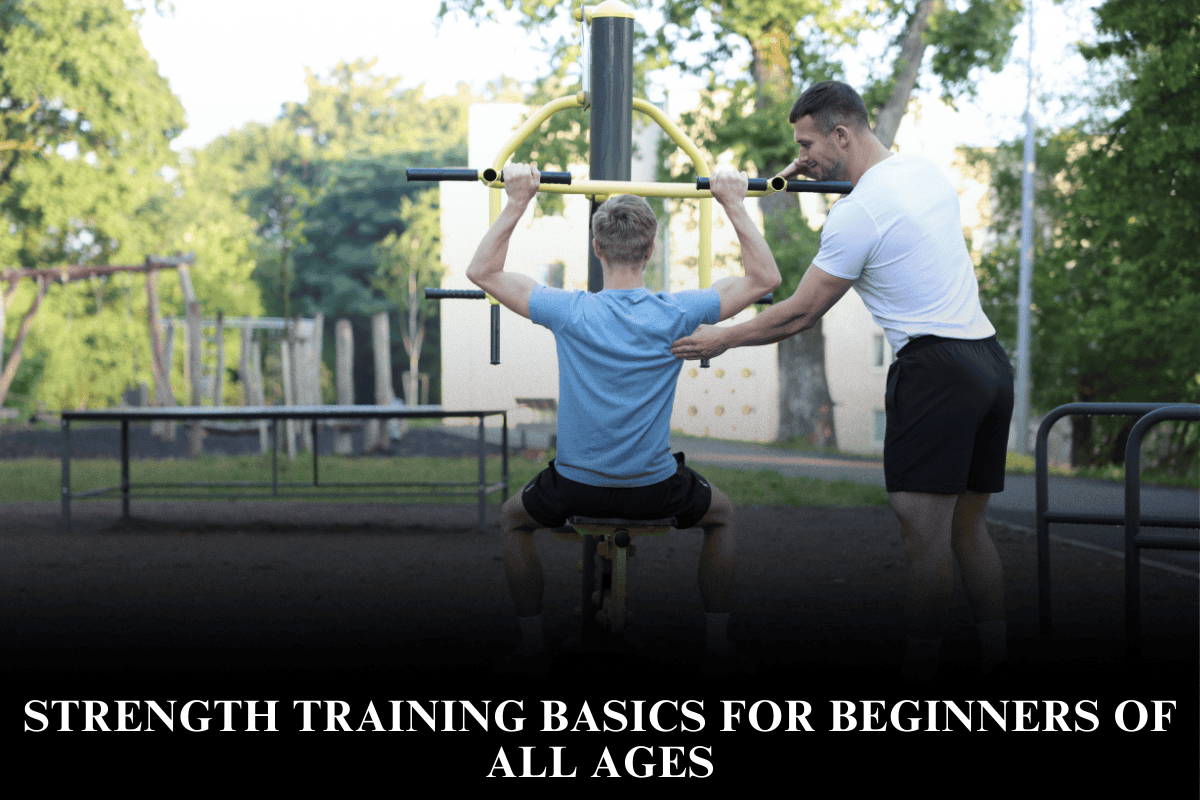
- Body‑weight moves at home: Squats to a chair, wall push‑ups, lunges, or step‑ups on stairs 2–3 days per week can improve musculoskeletal fitness and reduce fall and disability risk over time.
- Functional tasks: Carrying groceries, yard work, or lifting and stacking light items can double as strength training if done regularly and safely.
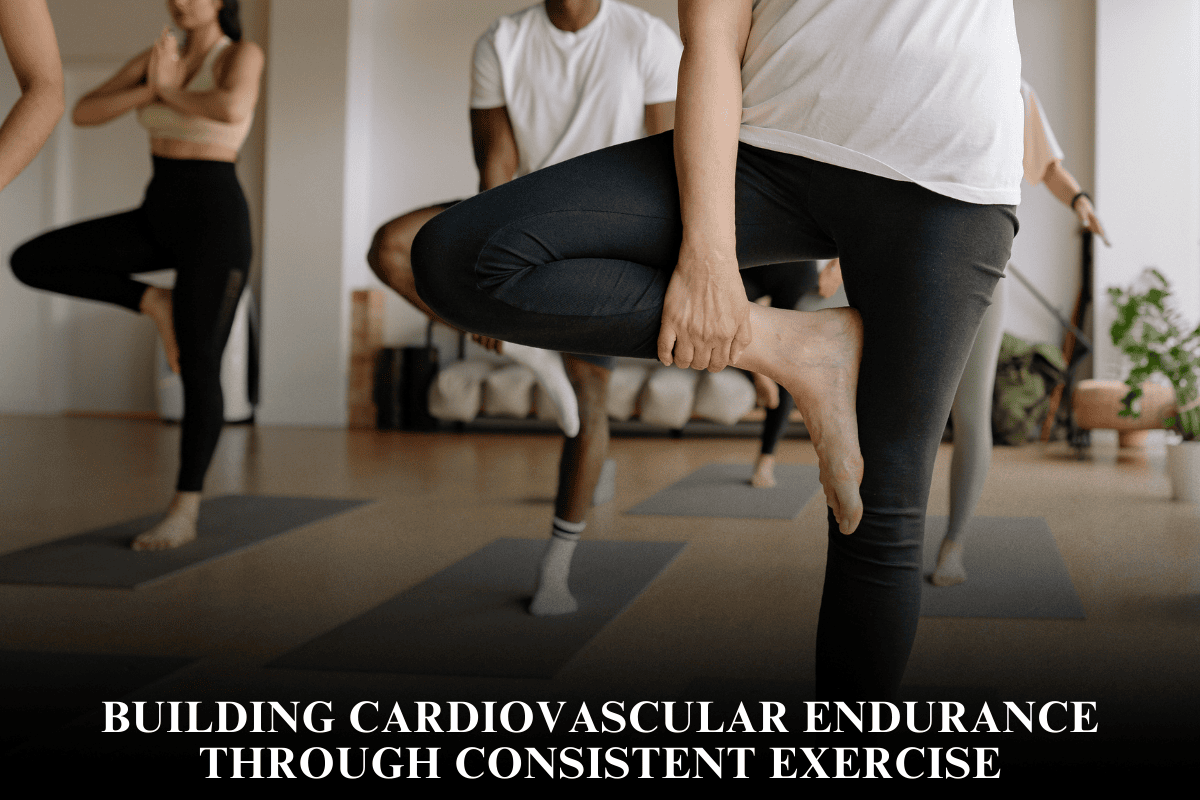
- Balance practice: Simple daily drills—like standing on one leg while brushing your teeth, or walking heel‑to‑toe in a hallway—can improve balance and reduce fall risk, especially as you age.
Aim for major muscle groups at least twice weekly and allow rest between strength days for recovery.
Habit 4: Use movement to support mood and sleep
Daily movement is a proven tool for mental health and better rest.
Useful patterns:
- Short mood resets: Even 10–20 minutes of moderate activity (like brisk walking) can lower stress and improve mood through endorphin release and better regulation of stress hormones.
- Earlier‑day activity: Moving earlier in the day—especially outdoors—helps regulate your body clock and can promote better sleep quality at night.
- Screen‑time swaps: Replacing some evening screen time with stretching, light yoga, or a gentle walk can reduce mental overstimulation and ease the transition to sleep.
People who are regularly active tend to report better thinking, learning, and memory, as well as fewer symptoms of anxiety and depression.
Habit 5: Make movement automatic and enjoyable
Habits stick best when they are easy, enjoyable, and embedded in existing routines.
Practical habit‑building tips:
- Start small and specific: For example, “I will walk 10 minutes after lunch Monday–Friday” is easier to follow than a vague intention to “exercise more.”
- Pair movement with something pleasant: Listen to music, podcasts, or audiobooks while walking, or walk with a friend or family member for accountability and social connection.
- Plan for “backup” options: Have quick indoor routines (like stair climbing, body‑weight circuits, or dance breaks) for bad weather or busy days, so you keep the streak alive.
Over time, these daily habits can add up to the recommended weekly activity levels and deliver substantial benefits in cardiovascular, metabolic, musculoskeletal, and mental health.
FAQs
1. How much movement do I really need each day to see benefits?
Health organizations suggest aiming for about 150 minutes of moderate‑intensity activity per week, which can be broken into roughly 20–30 minutes most days, plus regular breaks from sitting.
2. Can short bursts of movement actually improve my health?
Yes. Brief “movement snacks” of a few minutes, repeated over the day, improve blood pressure, blood sugar, and circulation, especially when they interrupt long sitting periods.
3. Is walking enough, or do I need intense workouts?
Walking—especially at a brisk pace—provides major health benefits and lowers disease and mortality risk; adding some strength and balance work enhances long‑term function and independence.
4. What if I have a chronic condition or haven’t exercised in years?
Most people can safely start with light, short bouts such as slow walking and gentle stretches, increasing gradually; it is wise to discuss specific plans with a healthcare professional if you have medical concerns.
5. How do I stay motivated to move every day?
Choose activities you enjoy, anchor them to daily routines (like after meals), track simple goals such as steps or minutes, and focus on how movement makes you feel—more energetic, calmer, and better rested.