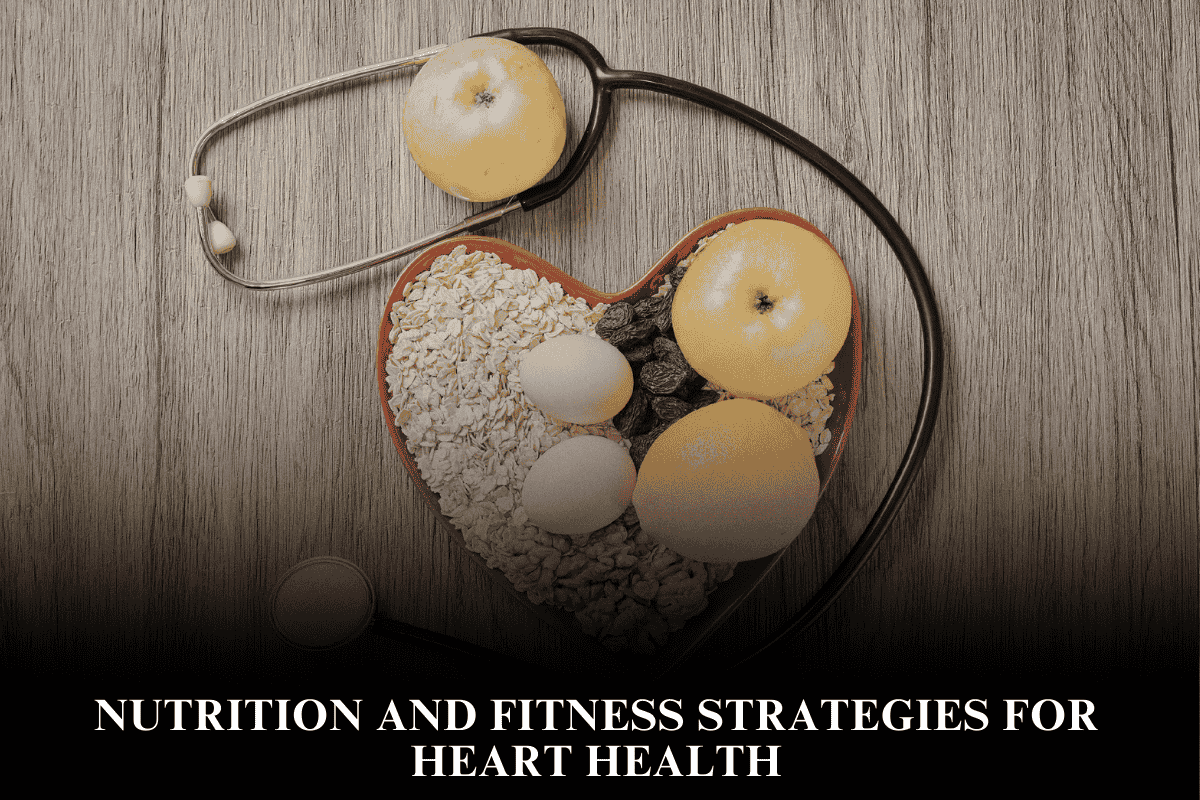
Nutrition and fitness strategies play a pivotal role in heart health, reducing risks of cardiovascular disease—the leading US killer claiming nearly 700,000 lives yearly.
The 2025-2030 Dietary Guidelines emphasize whole foods, while AHA recommendations promote balanced patterns to lower cholesterol, blood pressure, and inflammation. These US-focused approaches empower individuals to prevent heart issues through sustainable habits.
Dietary Guidelines
New HHS/USDA guidelines urge daily whole vegetables, fruits, healthy fats from nuts, seeds, avocados, seafood, eggs, and meats, plus whole grains while slashing refined carbs, added sugars, alcohol, and ultra-processed foods.
For a 2,000-calorie diet, aim for three vegetable servings, two fruits, 1.1-1.6g protein per kg body weight (81-109g for 150lbs), and three full-fat dairy without sugars. Hydrate with water or unsweetened drinks; AHA favors plant proteins, seafood, lean meats over red meat to cut saturated fats.
Heart-Healthy Eating Patterns
DASH and Mediterranean diets excel: DASH limits sodium to 2,300mg (ideally 1,500mg), boosts nuts/seeds (4-5 weekly servings), and minimizes sweets. AHA patterns prioritize fruits/veggies, whole grains, legumes, low-fat dairy, non-tropical oils like olive/canola, and minimal salt/added sugars. Limit alcohol; evidence shows these reduce heart events by 20-30% via better lipid profiles and vessel health.
Fitness Recommendations
AHA advises 150 minutes moderate aerobic activity (brisk walking, cycling) or 75 minutes vigorous (running, swimming) weekly, plus muscle-strengthening twice weekly. HIIT improves VO2 max and endothelial function; resistance training lowers blood pressure. Start slow: 30 minutes daily walking cuts risks 30%; combine with yoga for stress reduction impacting cortisol and arteries.
Integrating Nutrition and Exercise
Pair strategies: post-workout whole-food recovery with protein (eggs, nuts) and carbs (fruits) aids muscle repair and satiety. Track via apps; meal prep veggies with lean proteins sustains energy for workouts. Sleep 7-9 hours enhances metabolic benefits, amplifying adherence.
Risk Factor Management
Target BMI under 25, waist <35in women/<40in men; screenings catch hypertension (BP<120/80). Quit smoking—doubles risk; omega-3s from fish combat inflammation. 2026 updates eye high-protein dairy research for refined guidance.
US Access and Challenges
ACA covers nutrition counseling for at-risk groups; community programs like SNAP-Ed teach patterns. Barriers—food deserts, costs—affect 10% adults; policy pushes incentives for produce. Culturally adapt: soul food swaps fried for grilled.
FAQs
1. What are 2025-2030 dietary priorities?
Whole veggies/fruits, healthy fats, whole grains, proteins; limit sugars, processed foods, refined carbs.
2. How much exercise for heart health?
150min moderate or 75min vigorous aerobic weekly, plus strength training 2x.
3. Is full-fat dairy recommended?
Yes, three servings daily sans added sugars, per new guidelines.
4. Why prioritize plant proteins?
AHA links them to lower CVD risk vs. high-fat red meats.
5. Does sodium matter in DASH?
Cap at 2,300mg daily (1,500mg ideal) to drop BP significantly.