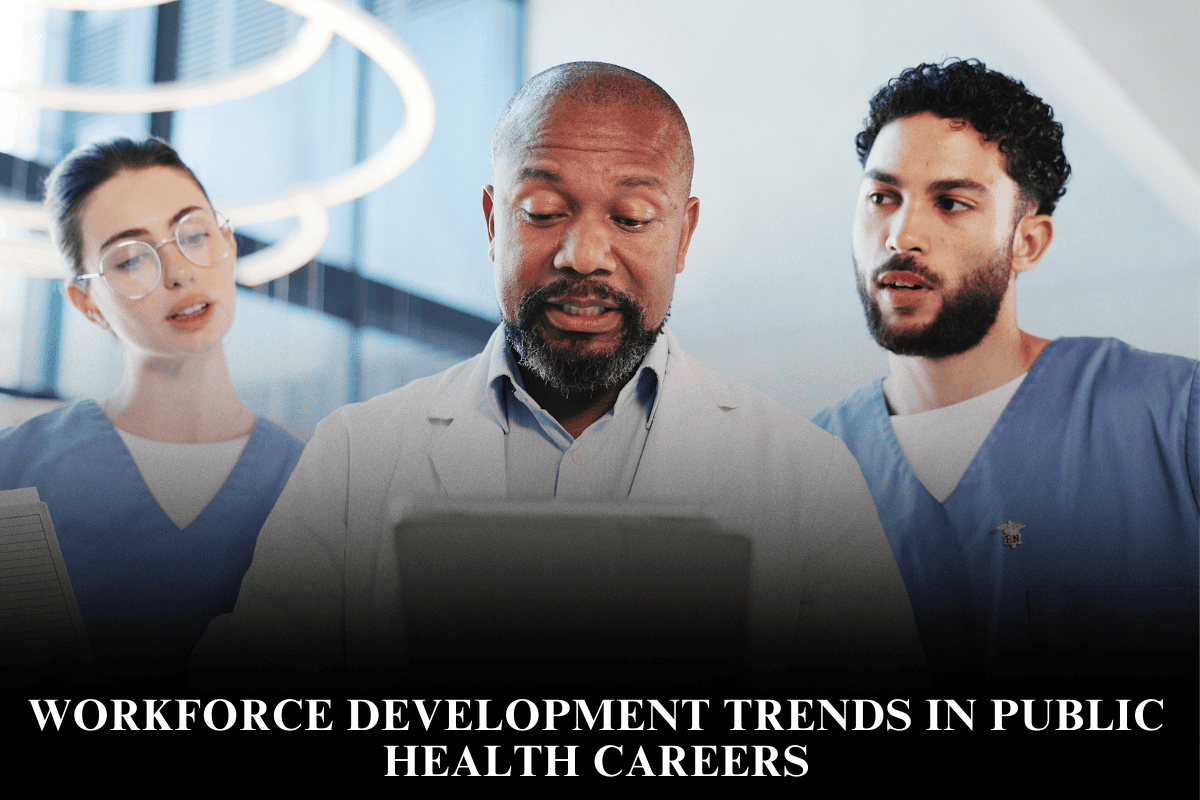
Workforce development trends in US public health careers are evolving rapidly amid shortages, with 239,000 state/local workers in 2022 and over 100,000 openings projected for 2026. Investments like CDC’s PHIG and ARP funding aim to sustain growth, diversify talent, and build skills for equity and emerging threats. This article examines key trends shaping careers from epidemiology to leadership.
Current Workforce Landscape
The public health workforce grew 15% to 239,000 by 2022, with locals (167,000) dominating, but turnover exceeds 20% across roles like epidemiologists (34%) and emergency staff (33%). Rural South faces densities as low as 65 per 100,000, while burnout and retirements create leadership gaps. Federal exits rose to 8% in 2024-2025, signaling instability despite pandemic hires.
Recruitment Innovations
Agencies reassess roles, prioritizing bioinformatics and health equity via capability audits, targeting 80% growth for core services. Diverse pipelines include HOSA for students, internships, rotations, and loan forgiveness to reflect communities (currently 60% White). Virtual job fairs and hybrid roles attract Gen Z/millennials valuing flexibility.
Training and Upskilling
CDC’s Division of Workforce Development offers fellowships, PHAP for graduates, and data-driven programs in epidemiology and economics. ASPPH’s Center advances competencies with tools for evolving threats like AI and equity. Apprenticeships, self-paced virtual training, and stipends foster lifelong learning.
Retention Strategies
PHF and accreditation plans emphasize inclusive cultures, mentorship, and performance improvement to curb attrition. Benefits personalization—mental health, hybrid work—addresses multigenerational needs, with 93% of employers prioritizing retention amid $1.3-5.1T turnover costs. Global Health Corps’ accelerators build equity-centered leaders.
Emerging Skill Demands
Trends demand digital fluency, AI integration, and team-based models; bioinformatics gaps persist post-COVID. Health equity training counters disparities, while policy roles focus on infrastructure grants’ sustainability. Projections emphasize rural staffing and behavioral health transitions.
Policy and Funding Impact
PHIG billions track via baselines, funding WDPs for accreditation. ARP’s $7.4B spurred hires, but temporary roles risk reversals without sustained investment. Leaders advocate diverse recruitment campaigns for 2026 opportunities.
FAQs
1. What’s the size of the US public health workforce?
239,000 in state/local in 2022, with 70% local; over 100,000 openings expected by 2026.
2. Which roles face highest turnover?
Epidemiologists (34%), emergency preparedness (33%), public info specialists (32%).
3. How does CDC support careers?
Fellowships, PHAP internships, training in key skills like epidemiology.
4. What skills are trending?
Bioinformatics, AI, health equity, digital fluency for future threats.
5. Why prioritize diversity?
To reflect communities, reduce disparities; current workforce 60% White despite needs.