Seasonal illnesses pose recurring public health challenges for Monmouth County, especially during fall and winter months when respiratory infections surge. As of late 2025, the county is experiencing heightened activity in common seasonal illnesses such as influenza, respiratory syncytial virus (RSV), and ongoing COVID-19 cases. This article outlines the top health concerns for Monmouth County this season and advises residents on how to stay safe and healthy.
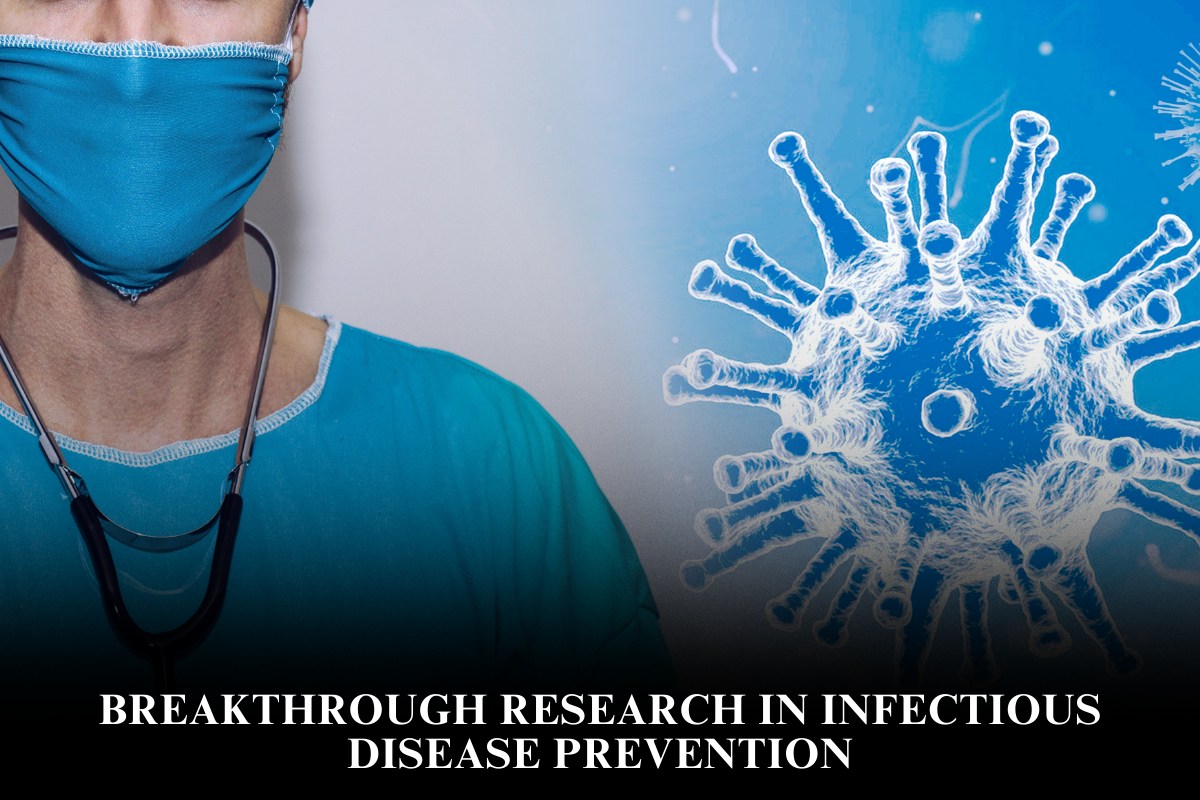
Rise in Respiratory Illnesses: Flu, RSV, and COVID-19
Monmouth County is currently seeing an increase in respiratory illnesses typical of the colder months. Influenza remains a significant concern, with hospital emergency visits for flu-related symptoms rising. The flu strains in circulation include Influenza A variants, which tend to cause more severe illness in older adults and vulnerable populations.
RSV, a highly contagious virus affecting primarily young children and the elderly, is classified as having “very high” levels in Monmouth County. Hospitals report increasing admissions for RSV, especially among young children aged 0-4 years. Symptoms such as coughing, wheezing, nasal congestion, and difficulty breathing are common indicators. Local healthcare systems are preparing for continued pressure on emergency services due to RSV and overlapping infection surges.
COVID-19 infections continue at a moderate level, with vaccinations recommended for everyone over six months old. While many experience mild symptoms due to prior immunity, the virus still poses risks for severe outcomes in immunocompromised individuals and older adults.
Other Seasonal Health Concerns
Beyond respiratory viruses, Monmouth County residents should be cautious of seasonal health risks such as colds, gastrointestinal infections, and injuries from winter weather conditions. Increased indoor gatherings and holiday travel can facilitate the spread of infectious diseases, making awareness and preventive measures more important.
Mental health declines linked to seasonal changes and stressors from illness spikes have been noted by local public health experts, who emphasize expanding community support and behavioral health resources during these months.
Preventive Steps for Residents
To mitigate the impact of seasonal illnesses, public health officials recommend the following precautions:
- Get vaccinated annually against influenza and COVID-19.
- Practice good hand hygiene and respiratory etiquette, such as covering coughs and sneezes.
- Stay home when sick to avoid spreading infections.
- Seek prompt medical care for severe respiratory symptoms, especially in infants, older adults, and those with chronic illnesses.
- Use masks in crowded indoor settings if at high risk or during outbreaks.
Monmouth University and other local institutions continue hosting flu vaccination clinics to improve community vaccine coverage.
Healthcare System Preparedness
Hospitals in Monmouth County are ranked among the safest in New Jersey and have implemented enhanced pediatric emergency care services to better respond to illness surges. However, the ongoing debate over the relocation of Monmouth Medical Center threatens to strain healthcare capacity in parts of the county.
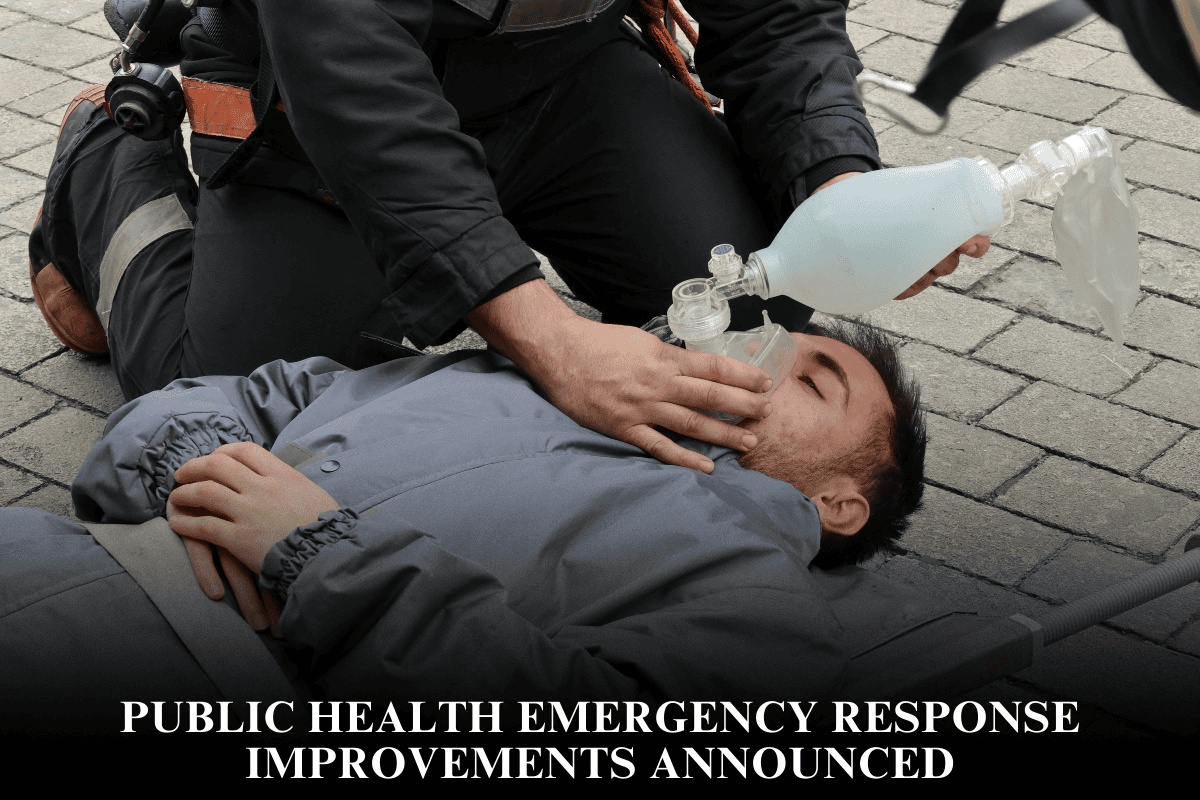
Emergency management officials recently issued a Code Blue alert to prepare for cold weather emergencies and related health impacts, urging residents to check on vulnerable neighbors.
Frequently Asked Questions
What seasonal illnesses are highest in Monmouth County this year?
Influenza, RSV, and COVID-19 are the top seasonal respiratory illnesses causing the most concern, with RSV levels classified as very high.
Who is most at risk for severe seasonal illness here?
Young children (especially under 5), older adults, and people with chronic health conditions are most vulnerable to severe complications from these illnesses.
Should I get a flu or COVID vaccine this season?
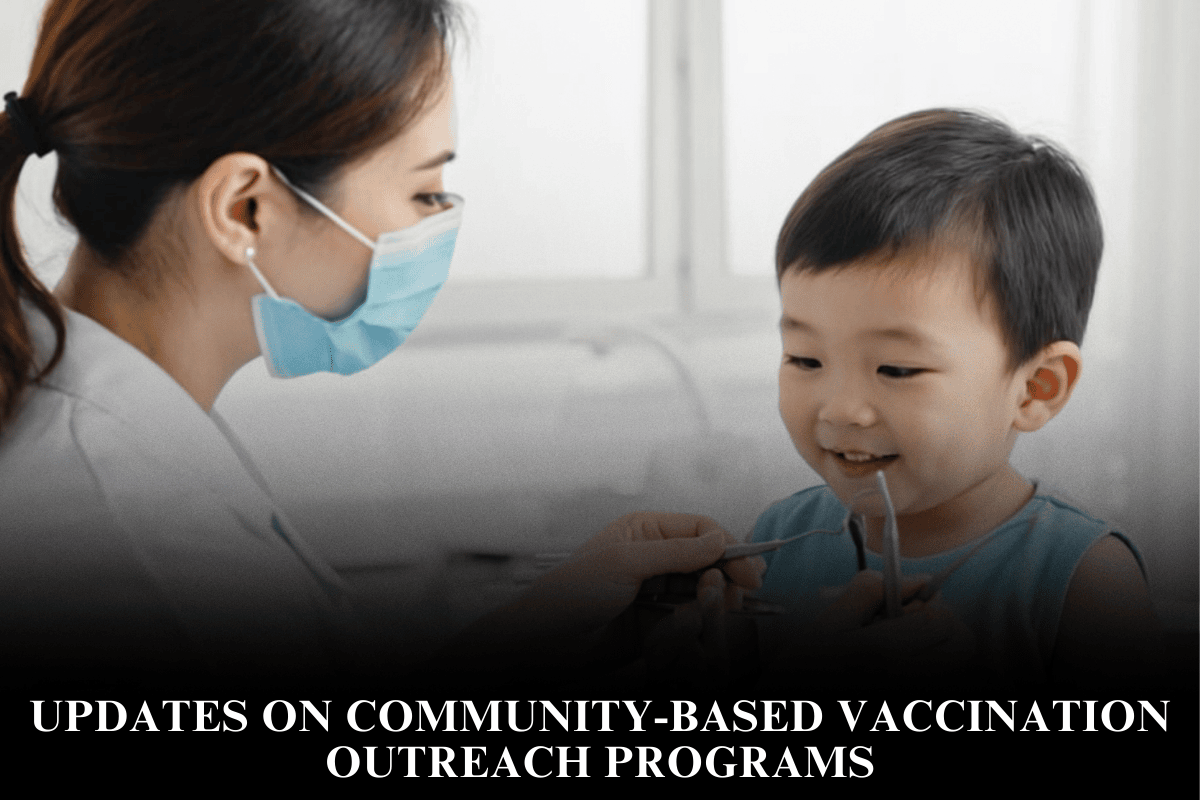
Yes, health officials recommend flu and COVID-19 vaccines for all eligible individuals to lessen disease severity and community spread.
How can I protect myself and my family?
Practice vaccination, frequent handwashing, mask use in crowded places, and stay home if sick. Promptly seek healthcare when symptoms worsen.
Are local hospitals prepared for seasonal surges?
Monmouth County hospitals have been recognized for safety and have enhanced pediatric emergency services, though some concerns remain due to hospital service changes.
Monmouth County’s seasonal illness report highlights the need for vigilance, timely prevention, and community cooperation as residents face a challenging respiratory virus season ahead. Staying informed and proactive can help reduce the health burden during these months.