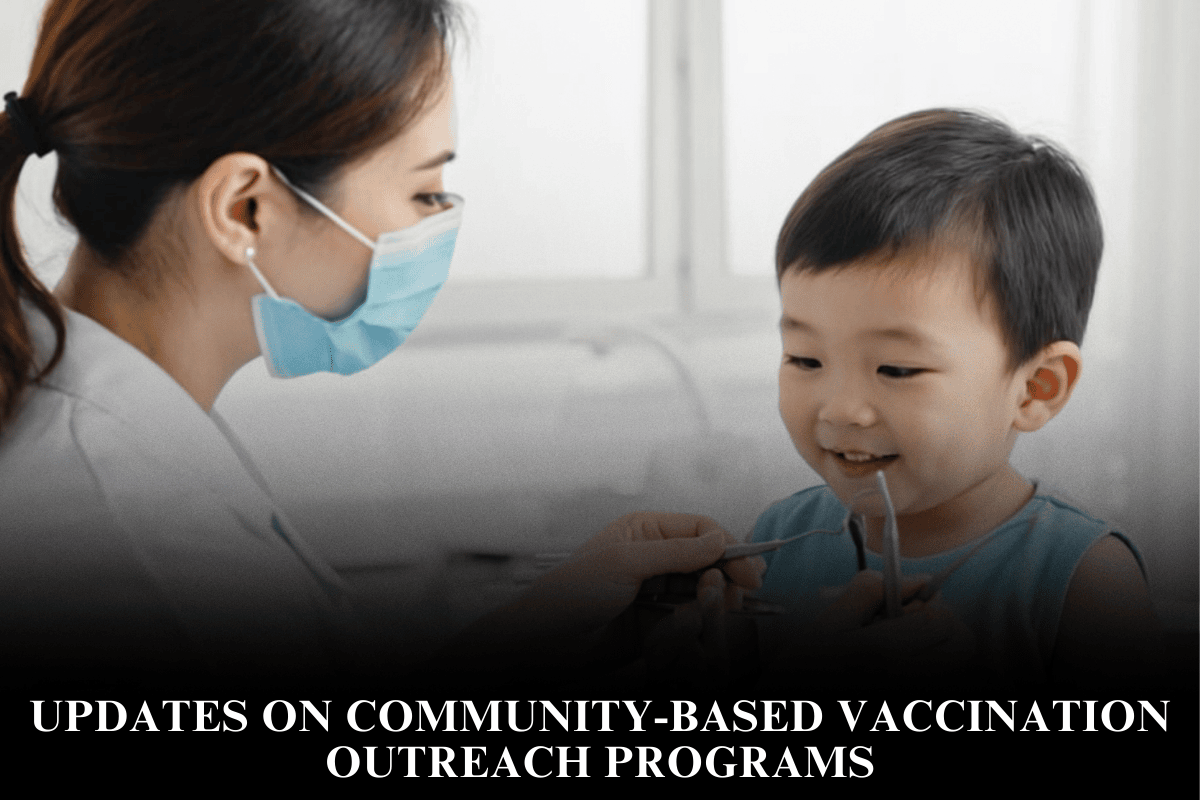
New 2026 US vaccination guidelines, overhauled by HHS under CDC direction, slash routine childhood recommendations from 17 to 11 diseases, shifting others to high-risk or shared decision-making and sparking intense public health debates.
Overview of 2026 Changes
On January 5, 2026, HHS adopted a revised childhood-adolescent schedule, aligning partially with Denmark/Japan models per Trump directive, reducing universal shots while retaining core protections like MMR, polio, DTaP, Hib, pneumococcal, HPV (single dose), and varicella.
High-risk category covers RSV, hepatitis A/B, dengue, meningococcal (MenACWY/MenB). Shared clinical decision-making applies to flu, COVID-19, rotavirus, meningococcal, hepatitis A/B—parents consult providers amid surging flu (45 states high activity, 9 pediatric deaths this season). ACIP’s June 2025 updates reaffirmed annual flu for all ≥6 months (thimerosal-free preferred for some) and chikungunya for travelers/lab workers.
Shift from Evidence-Based Process
Traditionally, ACIP’s public meetings informed schedules, crediting vaccines with averting 1.1 million deaths/2 million hospitalizations over 30 years. This overhaul bypassed full ACIP review, adopted via HHS Secretary amid no CDC Director, drawing lawsuits from AAP and criticism for lacking data transparency. Adult schedule unchanged: Annual flu/COVID shared, but core recommendations hold.
Public Health Impacts
Potential Risks
Experts warn of resurgence: Measles outbreaks already hit 2025 highs; dropping routine hep A/B/rotavirus risks 90,000+ deaths averted previously. Flu/COVID shared decisions may halve uptake (historical hesitancy data), exacerbating pediatric deaths (289 flu last season). Medicaid/CHIP reporting cuts reduce tracking for 40% of kids.
Projected Benefits Claimed
Proponents cite lower schedules abroad yield similar outcomes; aims to rebuild trust amid 2025 hesitancy (vax rates fell 5-10%). Focuses resources on high-burden diseases.
| Category | Diseases Covered | Est. Past Savings |
|---|---|---|
| Universal (11) | MMR, Polio, DTaP, Hib, Pneumo, HPV (1 dose), Varicella | 90% preventable deaths |
| High-Risk | RSV, Hep A/B, Dengue, MenACWY/B | Targeted outbreaks |
| Shared Decision | Flu, COVID, Rotavirus, etc. | Provider-family choice |
Expert Reactions and Alternatives
AAP/IDSA decry “dark day,” pledging independent guidelines since 1930s; many pediatricians follow AAP over CDC. Osterholm calls it “radical/dangerous”; ACP warns of infections/hospitalizations. States/professional orgs urged to maintain coverage; ACA mandates no-cost vaccines persist.
Broader Implications for USA
Declining rates (e.g., kindergarten MMR 93% vs. 95% herd immunity) + changes risk herd immunity loss, costing $10B+/year in outbreaks. Medicaid visibility drop hampers equity. Positively, chikungunya adds travel protection; flu reaffirmation targets surges. Global alignment may streamline but ignores US demographics/outbreak history.
Future Monitoring Needed
Track 2026-2027 rates; AAP lawsuits challenge legality. Public urged to consult providers despite shifts.
These guidelines reshape immunization amid controversy, balancing choice with outbreak risks.
Frequently Asked Questions (FAQs)
1. What vaccines remain universal for all kids?
11 core: MMR, polio, DTaP, Hib, pneumococcal, HPV (one dose), varicella—protecting against major killers.
2. What does “shared clinical decision-making” mean?
Parents/providers weigh flu/COVID/rotavirus etc. based on risk—may reduce automatic uptake.
3. Why the changes now?
HHS/Trump directive aligns with Denmark (fewer shots), addressing hesitancy post-2025 declines.
4. Will insurance still cover dropped vaccines?
ACA requires no-cost for ACIP-recommended; shared/high-risk likely covered, but confirm plans.
5. What do experts recommend?
AAP/ACIP vets urge full prior schedule; follow pediatrician, monitor outbreaks like flu/measles.