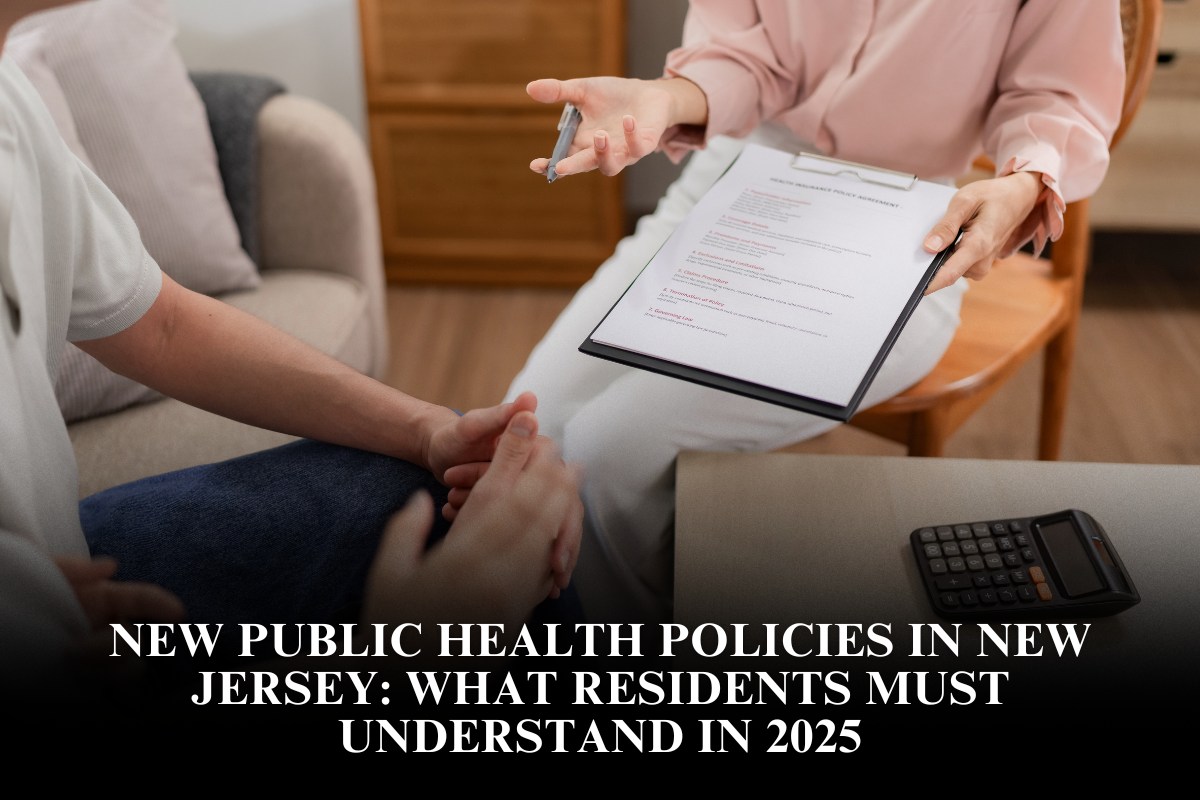
New Jersey has introduced several important public health policies in 2025 aimed at improving healthcare access, disease prevention, mental health support, and public health infrastructure. Understanding these new regulations and initiatives is crucial for residents to fully benefit from and comply with state directives. Below is an article outlining key public health policies in New Jersey for 2025.
Modernizing Public Health Infrastructure
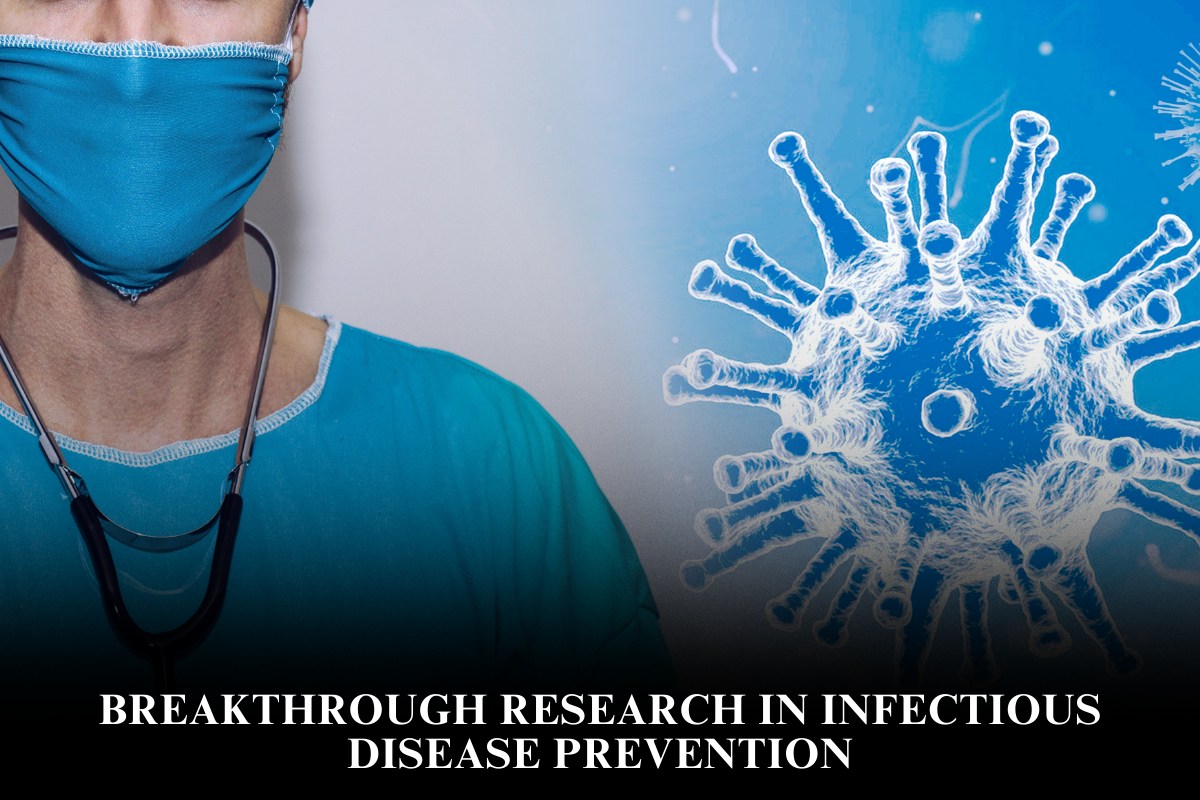
One of the landmark developments this year is the establishment of the New Jersey Public Health Institute, created to enhance collaboration between state agencies, healthcare providers, academic institutions, and private sectors. The Institute’s mission is to integrate efforts across disciplines to address complex health challenges more effectively and rapidly.
Additionally, Governor Phil Murphy proclaimed November 3, 2025, as One Health Day, emphasizing an interdisciplinary approach recognizing the interconnectedness of human, animal, plant, and environmental health. This initiative aims to strengthen preparedness and prevention of emerging health threats by fostering collaboration across veterinary, environmental, and public health sectors.
Expanded Access to Vaccinations and Disease Reporting Updates
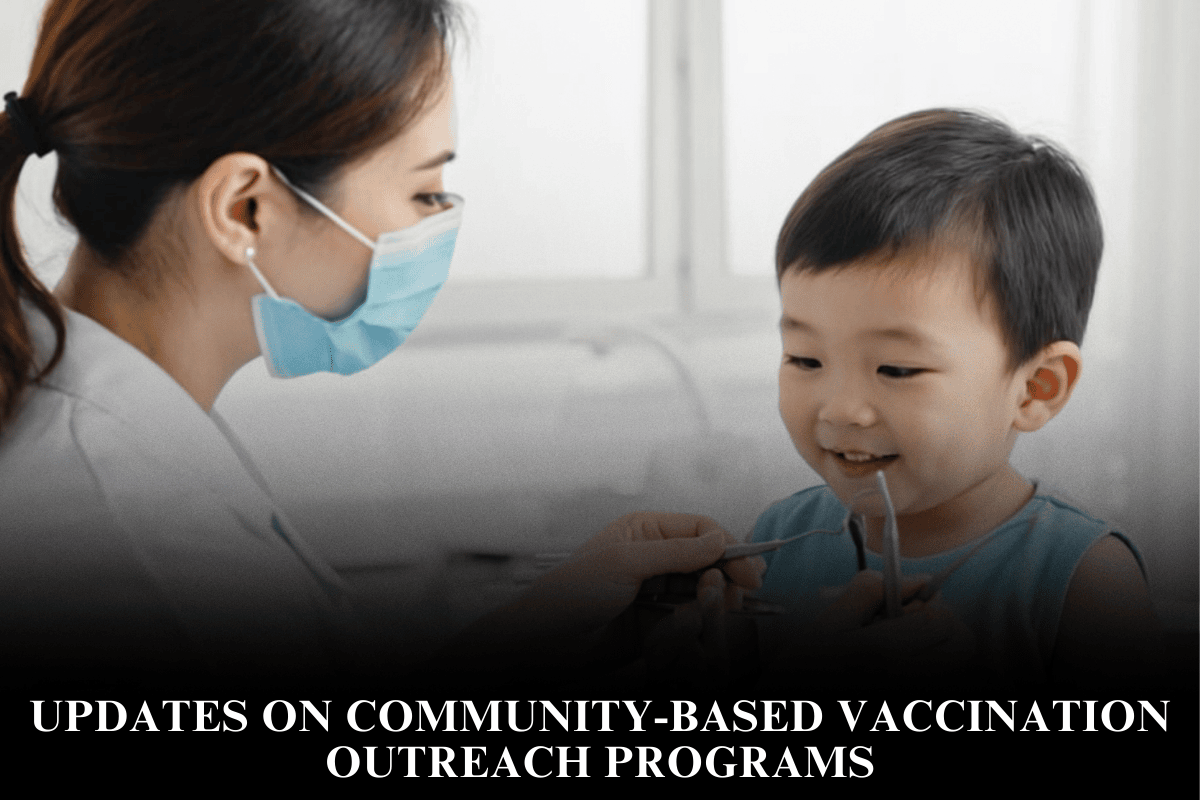
In response to ongoing respiratory illness challenges, the New Jersey Department of Health issued an Executive Directive allowing any individual aged six months and older to receive COVID-19 vaccines for the 2025-2026 season. Pharmacists have also been authorized to administer these immunizations without prescriptions, removing barriers to vaccine access.
The Department proposed revisions to Communicable Disease Reporting rules to streamline and update requirements for healthcare providers, laboratories, and veterinarians reporting cases of infectious and zoonotic diseases. This modernization facilitates timely surveillance and response during public health events.
Health Insurance Reforms and Consumer Protections
New Jersey implemented regulations requiring health insurance companies to accelerate prior authorization decisions, mandating responses within 24 hours for urgent cases and 72 hours for non-urgent requests. Approvals for long-term chronic conditions are now valid for 180 days, improving continuity of care and reducing administrative burdens.
Additionally, new mandates require coverage of biomarker cancer testing by all state-regulated health plans, including Medicaid. This testing supports precision medicine by enabling customized cancer treatment and represents a significant advancement in oncological care.
Strengthening Mental Health Supports
The state continues to expand mental health services, particularly within school systems. New Jersey mandates employing full-time behavioral health professionals—counselors, social workers, and psychologists—in all high schools, with ratios improving annually to better meet student needs. These actions address the growing concern over youth mental health.
Regulatory Updates on Harm Reduction and Scope of Practice
In line with harm reduction strategies, New Jersey adopted updated rules for Harm Reduction Centers that provide safe, stigma-free spaces for people who use drugs to access supplies like naloxone and sterile syringes. This approach helps reduce bloodborne diseases and overdose deaths.
Moreover, legislative efforts are underway to expand the scope of practice for licensed acupuncturists, allowing them to perform advanced diagnostic tests such as X-rays and hormone saliva tests, improving alternative and integrative healthcare access.
Frequently Asked Questions
What is One Health Day, and why does New Jersey observe it?
One Health Day is an international awareness campaign recognizing the link between human, animal, plant, and environmental health. New Jersey observes it to promote coordinated public health action across sectors, improving prevention of health threats.
How has New Jersey expanded access to COVID-19 vaccines for 2025?
The state allows everyone six months and older to receive the vaccine, and pharmacists can administer shots without a prescription, making vaccination more accessible.
What changes have been made to health insurance prior authorizations?
Insurers must now respond within 24 hours for urgent medical requests and 72 hours for non-urgent cases. Chronic condition approvals last 180 days, enhancing patient care continuity.
What mental health support is required in New Jersey schools?
All high schools must employ full-time behavioral health professionals with improved staffing ratios each year to better serve students’ mental health needs.
How is New Jersey improving harm reduction services?
New rules support Harm Reduction Centers that offer safe places for drug users to access overdose reversing medications and sterile equipment, aiding public health and safety.
New Jersey’s 2025 public health policies reflect a comprehensive effort to modernize infrastructure, improve healthcare access, protect consumers, and address public health challenges through collaboration and innovation. Residents are encouraged to stay informed about these changes and utilize available resources for their health and well-being.