Emergency preparedness in the US faces pivotal shifts in 2026, with tech-driven improvements clashing against deep federal budget cuts that threaten response capabilities. Recent news highlights AI integration and Next-Gen 911 advancements alongside FEMA’s proposed $646 million slash and staffing crises, underscoring the need for state-level innovation.
Budget Cuts and FEMA Overhaul
President Trump’s FY2026 budget proposes slashing FEMA’s discretionary funding by nearly $10 billion overall, including $646 million specifically, targeting “wasteful” grants like Assistance to Firefighters and SAFER while eliminating duplicates.
Acting Administrator David Richardson’s memos warn cuts could leave states vulnerable to catastrophes, undertrain firefighters, and heighten risks at ports and cities like Miami.
Staffing has plummeted one-third since January 2025, with proposals to halve personnel (12,000+ jobs), slowing disaster aid processing and shifting burdens to states ill-equipped for frequent events. Critics, including former officials, argue this mocks bipartisan post-Katrina reforms, forcing states to fund their own responses inefficiently.
Technological Advancements
Despite cuts, the emergency management market surges via AI, GIS, drones, and IoT for real-time monitoring and predictive analytics. Next-generation AI handles damage assessments, call-taking, and logistics, acting as a force multiplier if governed properly.
Next-Gen 911 (NG911) rolls out nationwide, enabling texts, videos, precise location, and cyber-resilient data sharing amid outages and hacks. Drones integrate with traffic/weather feeds for events like the 2026 World Cup, testing infrastructure for the 2028 Olympics. Cloud/hybrid platforms enhance coordination, though uneven adoption risks inequities.
Key Challenges in 2026
Public expectations demand instant updates and transparency; silence breeds distrust. Infrastructure failures—power/water outages during storms—blur response and governance lines. Cyber disruptions cascade into physical crises like hospital diversions, with unclear ownership.
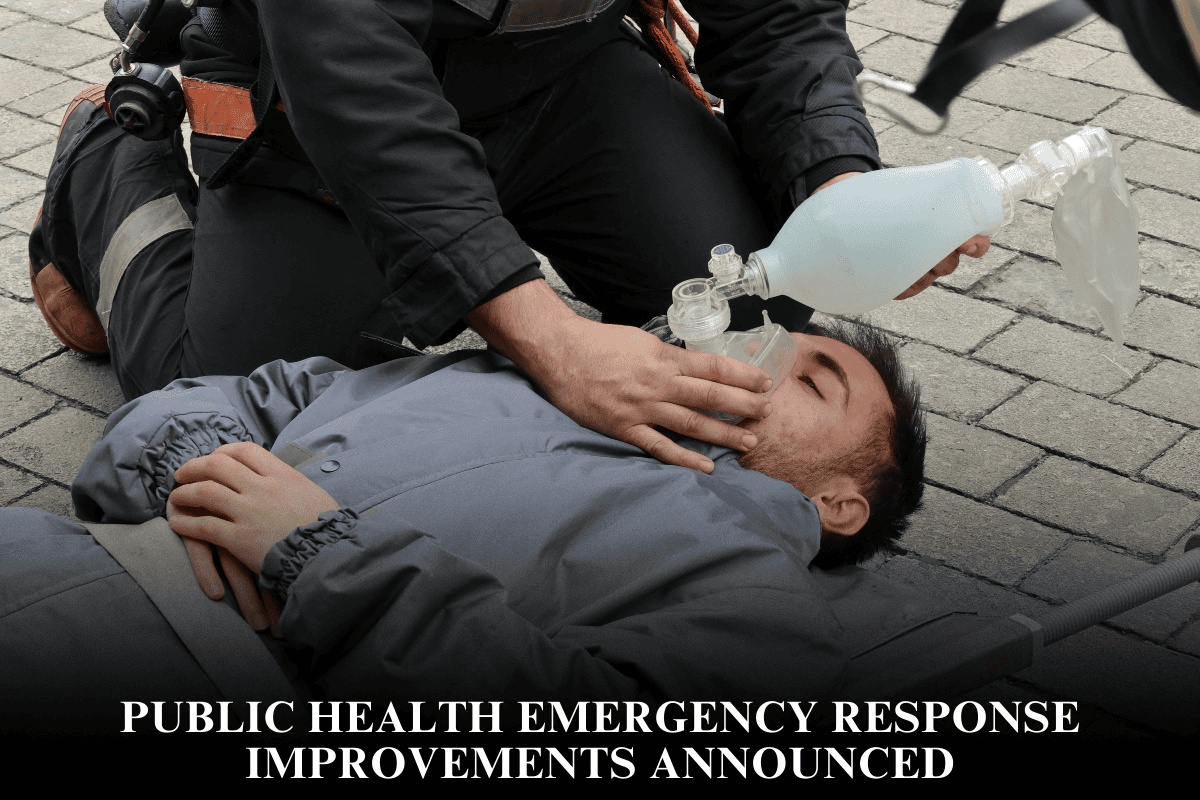
Staffing shortages plague EMS, fire, and public health; mutual aid falters as issues spread. Equity scrutiny hits response equity, from warnings to aid. Overlapping hazards (heat, floods, wildfires) make recovery-response seamless, straining baselines.
Local and State Responses
Wake County EMS plans 2026 service upgrades, reducing lights/sirens for safety. NOAA’s Disaster Preparedness Program bolsters ocean/coastal tools, training via the Mobile DRC. States prep for H.R.1 shifts in disaster aid, SNAP, with new data-sharing amid SNAP work requirements.
Legal pushback grows: MA AG seeks court enforcement against unlawful cuts. Preparedness Summit 2026 fosters collaboration. Census aids data-driven planning.
Future Trends and Improvements
Experts urge multi-hazard strategies and community resilience amid contested governance—federal accountability vs. state speed. AI governance, equity integration, and workforce plans are vital. States build drone detection, NG911 stability for cyber/weather threats.
Budget fights continue; Congress may restore funds, but refocus on core missions like prevention over “DEI webinars.” Proactive local tech adoption offsets federal gaps, enhancing overall readiness.
Path to Resilience
Prioritize transparency, equity, and tech ethics. Communities drill via NOAA training; leaders navigate politics. Despite headwinds, innovations promise faster, smarter responses if funding stabilizes.
FAQs
1. What are the main FEMA budget cuts in 2026?
$646 million slash, targeting grants like AFG/SAFER; eliminates duplicates, risks undertrained responders.
2. How does AI improve emergency response?
Supports damage assessments, forecasting, situational awareness; force multiplier with proper governance.
3. What is Next-Gen 911?
Upgraded system for texts, videos, location tracking; resilient to outages/cyberattacks.
4. Why are staffing shortages critical?
Affect EMS/fire nationwide; weakens mutual aid, sustains long operations.
5. How are states responding to cuts?
Building local IT (drones, NG911), legal challenges; NOAA training aids coasts.