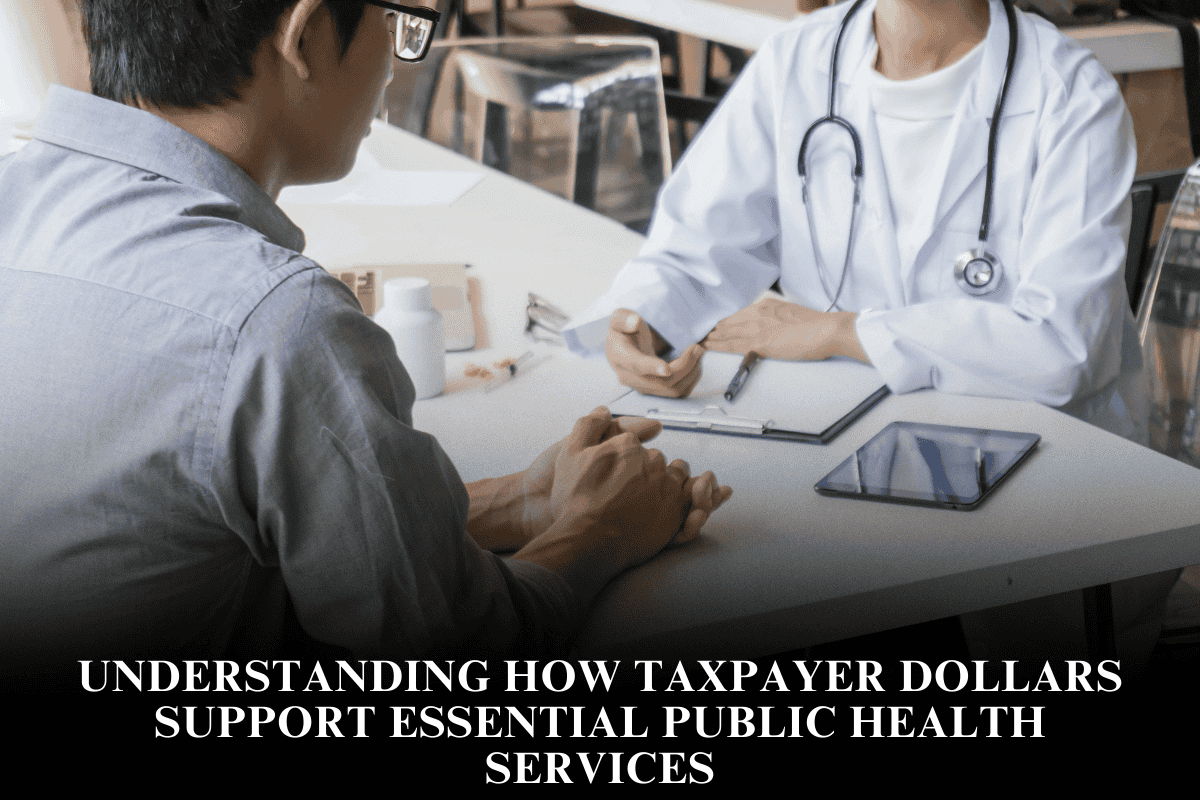
Taxpayer dollars fund critical public health services across federal, state, and local levels in the US, supporting everything from disease surveillance to clean water ...
Early detection and preventive health services significantly lower long-term healthcare expenses by addressing diseases before they advance to costly stages. These approaches shift spending ...
Local health departments (LHDs) in the USA strategically allocate public health resources through data-driven planning, community partnerships, and structured frameworks to maximize impact amid ...
Preventive care and community health programs offer Americans practical ways to control skyrocketing medical costs. By focusing on early detection and healthy lifestyles, individuals ...
Affordable financial healthcare options bridge critical gaps in health equity across the USA, enabling underserved communities to access preventive care, medications, and treatments without ...
Investing in disease prevention and health promotion yields substantial economic returns by reducing healthcare expenditures, boosting workforce productivity, and enhancing overall GDP growth in ...
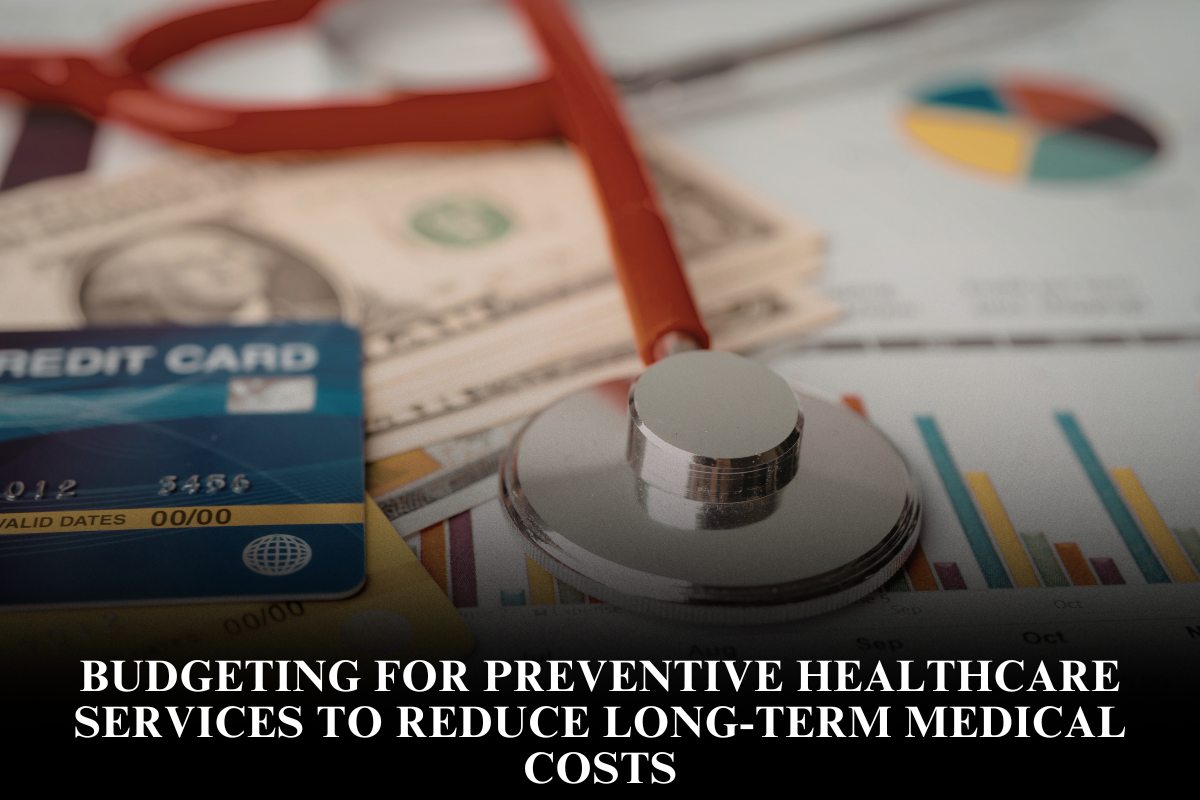
Budgeting for preventive healthcare services in the USA strategically allocates modest upfront costs to avert soaring long-term medical expenses, leveraging Affordable Care Act (ACA) ...
Public health funding in the U.S. drives economic growth by creating jobs, boosting productivity, and preventing costly outbreaks. Investments like CDC grants yield high ...
Social Security provides essential financial support to millions of Americans through retirement, disability, survivors, and supplemental income programs. In 2026, benefits see a 2.8% ...
Banking apps in the USA, such as those from Chase, Capital One, and Bank of America, offer powerful tools like automated budgeting, spending trackers, ...