Healthy communities and robust public health systems drive economic growth by cutting healthcare costs, boosting workforce productivity, and attracting businesses. Investments in prevention yield ...
Investing in disease prevention programs yields substantial financial returns by curbing chronic illness costs, which dominate U.S. healthcare spending at 90% of the $4.9 ...
Supporting preventive health policies yields significant economic benefits by reducing healthcare expenditures, boosting workforce productivity, and fostering long-term fiscal sustainability. These policies emphasize early ...
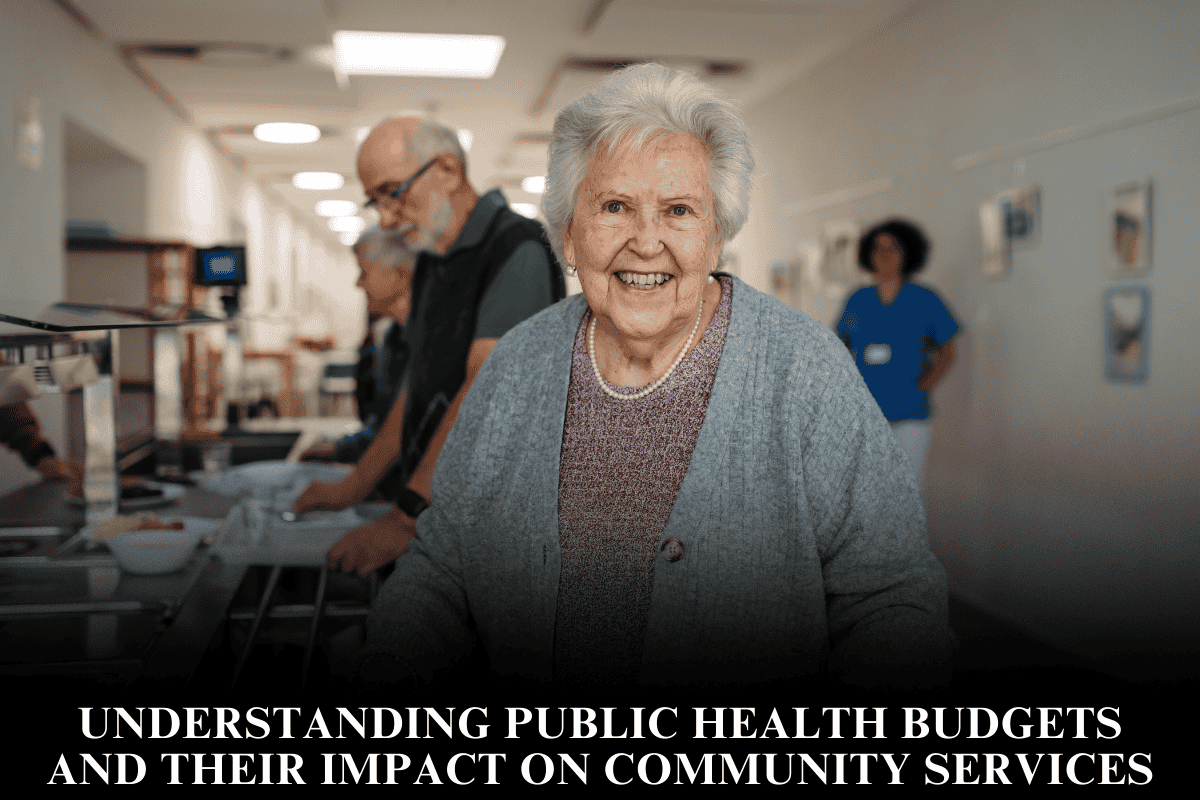
Public health budgets in the US fund essential services like vaccinations, disease surveillance, and community wellness programs. These allocations directly shape access to preventive ...
Medicaid is a vital joint federal-state program providing free or low-cost health coverage to low-income Americans, including access to essential local services like primary ...
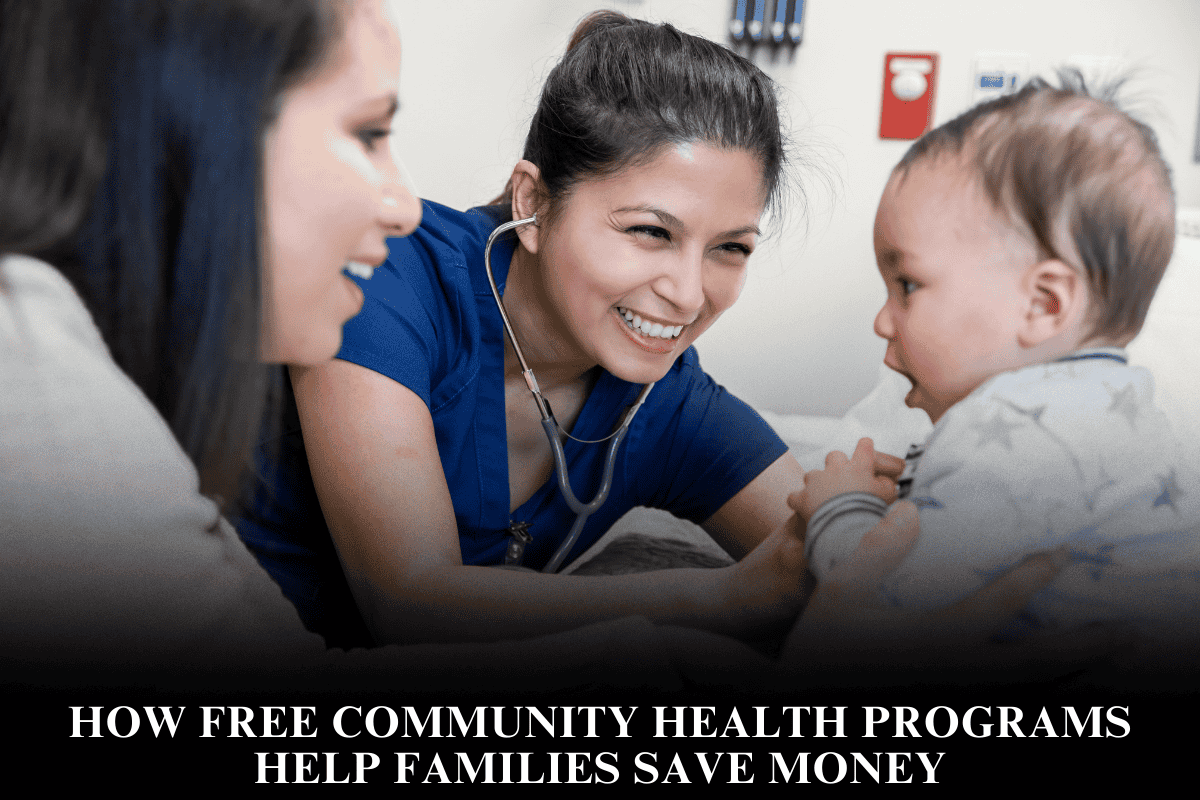
Free community health programs in the US deliver essential services at no cost, easing financial burdens for families without insurance or facing high medical ...
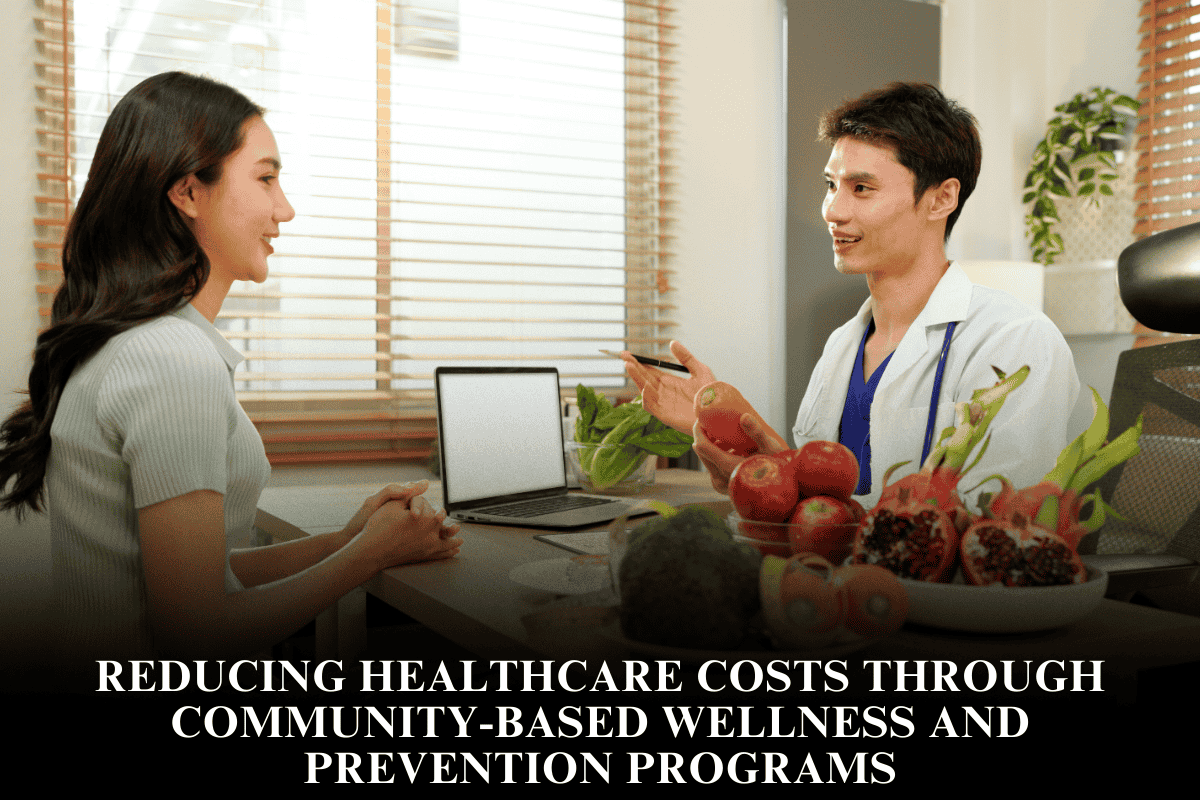
Community-based wellness and prevention programs offer a proactive strategy to curb soaring US healthcare costs, which topped $4.5 trillion in 2024, by emphasizing early ...
Investing in public health infrastructure yields massive long-term economic returns by preventing costly outbreaks, boosting workforce productivity, and cutting healthcare spending. US leaders should ...
Health insurance in the US covers preventive and public health services without cost-sharing for most plans, thanks to Affordable Care Act (ACA) mandates. These ...
Financial planning strategies that prioritize lifelong health and wellness integrate money management with physical, mental, and preventive care. These approaches reduce stress, fund healthy ...