Chronic diseases like heart disease, diabetes, and cancer drive 90% of the U.S.’s $4.9 trillion annual health care spending. Prevention efforts through lifestyle interventions ...
As America’s population ages, with over 10,000 Baby Boomers turning 65 daily, financial planning for healthcare has become critical. Rising medical costs and longevity ...
Investing in public health infrastructure is a cornerstone for sustainable economic growth, as healthier populations drive productivity and resilience. This article explores how strategic ...
Public health plays a pivotal role in cutting workforce healthcare costs by emphasizing prevention over treatment, fostering healthier employees, and minimizing absenteeism and chronic ...
Health education programs empower individuals with knowledge to prevent diseases and adopt healthy behaviors, yielding substantial financial savings for individuals, employers, and the U.S. ...
Household medical debt burdens millions of American families, with estimates showing 15-36% of households affected and total debt exceeding $220 billion as of recent ...
Early intervention in health—targeting diseases, developmental issues, or mental health at onset—dramatically cuts lifetime medical expenses by preventing costly complications. Studies show savings from ...
Environmental health protection initiatives in the US, like the Clean Air Act, deliver massive economic returns by slashing healthcare costs and boosting productivity, far ...
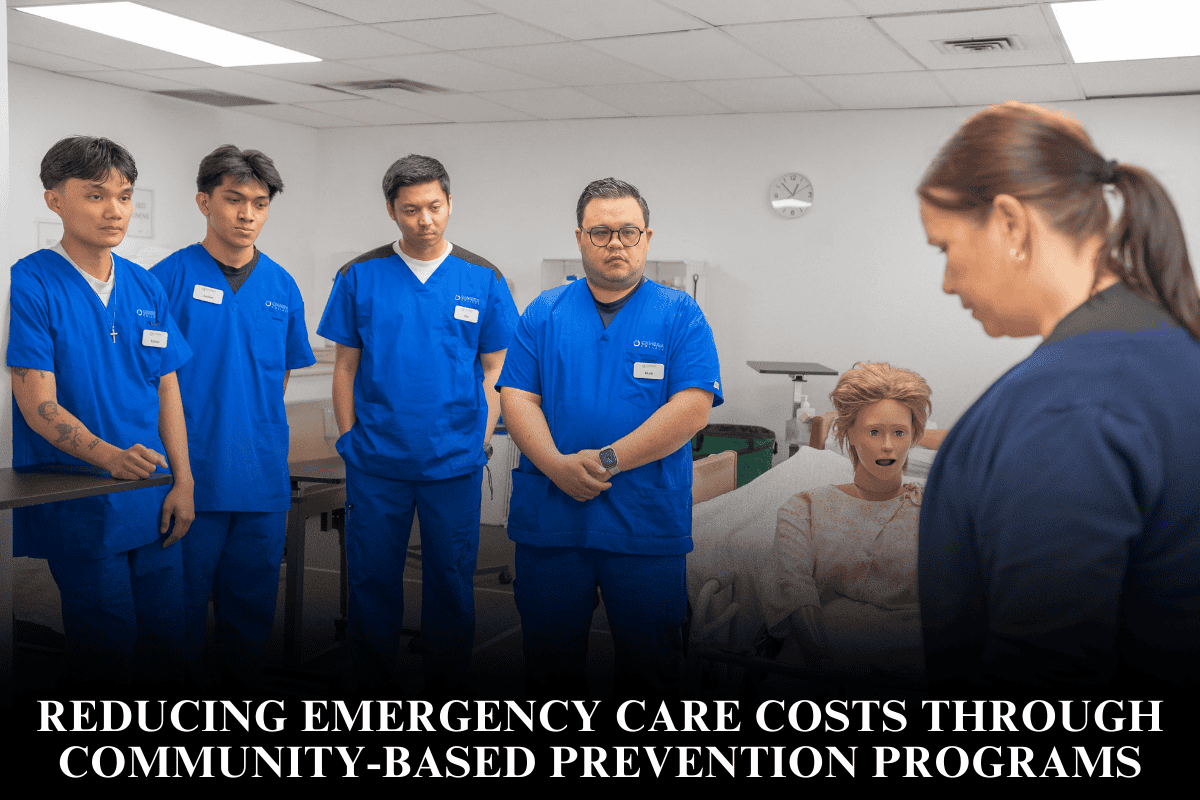
Community-based prevention programs offer a proven strategy to lower emergency care costs in the U.S. by addressing health issues before they escalate to costly ...
Smart health decisions save money now and prevent costly medical bills later. Adopting affordable habits builds both physical resilience and financial security for Americans ...