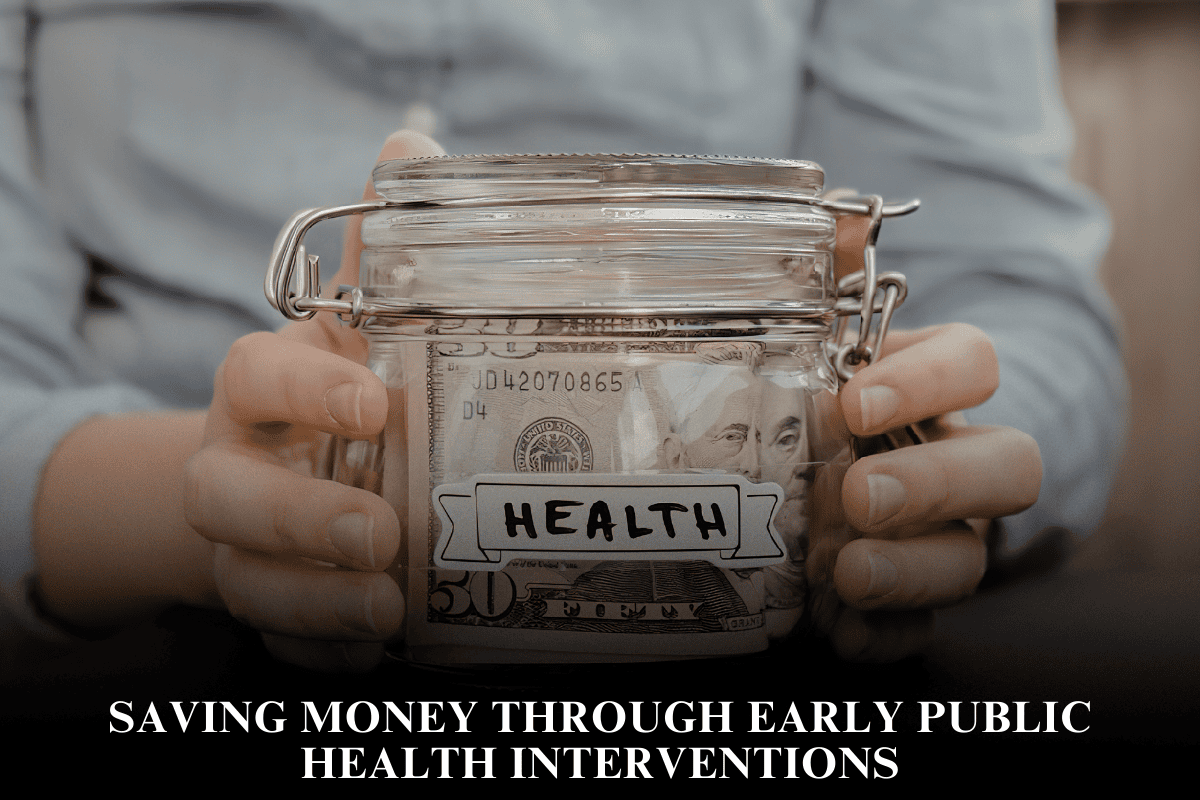
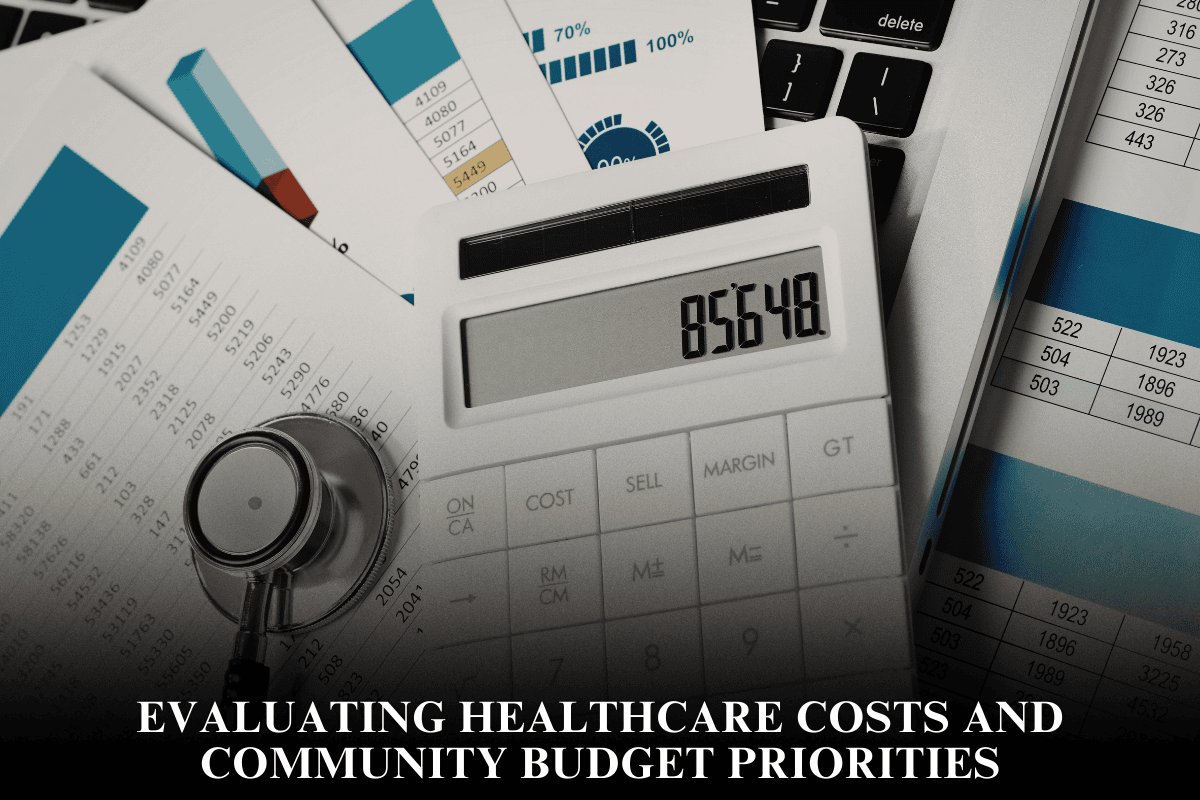
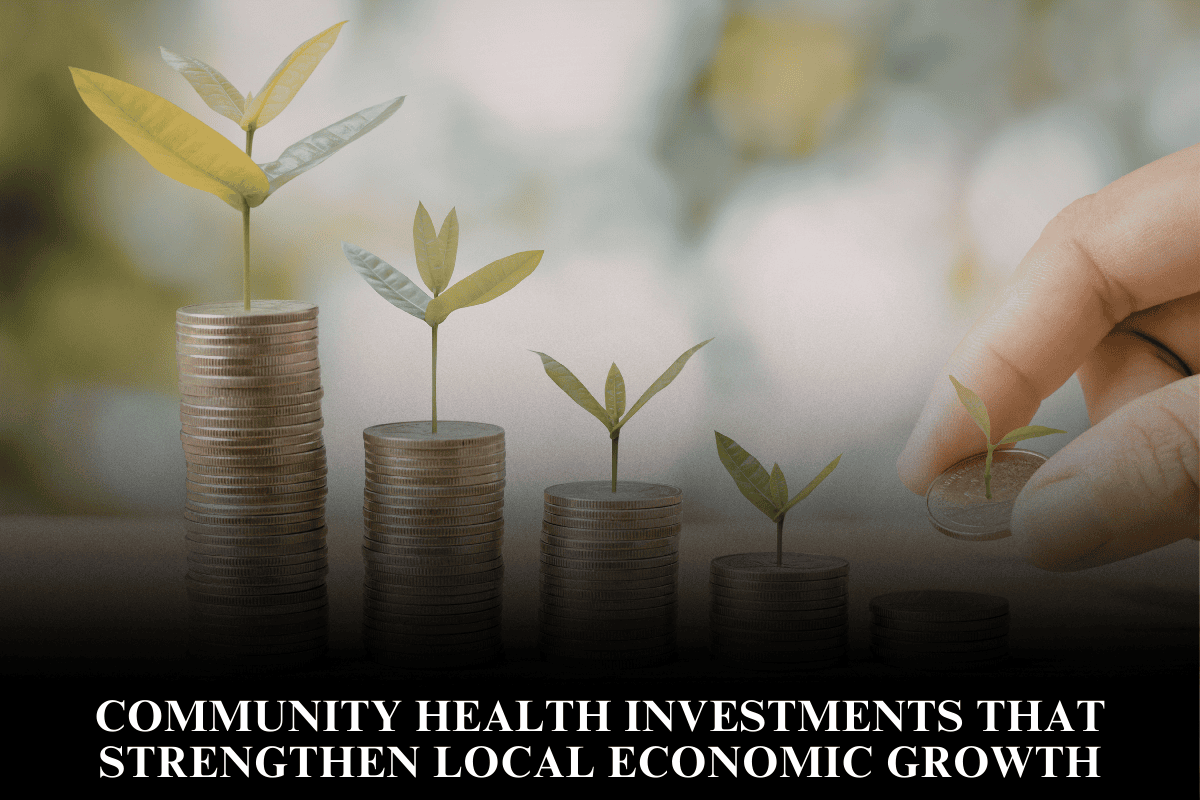
Investing in disease prevention and health promotion yields substantial economic returns by reducing healthcare expenditures, boosting workforce productivity, and enhancing overall GDP growth in the United States.
Chronic diseases like heart disease, diabetes, and cancer account for 90% of the nation’s $4.9 trillion annual health spending, with prevention strategies offering returns as high as 6:1 on investment. These efforts shift resources from costly treatments to proactive measures, benefiting individuals, businesses, and the economy.
Reduction in Healthcare Costs
Prevention programs significantly lower direct medical expenses by averting chronic conditions before they develop. A $10 per capita investment in community prevention saves $2.8 billion short-term and up to $18 billion over 10-20 years, achieving a 2:1 to 6:1 return. Chronic illnesses drive 75% of U.S. health spending, with models projecting $1.1 trillion in savings by 2023 through interventions targeting tobacco, obesity, and immunizations.
Clinical preventive services, such as screenings and vaccinations, prevent costly complications; for every HIV case avoided, $355,000 in lifetime treatment costs disappear. The Affordable Care Act expanded free preventive coverage, reducing out-of-pocket burdens and hospital admissions by 27% in targeted scenarios. Businesses save on insurance premiums, with workplace wellness yielding $3-$6 per dollar spent.
Boost to Workforce Productivity
Healthier populations work more effectively, minimizing absenteeism and presenteeism losses exceeding $1 trillion yearly from preventable diseases. Reducing heart disease and cancer could add trillions to economic output over decades, as fewer sick days translate to sustained labor participation. ALICE households—asset-limited but employed—gain stability, with prevention cutting productivity drags by $905 billion in optimistic models.
Employers benefit directly: small business wellness grants under the ACA lower turnover and disability claims. A healthier workforce supports innovation, with Deloitte estimating $763 billion in corporate profits from health equity investments by 2040. Public health measures like flu shots prevent widespread outbreaks, preserving economic momentum during peaks.
GDP Growth and Long-Term Savings
Addressing preventable diseases could add $2.8 trillion—or 9.5%—to U.S. GDP by 2040 through equitable health strategies. Chronic conditions claim 7 of 10 deaths and burden GDP via indirect costs like premature mortality. Prevention averts 27% of healthcare spending ($730 billion in 2016 alone), freeing capital for infrastructure and education.
State-level grants for behavioral incentives yield compounding returns, with tobacco taxes funding cessation programs that slash long-term costs. Healthy People 2030 ties economic stability to health access, noting poverty’s role in disease cycles. Investments in community prevention outperform reactive care, enhancing fiscal resilience amid aging demographics.
Broader Societal and Business Impacts
Prevention fosters equity, narrowing disparities that cost businesses via higher premiums and lost talent. U.S. health spending at 17-18% of GDP dwarfs OECD averages, yet yields poorer outcomes—prevention realigns this inefficiency. Small businesses gain from wellness reimbursements, while states leverage Medicaid incentives for population health.
Global comparisons underscore urgency: nations prioritizing prevention enjoy lower per-capita costs and longer lifespans. U.S. models confirm 5-20 year timelines for prevalence drops in cancers and COPD via targeted efforts.
Challenges and Implementation Strategies
Upfront costs deter adoption, but ROI materializes quickly—short-term savings from immunizations, medium-term from lifestyle shifts. Policy tools like tobacco taxes and ACA expansions demonstrate scalability. Employers should integrate screenings; communities fund parks and nutrition programs. Metrics from IOM emphasize productivity’s outsized role in valuations.
Sustained funding via public-private partnerships maximizes impact, as seen in reduced chronic burdens post-intervention.
Future Outlook
As chronic disease prevalence rises 42% absent action, prevention investments promise $4.2 trillion in averted costs by 2023 baselines. Deloitte’s 2040 projections signal transformative growth, urging accelerated commitments amid fiscal pressures.
FAQs
Q. What ROI can prevention yield?
2:1 short-term, up to 6:1 long-term per $10 per capita community spending.
Q. How much do chronic diseases cost the U.S.?
$4.9 trillion yearly, 90% of health expenditures.
Q. Does prevention boost GDP?
Yes, up to $2.8 trillion or 9.5% by 2040 via equity focus.
Q. What productivity gains occur?
Over $1 trillion saved annually from reduced absenteeism.
Q. Which diseases benefit most?
Heart disease, cancer, diabetes—75% of spending, 70% of deaths.