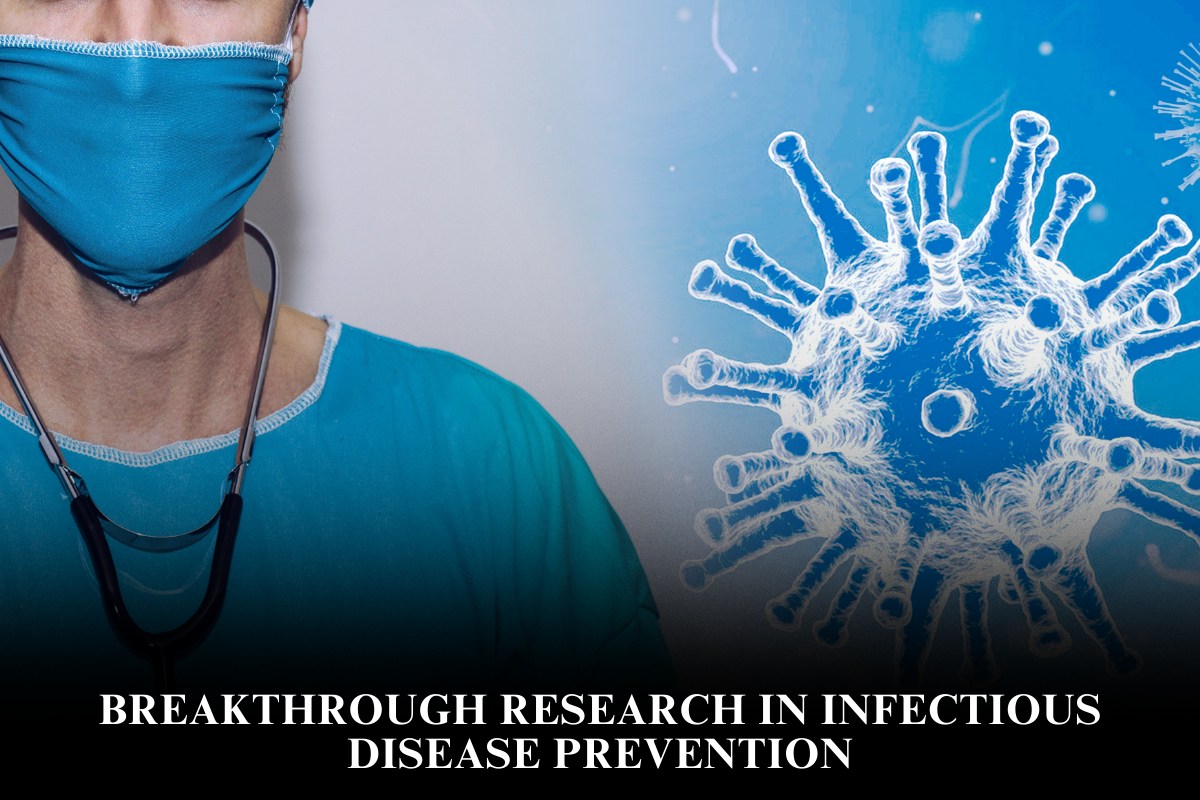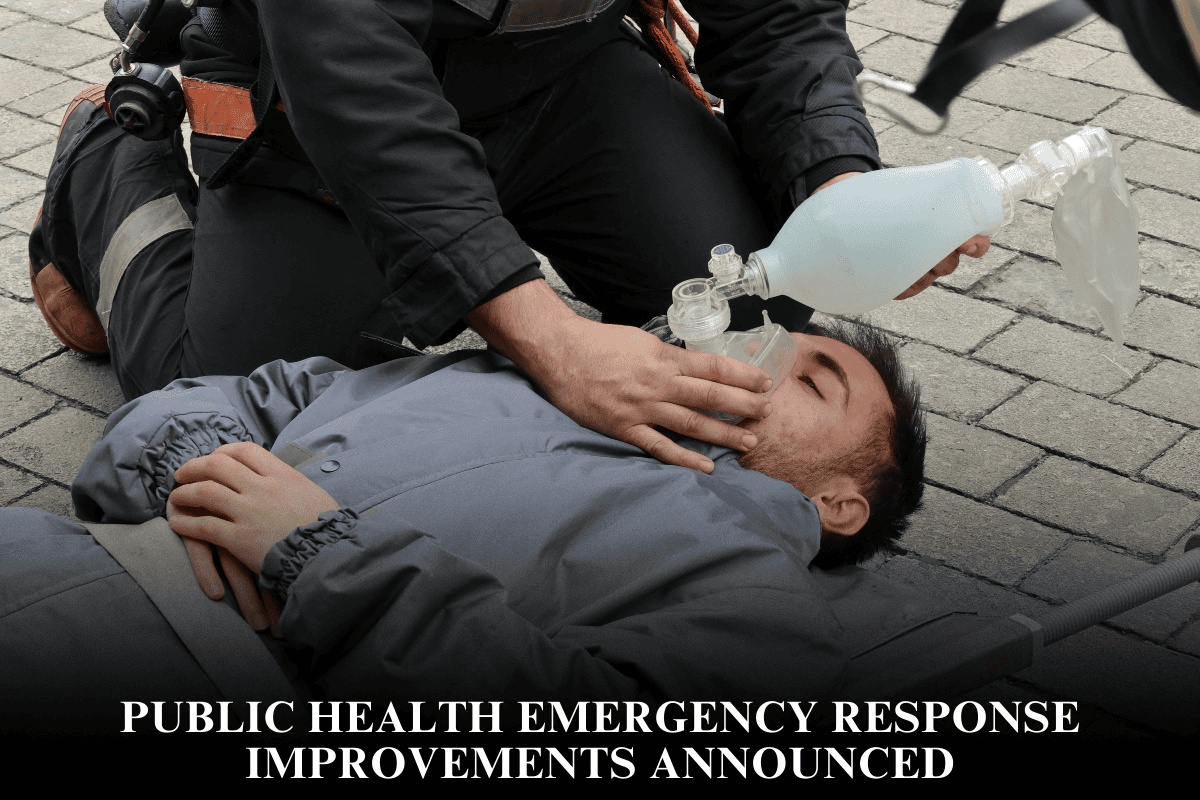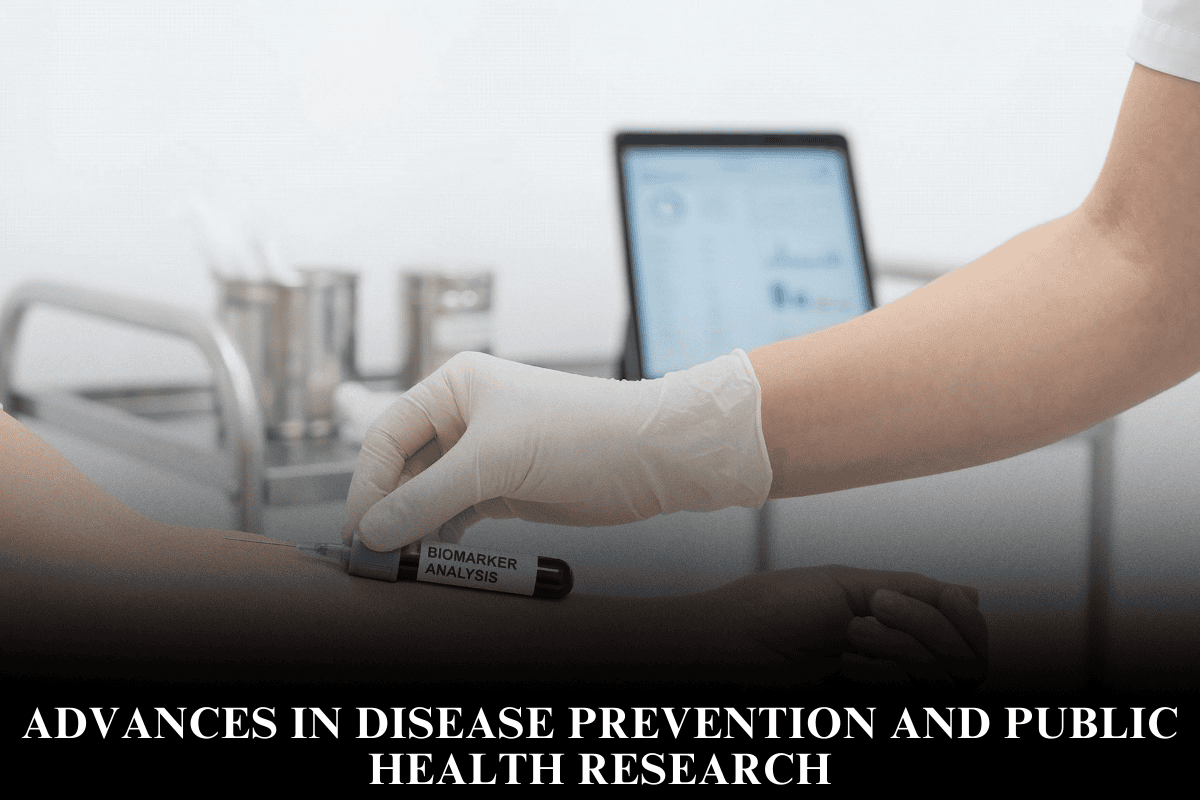
US public health research has accelerated disease prevention through breakthroughs like RSV vaccines, AI predictive tools, and wastewater surveillance, slashing infection rates and enabling early interventions. These 2025 innovations, from CDC and NIH, promise healthier futures amid ongoing threats like pandemics and chronic diseases.
Vaccine Frontiers
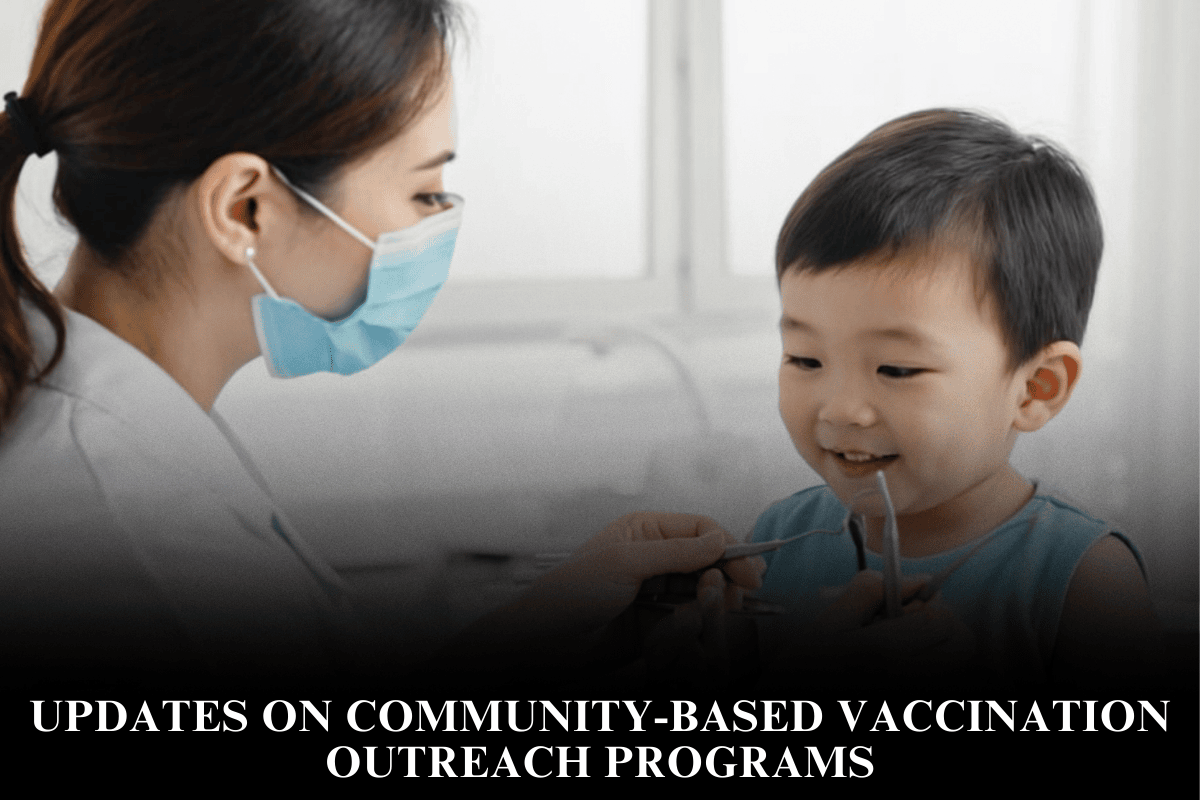
RSV vaccines mark a milestone: FDA-approved shots for adults over 60 and maternal doses protect infants, averting thousands of hospitalizations yearly. Microneedle patches for measles-rubella, trialed successfully in 2024, ease delivery for kids, with trials expanding to hepatitis B and rotavirus in 2025-2026.
Nipah virus vaccines enter late preclinical stages via CDC-NIH collaboration. Personalized boosters, informed by genomics, target vulnerabilities like HLA markers for drug allergies.
AI and Precision Prevention
AI analyzes genetics, lifestyles, and wearables to predict risks with 94% lung cancer accuracy, outperforming scans. Algorithms flag dementia or diabetes early, tailoring diets or meds via apps.
Genomic tools identify breast cancer susceptibility, enabling preemptive screenings. FGFR2 inhibitors halt early pancreatic cells in mice, eyeing human trials for this deadly cancer.<grok:render type=”render_inline_citation”>
<argument name=”citation_id”>65</argument>
</grok:render>
Surveillance Innovations
Wastewater networks detect pathogens pre-symptoms, guiding CDC responses. Gene sequencing IDs mutations swiftly; IoT and social media feed real-time dashboards for outbreaks.
Guinea worm tests spot infections months early, aiding eradication. Dengue control deploys modified mosquitoes safely.
Chronic and Infectious Wins
Social innovations empower communities via novel policies and tech for epidemic control. Precision public health uses big data for targeted interventions, cutting health disparities.
Brain-computer interfaces and rare disease therapies advance via NIH, while digital twins simulate treatments.
Challenges and Future
Equity gaps persist in access; rural AI rollout lags. Ethical AI use and data privacy demand safeguards. Investments like Healthy People 2030 scale wins, with $1 yielding $5-10 societal returns.
Global-local synergies, like CDC’s El Salvador dengue work, model scalable prevention.
FAQs
1. Top vaccine breakthrough?
RSV shots for elderly/infants, preventing severe respiratory cases.
2. How does AI prevent disease?
Predicts risks via data analysis, enabling custom plans with 94% accuracy.
3. Wastewater surveillance role?
Detects outbreaks early, before symptoms surge.
4. Cancer prevention gains?
Genomics flags risks; FGFR2 blocks pancreatic progression.
5. Future outlook?
Patches, AI, genomics for personalized, equitable prevention by 2030.