Building strength and flexibility through safe exercise enhances daily function, prevents injuries, and boosts overall well-being. In the US, where sedentary lifestyles contribute to chronic conditions like obesity and back pain, accessible routines focusing on proper form yield sustainable results for all ages and fitness levels.
Benefits of Strength and Flexibility Training
Strength exercises build muscle mass, improve bone density, and elevate metabolism, countering age-related sarcopenia that affects 10% of adults over 50 annually. Flexibility work increases joint range of motion, reduces stiffness, and aids recovery, lowering injury risk by up to 30% in active populations.
Combined, they support posture, balance, and mental health via endorphin release, aligning with CDC guidelines for 150 minutes moderate activity weekly plus muscle-strengthening twice weekly.
Safe Starting Principles
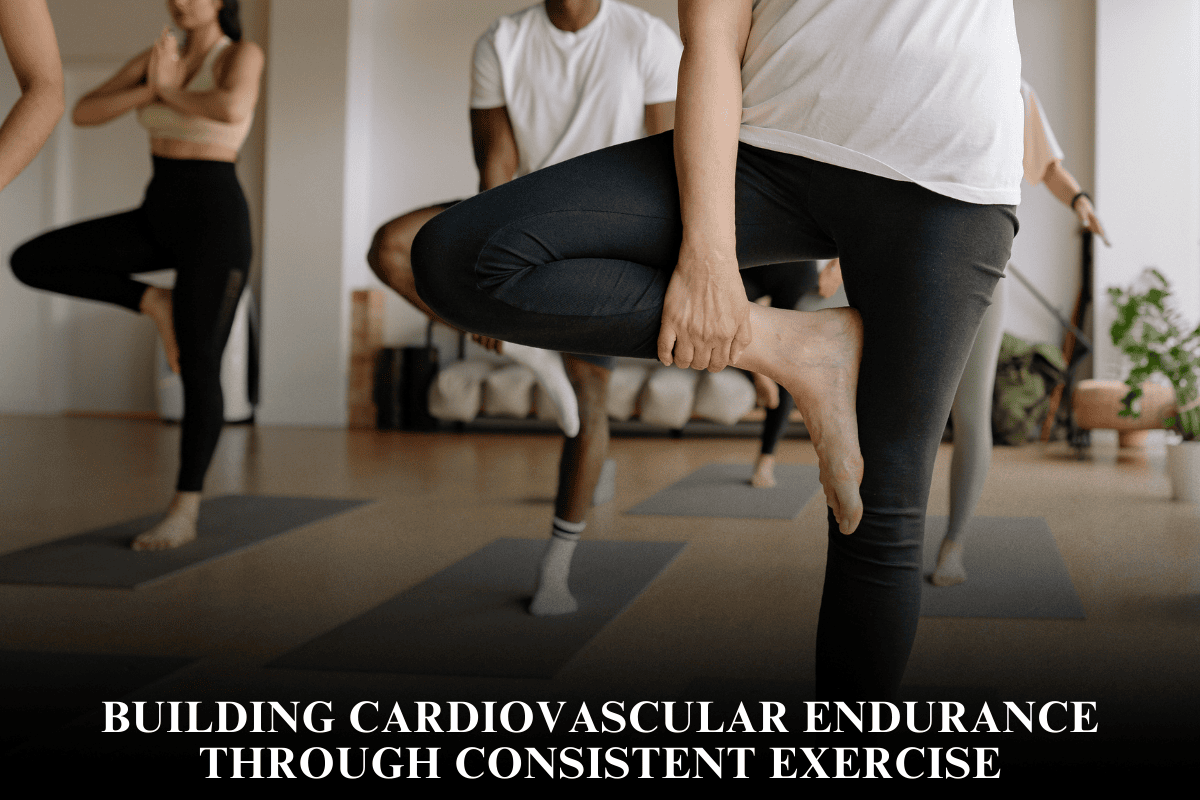
Small group fitness session in a gym, with individuals performing various strength training exercises.
Begin with a medical clearance, especially if over 40, pre-existing conditions exist, or sedentary. Warm up 5-10 minutes with light cardio (marching in place) and dynamic stretches (arm circles, leg swings).
Prioritize form over weight: master bodyweight moves before adding resistance like dumbbells (3-8 lbs) or bands. Progress slowly—increase reps/weight by 10% weekly. Rest 48 hours between sessions for the same muscle groups; include one full recovery day weekly.
Breathe steadily—exhale on effort, inhale on release. Use mirrors or videos for form checks. Stop if pain (beyond mild burn) occurs; consult pros for modifications.
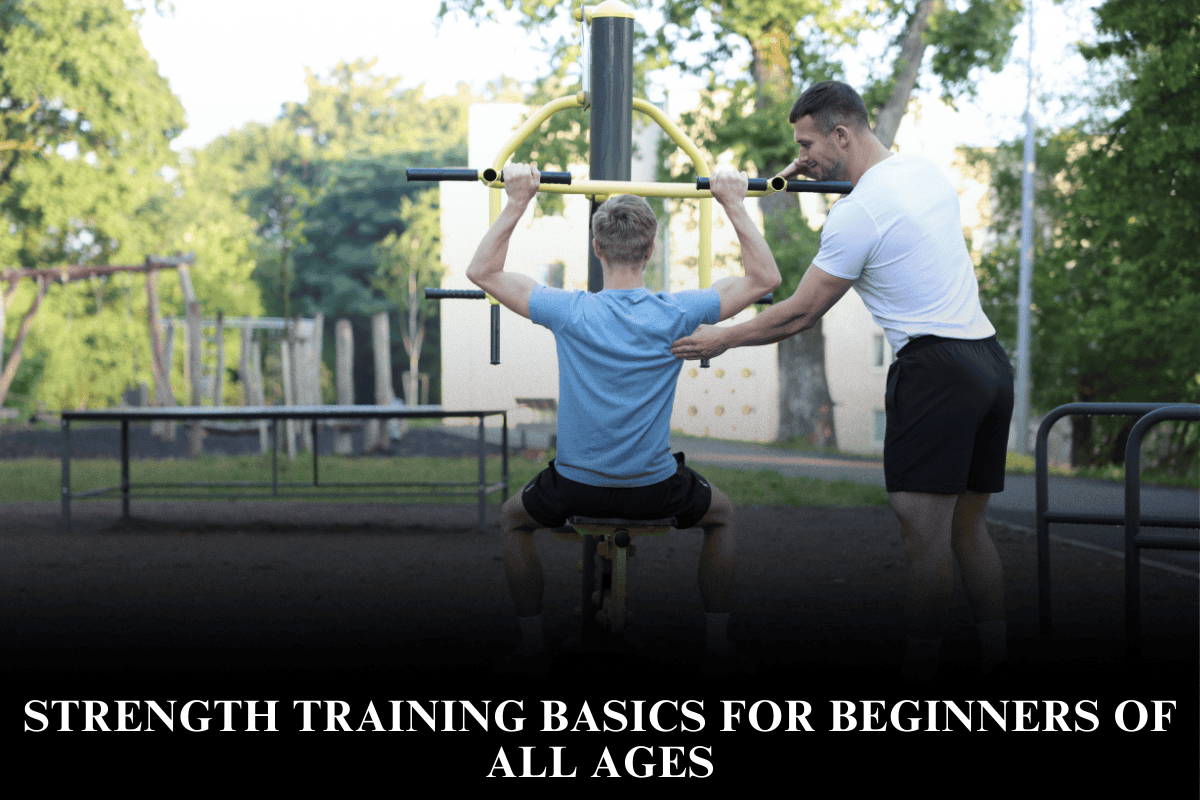
Group fitness classes emphasize safe form during strength sessions, demonstrating squats and planks for beginners.
Key Strength Exercises
Focus on compound moves hitting multiple groups for efficiency.
- Squats: Feet shoulder-width, lower as if sitting back into a chair until thighs parallel floor, knees tracking toes. 3 sets of 10-12 reps. Targets legs, glutes; modifies to chair sits.
- Push-Ups: Wall, knee, or full plank; lower chest to floor, elbows 45 degrees from body. 3 sets of 8-10. Builds chest, shoulders, core.
- Rows: Bent-over with dumbbells or bands—hinge at hips, pull elbows back squeezing shoulder blades. 3 sets of 12. Strengthens back, improves posture.
- Planks: Forearms on floor, body straight from head to heels. Hold 20-60 seconds, 3 sets. Core stabilizer; progress to side planks.
- Lunges: Step forward, lower until both knees 90 degrees, push back. Alternate legs, 3 sets of 8 per side. Enhances balance, legs.
Start 2-3x/week, 20-30 minutes.
Flexibility and Mobility Exercises
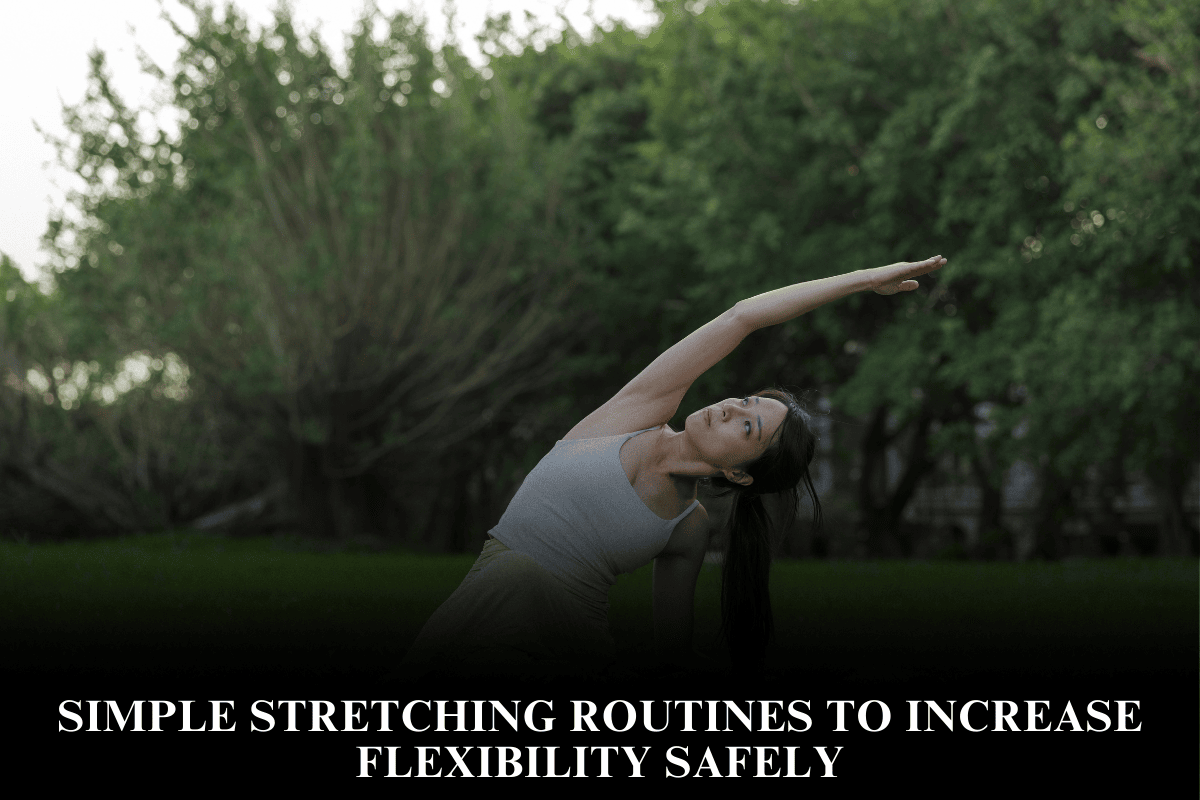
Pair strength with stretches held 20-30 seconds, 2-4x per side, post-workout when warm.
- Standing Forward Fold: Hinge at hips, let head hang, knees soft. Hamstrings, back.
- Cat-Cow: On all fours, alternate arching/dropping spine. Spine mobility.
- Hip Flexor Lunge: One knee down, push hips forward. Opens hips for runners/sitters.
- Shoulder Stretch: Arm across chest, pull gently. Upper body relief.
- Child’s Pose: Knees wide, fold forward arms extended. Full-body relaxant.
Yoga flows or Pilates add dynamic flexibility; apps like Peloton offer guided 10-minute sessions.
Sample Beginner Routine
Warm-Up (5 min): March, arm swings.
Circuit (3 rounds, 45s rest):
- Squats (12 reps)
- Push-Ups (8-10)
- Rows (12/arm)
- Plank (30s)
- Lunges (8/leg)
Cool-Down (5-10 min): Static stretches above.
Total: 25 minutes. Track progress in a journal; hydrate, fuel with protein post-workout (e.g., yogurt, nuts).
Common Mistakes and Fixes
Rushing form causes 50% beginner injuries—ego-lift lighter, film yourself. Neglecting warm-ups tightens muscles; always include. Overtraining leads to burnout—listen to fatigue. Imbalanced routines (e.g., chest-only) create posture issues; full-body evenly. Women often under-lift due to myths; all genders gain similarly with progressive overload.
US Resources and Accessibility
Free CDC/ NIH apps provide trackers; community centers offer low-cost classes. Home setups need minimal: mat, bands ($20). Virtual trainers via YouTube ensure safety. ADA-compliant gyms cater inclusively; Medicare covers some PT for conditions.
Long-Term Progress
After 4-6 weeks, add variations (e.g., goblet squats). Aim for 8-15 reps hypertrophy, 4-6 strength. Flexibility daily prevents plateaus. Consistency trumps intensity—track non-scale wins like easier stairs. Consult PTs for personalization, yielding 20-40% strength gains in 12 weeks safely.
Safe exercise empowers independence, from gardening to grandkids, fostering lifelong vitality.
FAQs
1. How often should beginners strength train?
2-3 days/week, full-body, with rest days; add flexibility daily.
2. What if I have joint issues?
Modify (e.g., seated rows, wall push-ups); get PT clearance first.
3. Do I need equipment?
No—bodyweight suffices; bands/dumbbells enhance later.
4. How to progress safely?
Master form, add 10% reps/weight weekly; rest adequately.
5. Can seniors start?
Yes, lighter loads build bone/muscle; doctor-approved.