U.S. workplaces in 2026 increasingly integrate movement into daily routines to combat sedentary lifestyles affecting 80% of employees. These strategies boost productivity, cut healthcare costs by 25%, and reduce burnout through accessible activity programs.
Standing and Walking Workstations
Adjustable desks let workers alternate sitting and standing, burning 50 extra calories hourly while easing back pain. Companies provide riser kits for $100, yielding ROI via fewer sick days.
Walking meetings replace chair-bound talks, fostering creativity—studies show 60% better idea generation on foot. Hybrid teams use treadmill desks synced to video calls.
Pedometer challenges track 8,000 daily steps, with team leaderboards sparking friendly competition.
Micro-Break Movement Routines
Five-minute hourly stretches or desk yoga prevent stiffness, integrated via app reminders. Virtual classes offer HIIT bursts or tai chi, accessible remotely.
“Move at meetings” rules add 2-minute walks every 30 minutes, cutting cardiovascular risks by 30%. Wellness apps gamify participation with badges.
These habits build cumulative activity without gym time.
Active Office Design
Stairwell promotions with music and signage double usage over elevators. Parking spots farthest encourage 2,000 extra steps daily.
Break rooms feature exercise balls, resistance bands, and balance boards for casual use. Bike racks and showers support commuters, slashing commute stress.
Flexible spaces host pop-up boot camps, blending work and wellness seamlessly.
Team Challenges and Incentives
Step competitions via wearables award prizes like extra PTO, boosting engagement 40%. Virtual races connect remote teams across states.
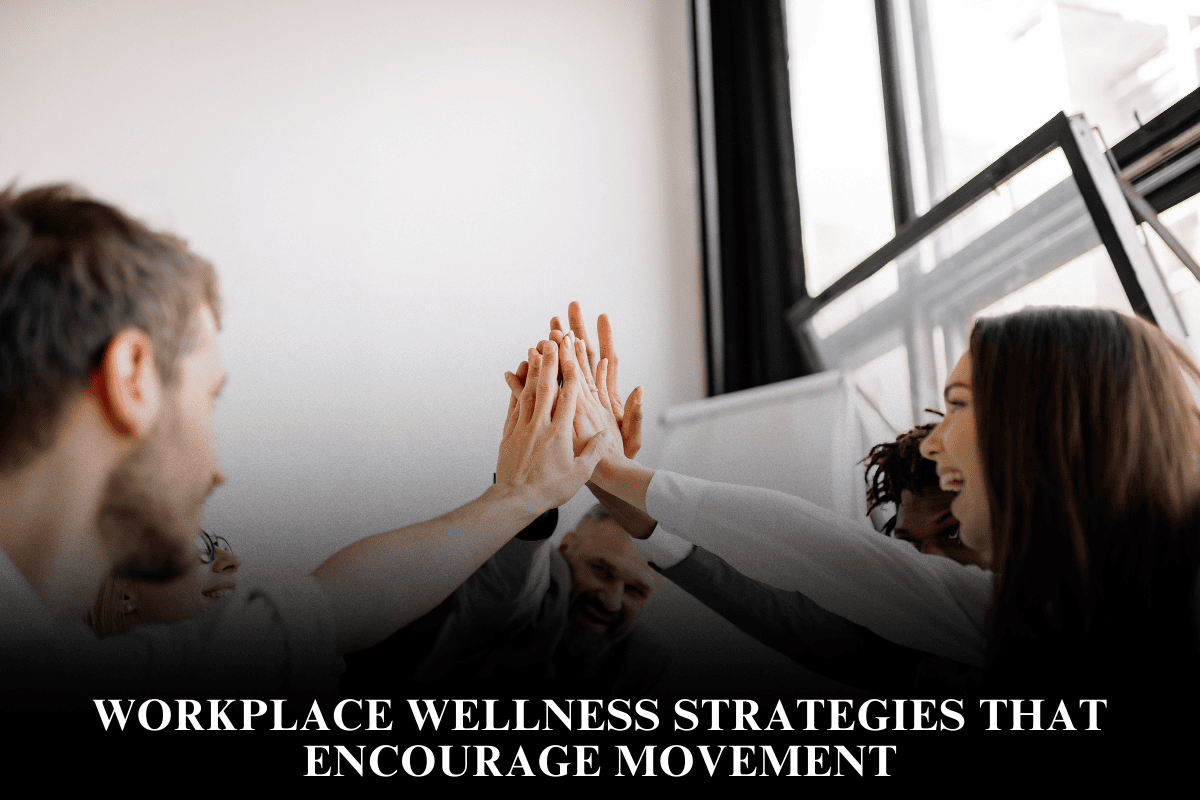
Partnered walks or group planks build camaraderie, with HR tracking progress dashboards. Non-scale victories celebrate consistency over distance.
Low-cost rewards sustain long-term buy-in.
Leadership and Policy Support
Executives model behavior by joining challenges, signaling priority—participation rises 50% with C-suite involvement. Policies cap meetings at 25 minutes for stretch buffers.
Training managers spot sedentary slumps, suggesting walks. Wellness committees tailor programs yearly via surveys.
Culture shifts make movement the norm.
Tech-Enabled Tracking
AI apps personalize routines, like “nudge walks” based on calendar gaps. VR fitness immerses users in office pods, mimicking hikes.
Integration with HR software measures ROI: 20% productivity gains link to activity spikes.
Data privacy ensures trust in adoption.
Hybrid and Remote Adaptations
Home setups include under-desk ellipticals; companies subsidize 50% costs. Live-streamed classes unite distributed teams for noon yoga.
Neighborhood walking groups geo-fence challenges, fostering local bonds.
Scalable strategies fit all work modes.
Measuring Success
Track metrics like steps, absenteeism drops (15% average), and engagement surveys. Annual audits refine offerings, ensuring sustained impact.
Holistic gains include better sleep and mood.
Frequently Asked Questions (FAQs)
1. How do walking meetings benefit teams?
They spark 60% more creative ideas and encourage light activity without extra time.
2. What’s the cost of standing desks?
Basic risers start at $100, with full units $300-500, often employer-subsidized.
3. Can remote workers join movement challenges?
Yes, apps sync wearables for virtual races and team step counts.
4. How much movement reduces health risks?
8,000 daily steps via micro-breaks cut cardiovascular issues by 30%.
5. Why involve leaders in wellness?
Their participation boosts employee buy-in by 50%, normalizing activity.