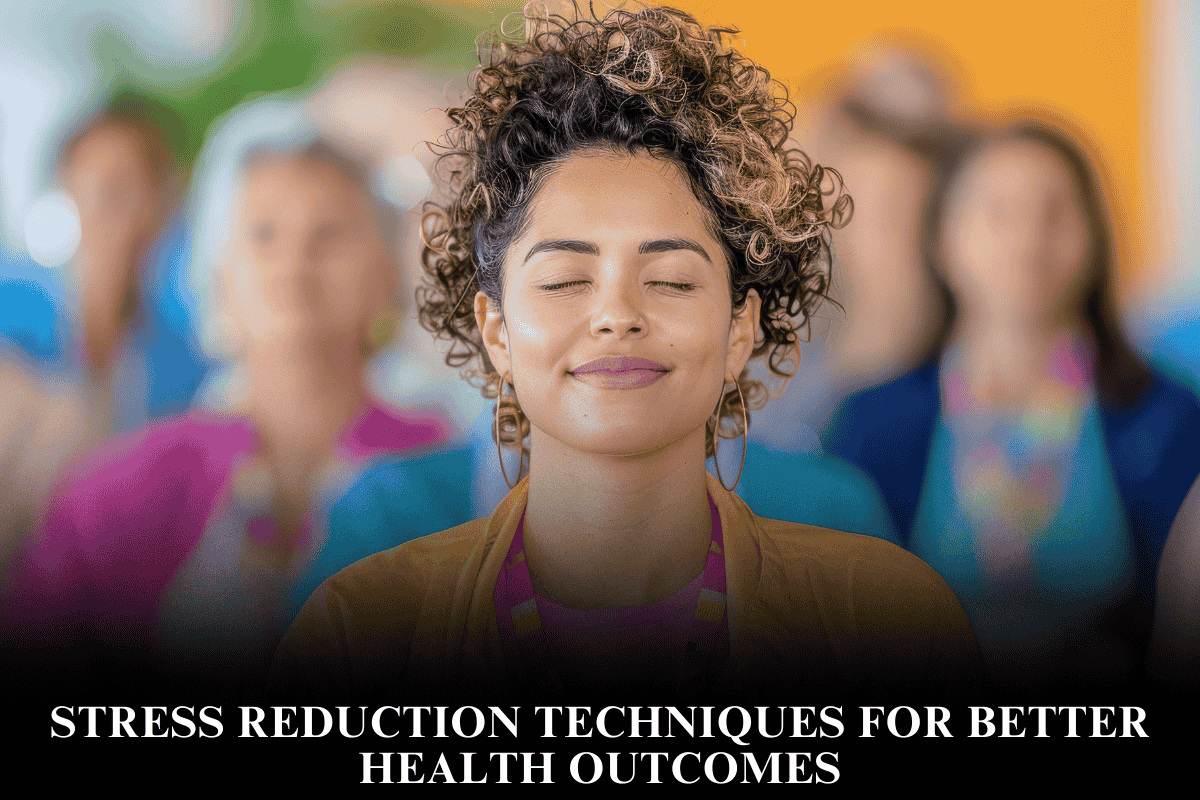
Stress reduction techniques offer proven pathways to lower cortisol levels, improve sleep, and enhance immune function for better overall health. Evidence-based methods like mindfulness and deep breathing deliver measurable outcomes, reducing risks of hypertension, anxiety disorders, and chronic inflammation.
Mindfulness-Based Stress Reduction (MBSR)
MBSR, developed by Jon Kabat-Zinn, combines meditation, body scans, and gentle yoga over eight weeks to foster present-moment awareness. Studies show it rivals antidepressants like escitalopram for anxiety relief, with effects lasting six months via strengthened brain networks for emotion regulation.
Participants report 30-40% drops in perceived stress, alongside better pain tolerance and mood stability. Practice daily for 20-45 minutes using guided apps or classes—start with breath focus to quiet racing thoughts.
Progressive Muscle Relaxation (PMR)
PMR involves tensing and releasing muscle groups sequentially, from toes to face, over 10-15 minutes. Research confirms it eases anxiety and depression in older adults, sustaining benefits for 14 weeks post-training.
This activates the parasympathetic nervous system, countering fight-or-flight responses. Ideal for bedtime: tense each group for five seconds, release for 30, breathing deeply throughout.
Diaphragmatic Breathing and Autogenic Training
Deep belly breathing—inhale for four counts, hold four, exhale six—lowers blood pressure during acute stress by 10-15 mmHg. Autogenic training uses self-suggestions like “my arms are heavy and warm” to mimic relaxation responses.
Both improve hemodynamic stability in hypertension patients. Practice four cycles pre-stressful events; combine with visualization for amplified calm.
Cognitive Behavioral Therapy (CBT) Techniques
CBT reframes negative thoughts, such as turning “I can’t handle this” into “I’ve managed similar before.” Brief sessions reduce chronic stress markers by 20-30%, boosting resilience.
Journal triggers and evidence-based alternatives daily. Pair with apps for structured exercises targeting healthcare worker burnout.
Physical Activity and Social Support
Moderate exercise like 30-minute walks releases endorphins, cutting stress hormones by 25%. Support groups foster camaraderie, slashing isolation-related tension.
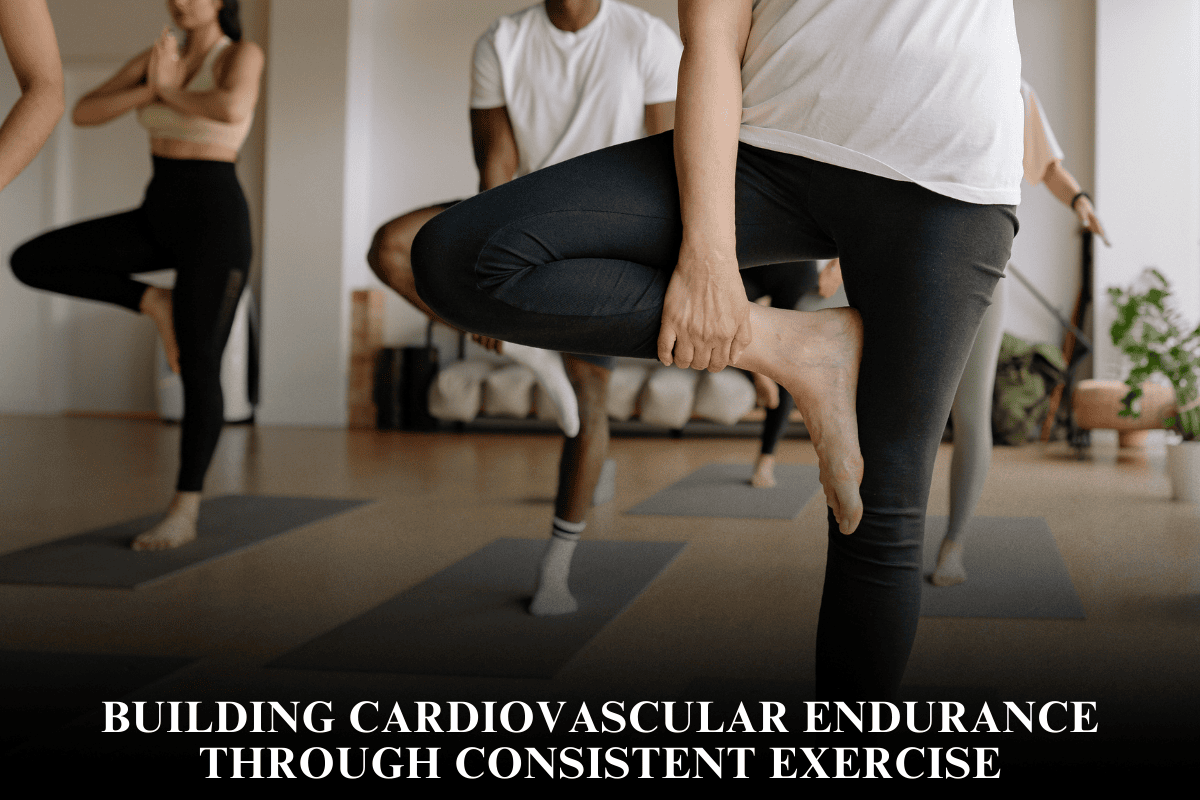
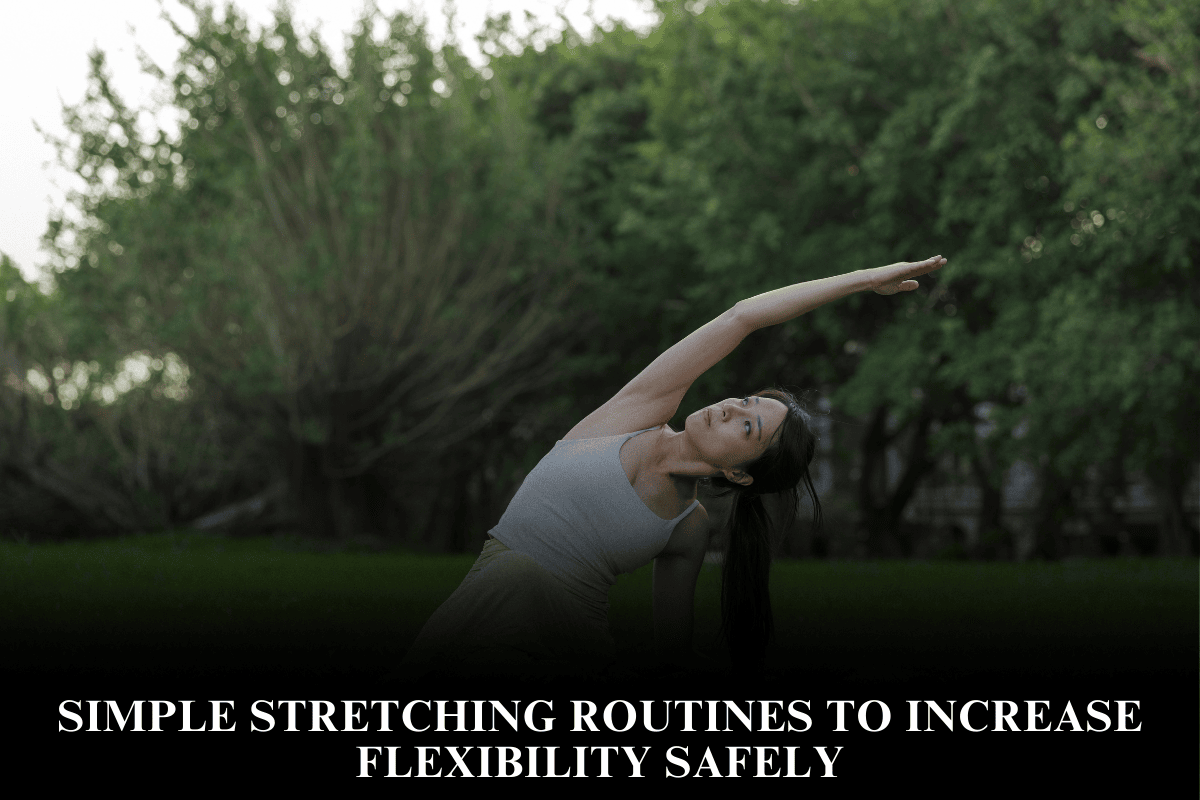
Yoga or tai chi blends movement with mindfulness, enhancing effects. Organizational positivity, like peer check-ins, amplifies individual efforts.
Long-Term Health Gains
Consistent practice prevents cortisol-driven issues like weight gain and weakened immunity. MBSR and PMR improve quality of life in chronic illness, with faster stress recovery.
Implementation Tips
Start small: five minutes daily, track mood shifts. Apps guide beginners; combine methods for synergy, like PMR post-exercise.
FAQs
1. How quickly do techniques work?
Many show effects in one session; full benefits emerge in 4-8 weeks with consistency.
2. Best for healthcare workers?
MBSR and peer support excel, reducing burnout via quick, on-duty practices.
3. Any side effects?
Rare; initial emotional surfacing possible—ease in gradually.
4. Free resources available?
Yes: CDC guides, YouTube MBSR, apps like Insight Timer.
5. Measure progress?
Use Perceived Stress Scale (PSS-10) pre/post; track sleep, blood pressure.