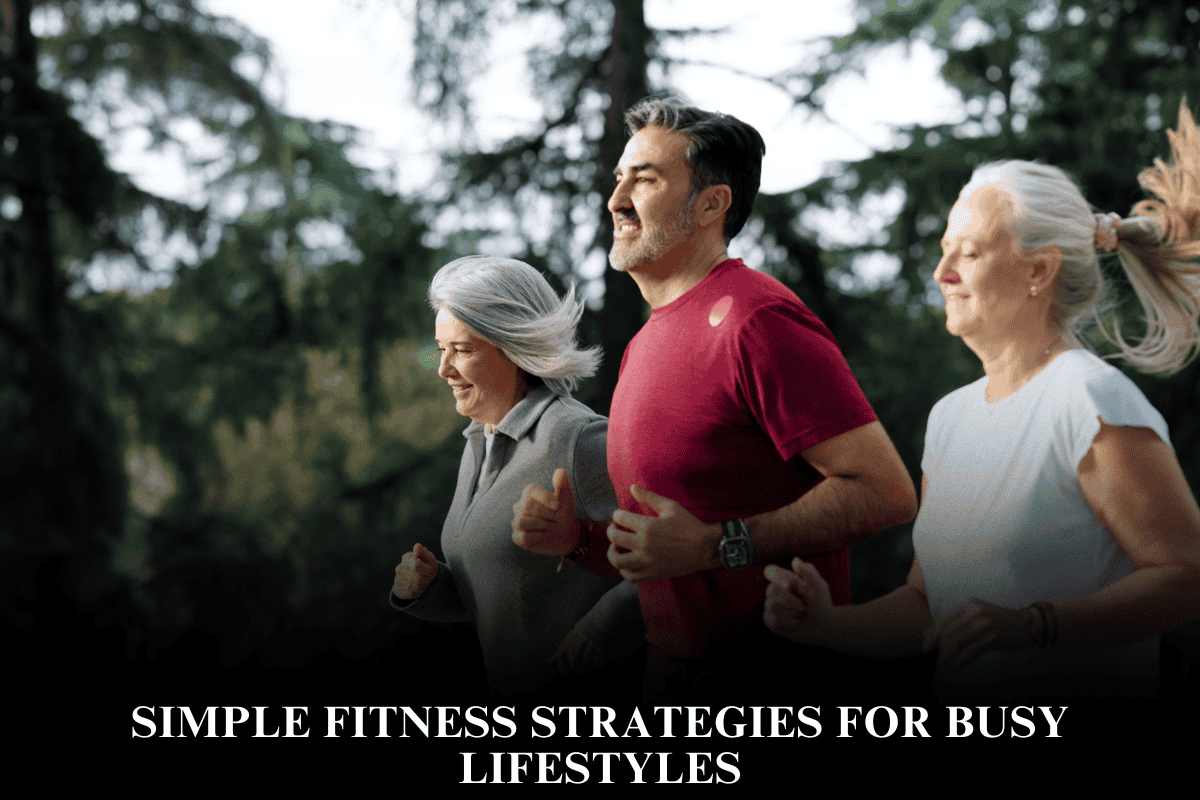
Simple fitness strategies make staying active achievable even for packed schedules, integrating movement into daily routines without gym memberships or long workouts. These approaches align with 2026 trends emphasizing mini-sessions, habit stacking, and enjoyable activities to boost energy and health long-term.
Why Short Strategies Work
Busy adults average under 30 minutes of daily exercise, yet breaking activity into 10-minute bursts matches longer sessions for calorie burn and heart benefits, per American Heart Association guidelines.
SMART goals—Specific, Measurable, Achievable, Relevant, Time-bound—build consistency, like “walk 7,000 steps daily by week’s end”. They reduce stress, improve sleep, and counter sedentary jobs linked to metabolic risks.
Focus on enjoyable moves sustains adherence over rigid plans.
Core Daily Habits
- Walk during calls or park farther: Aim 7-10k steps; equals 30-45 minutes spread out.
- Desk mini-workouts: 10 squats, wall push-ups, or marches hourly.
- Post-meal strolls: 5-10 minutes aids digestion and blood sugar control.
- Stairs over elevators; stand during meetings.
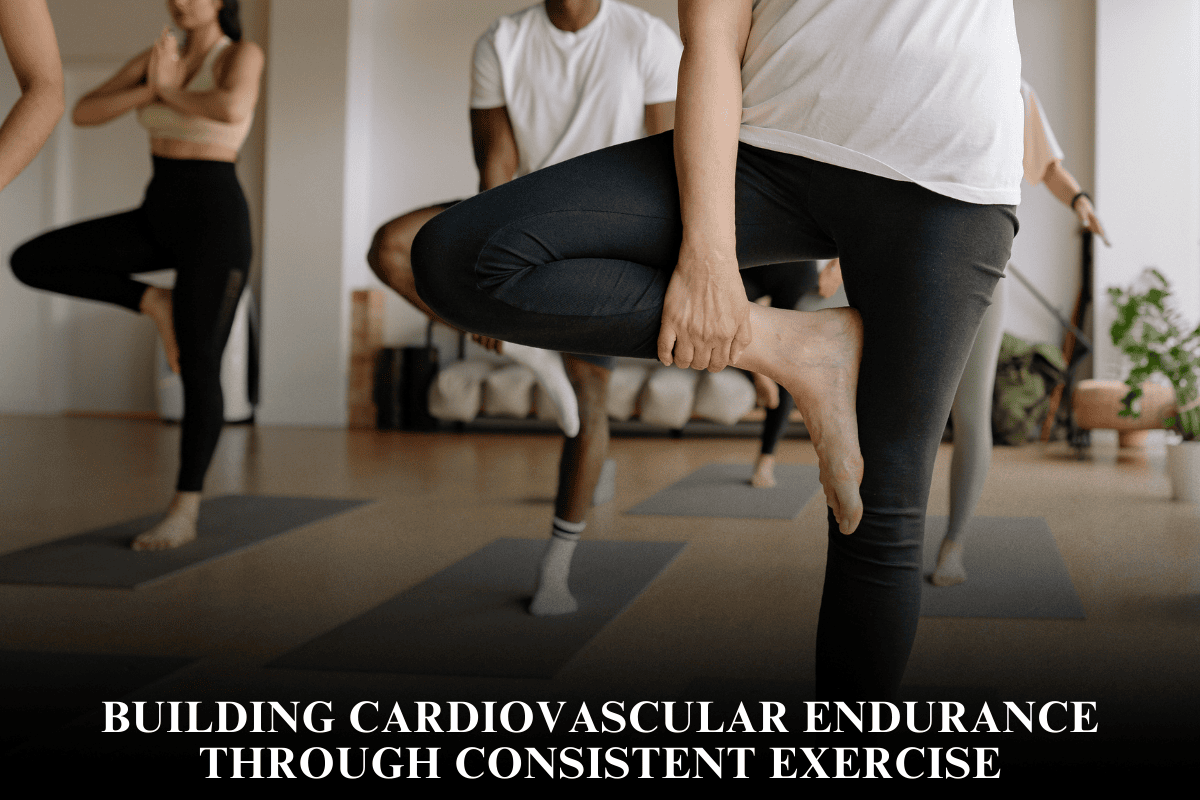
Mix moderate (brisk walk) and vigorous (jumping jacks) for balance—150 minutes weekly minimum.
Strength Without Equipment
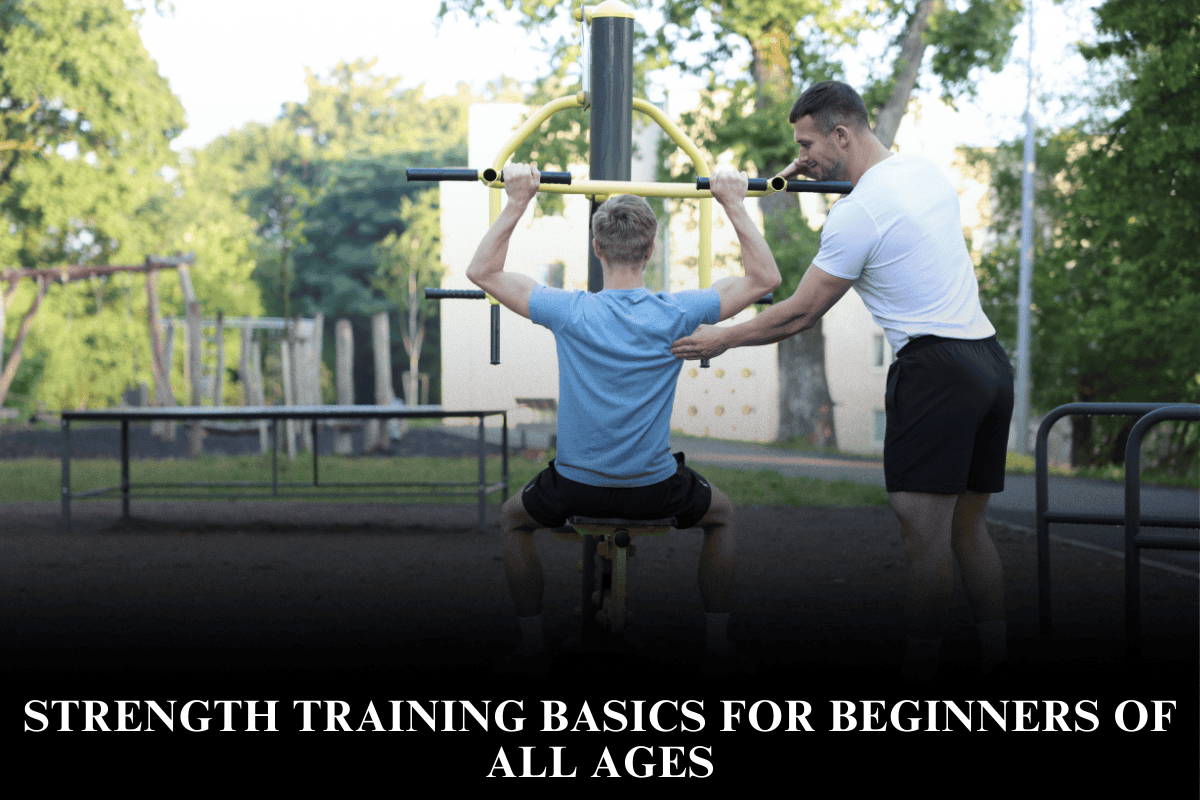
Bodyweight circuits take 15 minutes, 3x/week:
- Squats (10-15 reps)
- Push-ups (knee or wall variations)
- Lunges (alternating)
- Planks (20-30 seconds)
Progress by adding reps; builds muscle, bone density. Use apps like Nike Training Club for guided sessions.
| Quick Routine | Duration | Targets |
|---|---|---|
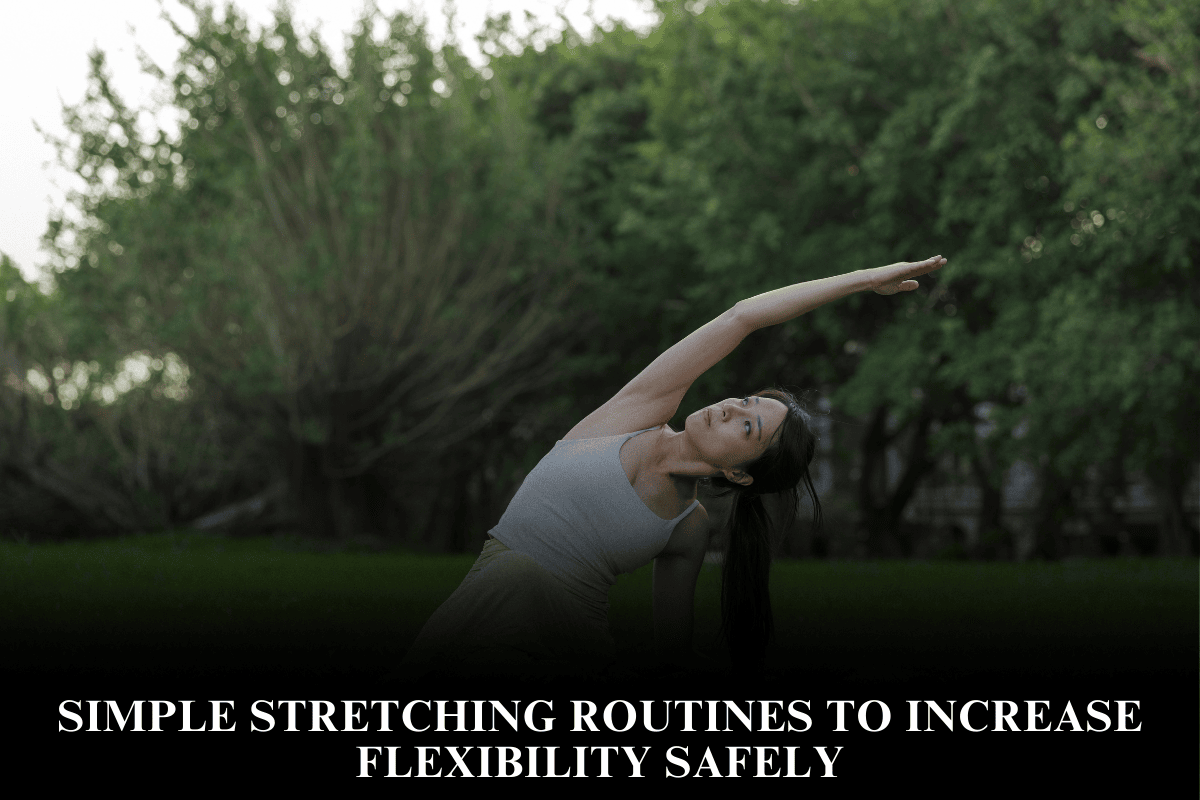
| Morning Wake-Up | 5 min | Full body stretch |
| Midday Desk Break | 10 min | Legs, core |
| Evening Wind-Down | 15 min | Strength circuit |
Tech and Mindset Boosts
Trackers like Apple Fitness+ or Strava log steps, motivate via streaks. Pair movement with podcasts or calls for dual benefits. Mindful practices—yoga breaths or Pilates—cut burnout, enhancing focus. Socialize actively: walks with friends, dance classes.
Prioritize sleep (7-9 hours); it amplifies fitness gains over extra exercise.
Nutrition Ties In
Fuel simply: protein snacks post-movement, whole foods over processed. One habit weekly—like veggies first on plate—supports without overwhelm.
Adapt for limits: seated marches for injuries, swimming for joints.
Long-Term Sustainability
Stack habits: coffee then stretch. Quarterly variety—try biking or yoga—prevents boredom. 2026 trends favor recovery tools like foam rolling for consistency.
FAQ
Q. How effective are mini-workouts?
Equally as 30-minute sessions for heart health and fat loss when totaling 150 minutes weekly.
Q. Best for desk jobs?
Standing desks, under-desk ellipticals, hourly 2-minute walks; aim 7k steps.
Q. No gym needed?
Bodyweight suffices; apps guide strength building 3x/week.
Q. Motivation tips?
SMART goals, habit stacking, enjoyable activities like dancing.
Q. Injury prevention?
Warm up, progress slowly, include flexibility; rest if sore.