Stress management techniques reduce chronic tension that harms physical health like blood pressure and immunity while boosting mental clarity and emotional resilience. Proven methods from mindfulness programs to exercise yield measurable benefits, helping Americans counter daily pressures effectively.
Mindfulness and Meditation
Mindfulness-Based Stress Reduction (MBSR) teaches body scans, breathing meditation, and gentle yoga over eight weeks to foster present-moment awareness. Participants process emotions nonjudgmentally, shifting from reactive worry to measured responses, with randomized trials showing improved psychological and physiological health.
Deep breathing exercises increase blood oxygen, easing anxiety; practice 4-7-8 breathing (inhale 4 seconds, hold 7, exhale 8) daily for quick tension relief.
Physical Activity Benefits
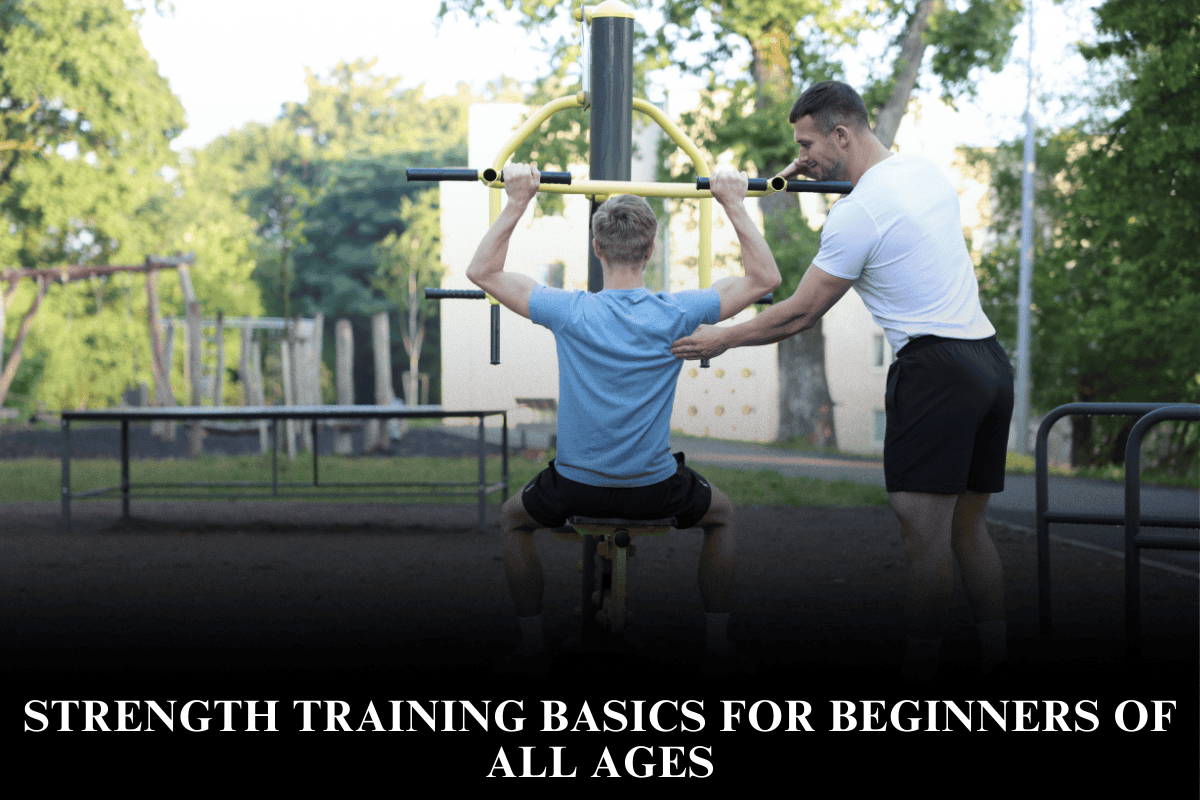
Exercise pumps endorphins, creating a “runner’s high” that counters stress hormones and lowers resting heart rate. Aerobic activities like brisk walking or swimming for 30 minutes most days improve mood, sleep, and immune function while mimicking meditation through focused movement.
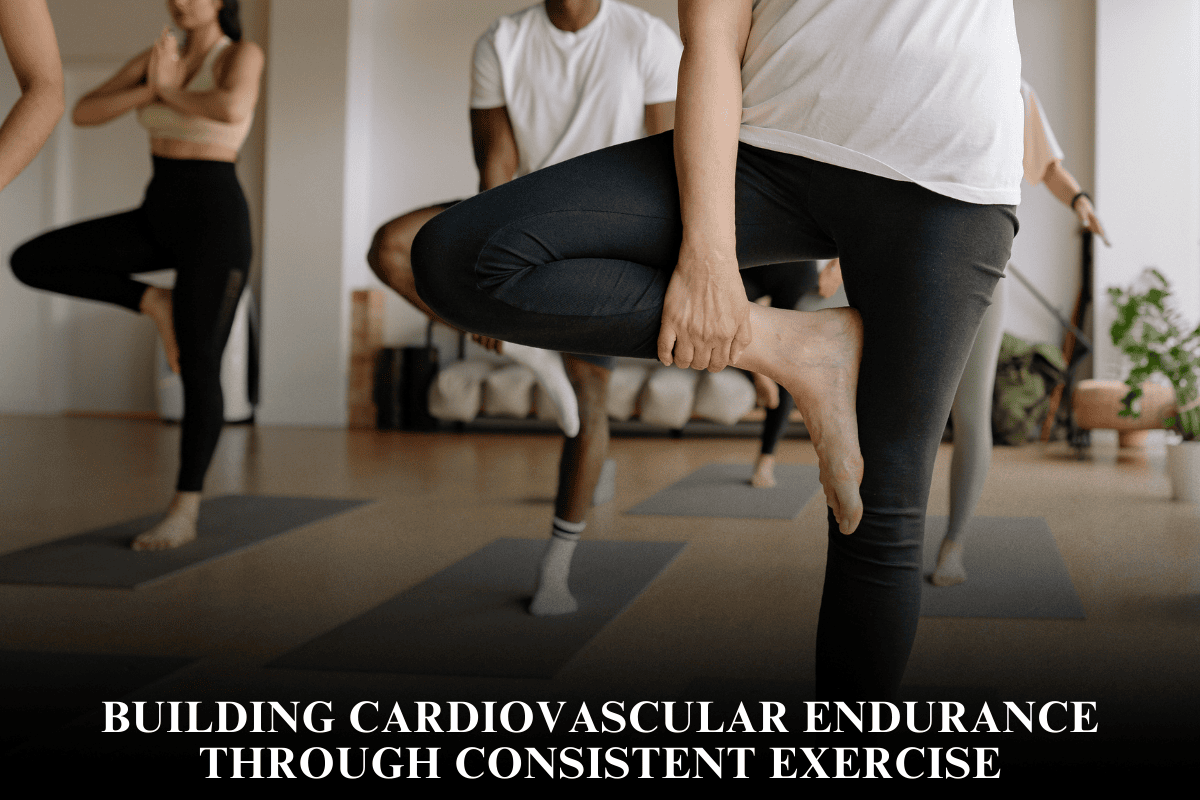
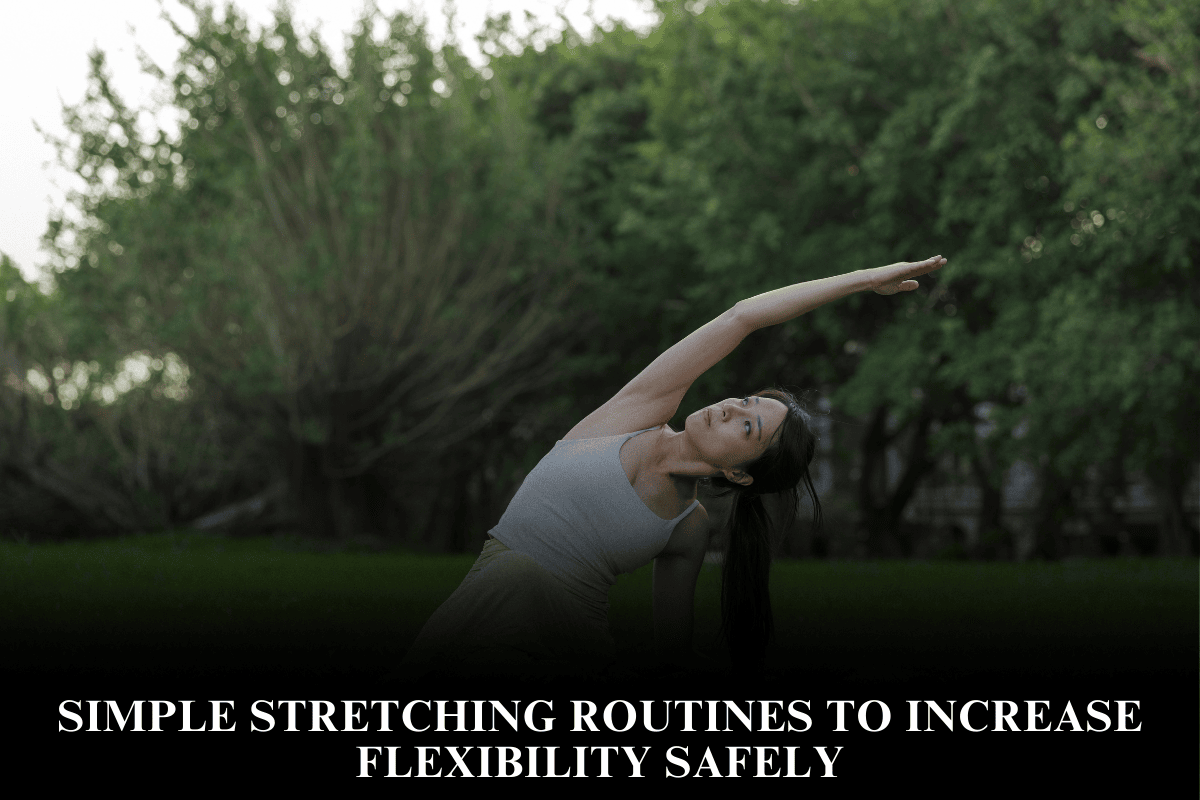
Yoga combines poses, stretches, and breathwork to relax muscles and clear the mind, reducing symptoms of depression and enhancing problem-solving.
Progressive Relaxation Techniques
Progressive muscle relaxation tenses and releases muscle groups from toes to forehead, releasing built-up physical tension in minutes. This method lowers blood pressure and promotes better sleep, key for stress recovery.
Pair with journaling to identify triggers; writing thoughts clarifies patterns and builds coping strategies without judgment.
Social and Lifestyle Strategies
Connect with others through hobbies, volunteering, or counseling groups to buffer stress via support networks. Healthy eating and adequate sleep amplify technique effectiveness, preventing stress from worsening conditions like heart disease or diabetes.
Limit caffeine and screens before bed; nature walks combine exercise with environmental calm for dual benefits.
Long-Term Health Gains
Regular practice cuts chronic disease risks, enhances cognition, and builds resilience against life’s demands. US health bodies like CDC endorse these for preventing stress-related declines in daily function.
FAQs
Q. How does exercise relieve stress physiologically?
It boosts endorphins and beta-endorphins while countering fight-or-flight effects on heart and immunity.
Q. What’s the best beginner mindfulness technique?
Start with 5-minute body scans, noting sensations without judgment.
Q. Can stress management help with sleep issues?
Yes, techniques like progressive relaxation and yoga improve sleep quality disrupted by tension.
Q. How often should I practice these methods?
Daily for 10-20 minutes yields cumulative benefits; consistency matters more than duration.
Q. Are there apps for guided stress relief?
Many offer MBSR, breathing timers, and yoga—free versions suffice for starters.