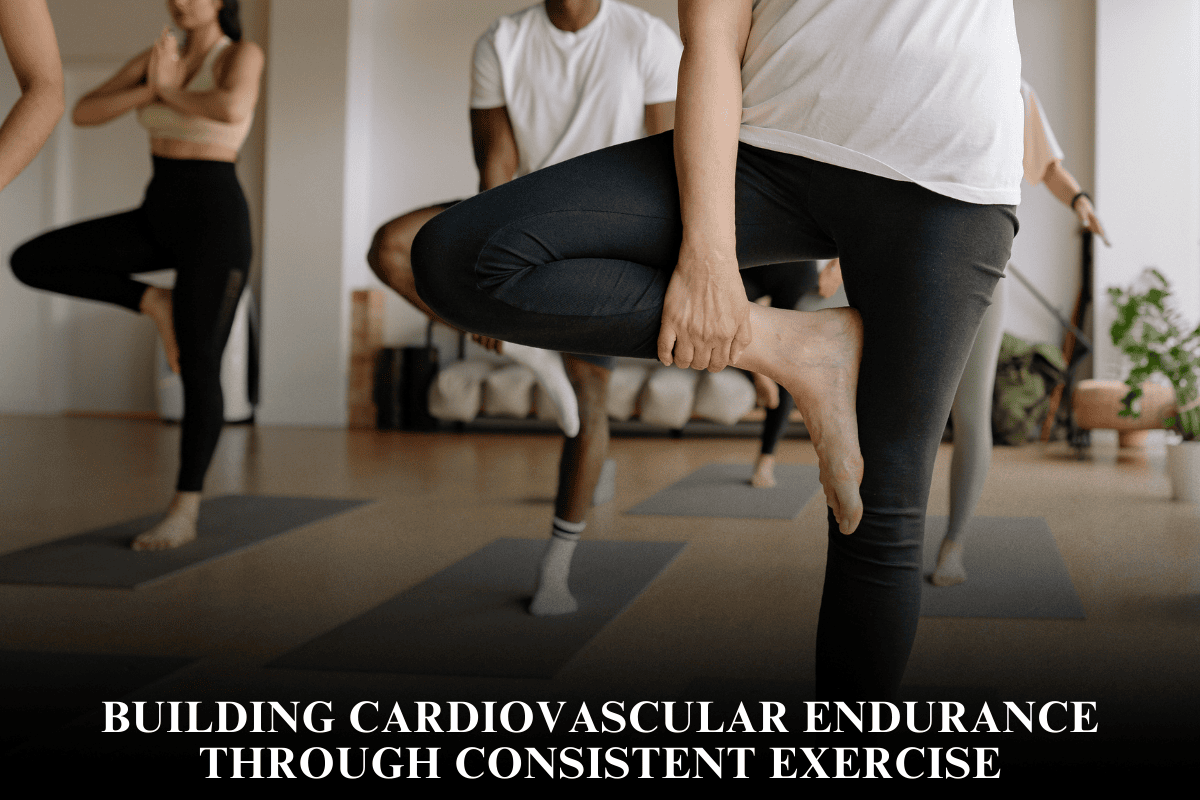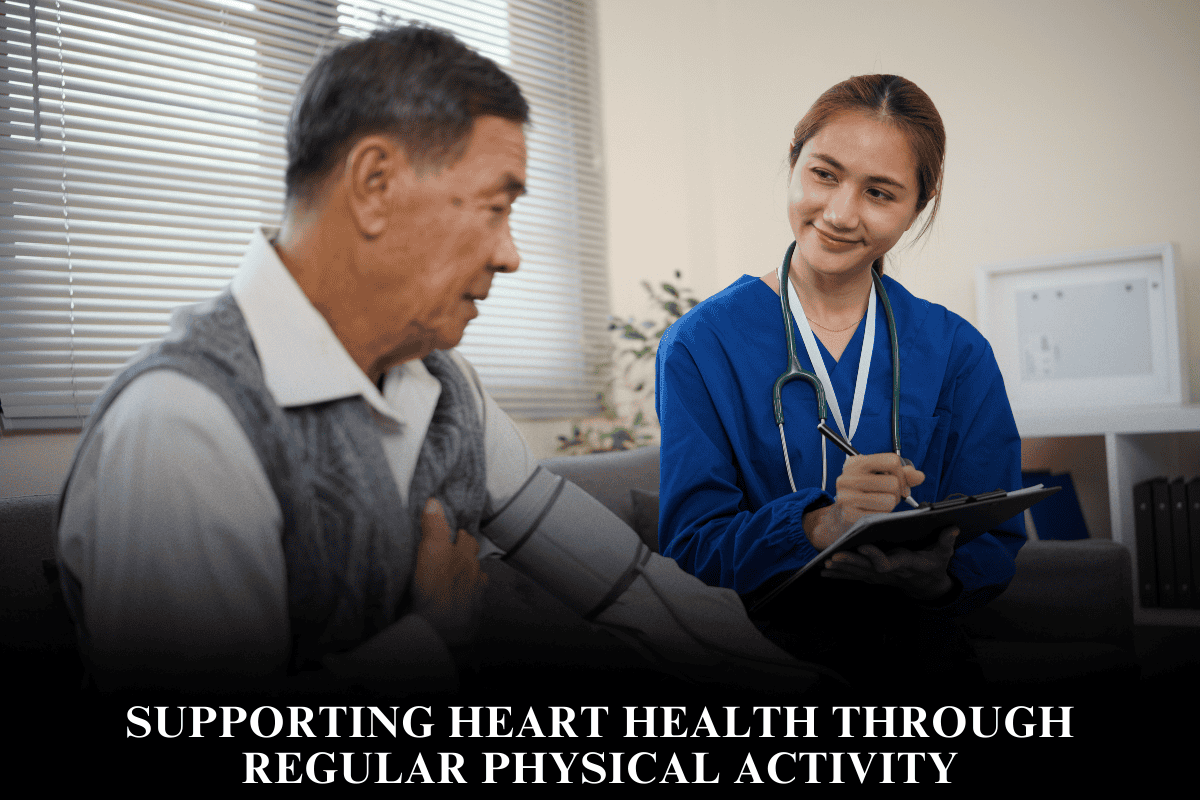
Regular physical activity strengthens the heart muscle, improves circulation, and lowers risks of cardiovascular diseases like heart attacks and strokes. Meeting guidelines of 150 minutes moderate aerobic exercise weekly reduces major events by 17%, with even greater benefits for those with stress or depression. Consistent movement transforms heart health long-term through measurable physiological changes.
Key Cardiovascular Benefits
Exercise enhances blood flow in coronary vessels, preventing blockages and enabling quicker recovery post-effort. It boosts HDL cholesterol while cutting LDL by up to 10%, directly combating plaque buildup. Active individuals face 21-29% lower coronary heart disease odds, alongside 20% reduced stroke risk.
Risk Reduction Statistics
Achieving 500 MET-minutes weekly—equivalent to brisk walking or cycling—slashes cardiovascular mortality by 35%. Physical inactivity causes 30% of ischemic heart disease cases globally, underscoring activity’s preventive power. Even partial adherence lowers death risks, with higher volumes amplifying gains up to 40%.
Recommended Activities
Aerobic options like brisk walking, swimming, or cycling for 30 minutes daily build endurance and lower blood pressure. Strength training twice weekly complements by improving insulin sensitivity and vascular function. Start slow, aiming for moderate intensity where conversation remains possible but singing proves tough.
Mechanisms of Improvement
Activity activates brain regions curbing stress responses, vital for anxiety-linked heart risks. It promotes nitric oxide release for vessel dilation, suppresses inflammation, and fosters cardiac hypertrophy for efficient pumping. Over time, resting heart rates drop, arrhythmia incidences like AFib decline, and systolic/diastolic functions optimize.
Getting Started Safely
Consult physicians pre-start, especially with conditions; track progress via apps or wearables. Combine with heart-healthy diets and stress management for synergistic effects, sustaining motivation through group classes or routines.
FAQs
1. How much weekly exercise suffices?
150 minutes moderate or 75 vigorous, per AHA guidelines.
2. Does light activity count?
Yes, any movement lowers risks incrementally.
3. Benefits for heart patients?
Cardiac rehab cuts events; supervised programs boost survival.
4. Can over-exercising harm?
Rare in moderates; monitor for fatigue or irregularities.
5. Quickest heart gains from what?
Aerobic like walking yields blood pressure drops fastest.