Workplace health screenings and employee wellness benefits play a key role in boosting US employee health and productivity. These programs help detect issues early while offering perks that enhance overall well-being.
What Are Workplace Health Screenings?
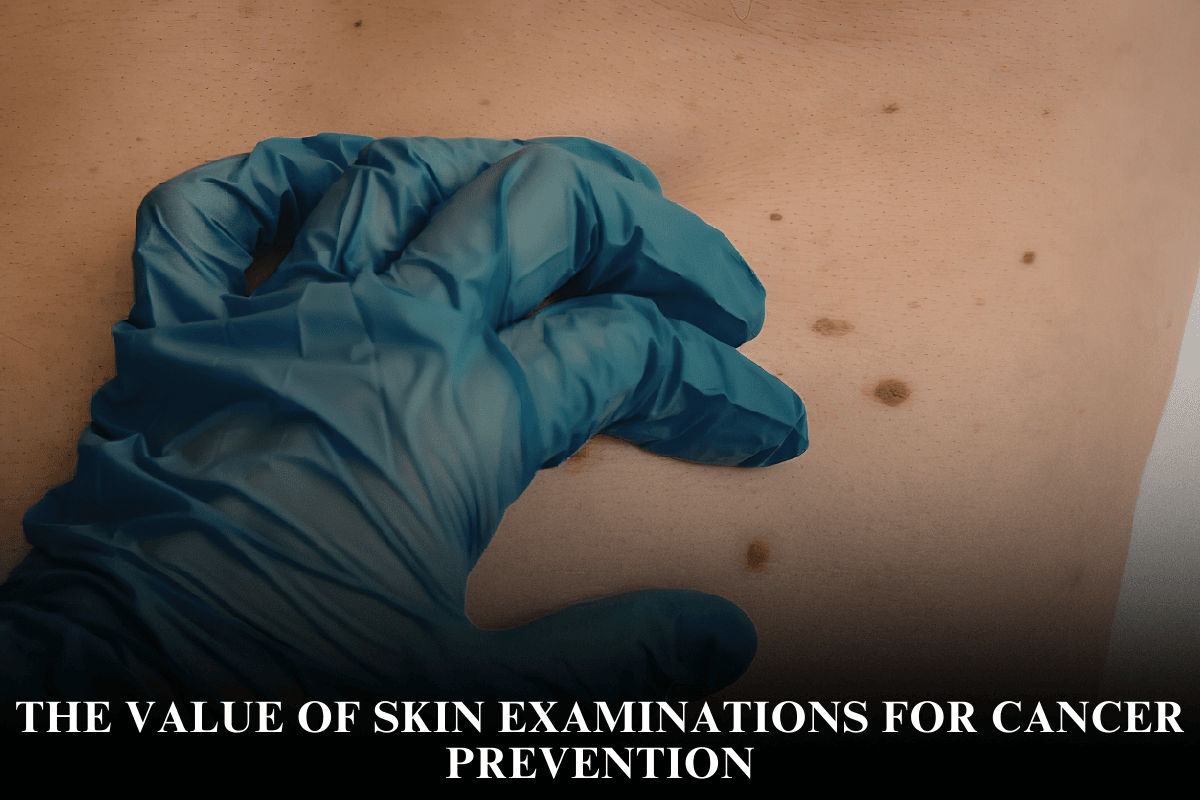
Workplace health screenings involve assessments like blood pressure checks, cholesterol tests, blood glucose monitoring, BMI calculations, and vision or hearing exams. Employers often provide these during onboarding, annually, or via on-site clinics to spot risks such as hypertension, diabetes, or high cholesterol before they worsen.
In the US, over 50% of large firms offer biometric screenings or health risk assessments (HRAs), sometimes with incentives like premium discounts.
Common Employee Wellness Benefits
US companies bundle screenings with benefits like gym memberships, smoking cessation programs, mental health counseling, and stress management workshops. Other perks include flexible hours for exercise, nutrition coaching, and apps for tracking fitness or sleep. Comprehensive programs often cover dependents too, promoting family health alongside work-life balance.
Benefits for Employees
Early detection through screenings allows workers to address health issues promptly, preventing chronic conditions and improving quality of life. Wellness benefits foster healthier habits, such as better eating and more exercise, while reducing stress and boosting morale. Employees gain peace of mind, access to resources, and higher job satisfaction, leading to better focus at work.
Advantages for Employers
Firms see reduced healthcare costs by catching problems early, with studies showing lower claims for chronic diseases. Productivity rises as healthier staff take fewer sick days—wellness programs correlate with less absenteeism and higher output. Retention improves too, as these perks signal company care, aiding compliance with OSHA safety standards and cutting insurance premiums.
US Legal and Implementation Tips
Under the Affordable Care Act (ACA) and EEOC rules, employers can offer up to 30% premium discounts (50% for tobacco cessation) for participating in screenings or programs, but must avoid discrimination.
Best practices include partnering with clinics for on-site events, using anonymous HRAs, and tracking ROI via participation rates. In 2026, with President Trump’s focus on workforce health post-reelection, more tax incentives may emerge for small businesses adopting these.
Real-World Examples
Johnson & Johnson saved $3.27 per dollar invested in wellness over a decade through screenings and coaching. Dow Chemical’s program cut healthcare costs by 52% via early interventions. Small US firms like those in manufacturing use mobile screening units to boost participation without downtime.
These initiatives cost about $693 per employee annually but yield broad gains in a competitive US job market.
FAQs
1. How often should workplace health screenings occur?
Annual screenings are standard for most US employees, with high-risk groups screened more frequently, like every six months for diabetics.
2. Are wellness incentives legal in the US?
Yes, under ACA and EEOC guidelines, employers can discount premiums up to 30% for voluntary participation, ensuring equal access.
3. What if an employee refuses a screening?
Refusal is allowed if voluntary; mandates risk legal issues, but incentives encourage uptake without penalties.
4. Do small businesses benefit from these programs?
Absolutely—group rates via platforms like Virgin Pulse lower costs, with ROI from reduced turnover matching large firms.
5. How do wellness programs impact mental health?
They include counseling and resilience training, cutting burnout by 25% in participating US workplaces.