Routine health visits for teens in the USA follow guidelines from the American Academy of Pediatrics (AAP) Bright Futures program, typically annual checkups from ages 11 to 21 focusing on growth, screenings, and risk prevention.
These visits emphasize privacy, psychosocial discussions, and vaccinations to support healthy development amid puberty, school pressures, and independence. Parents often join initially but teens get private time with providers.
Annual Visit Schedule and Purpose
AAP recommends yearly preventive visits starting at age 11, with comprehensive physical exams at early (11-14), middle (15-17), and late (18-21) adolescence unless issues arise. These monitor physical maturation, emotional health, and behaviors like substance use. Visits last 30-60 minutes, blending screening questionnaires (e.g., HEADSS: Home, Education, Activities, Drugs, Sexuality, Suicide/depression), counseling, and updates to immunization records like HPV, meningococcal, and Tdap boosters.
Physical Examination Components
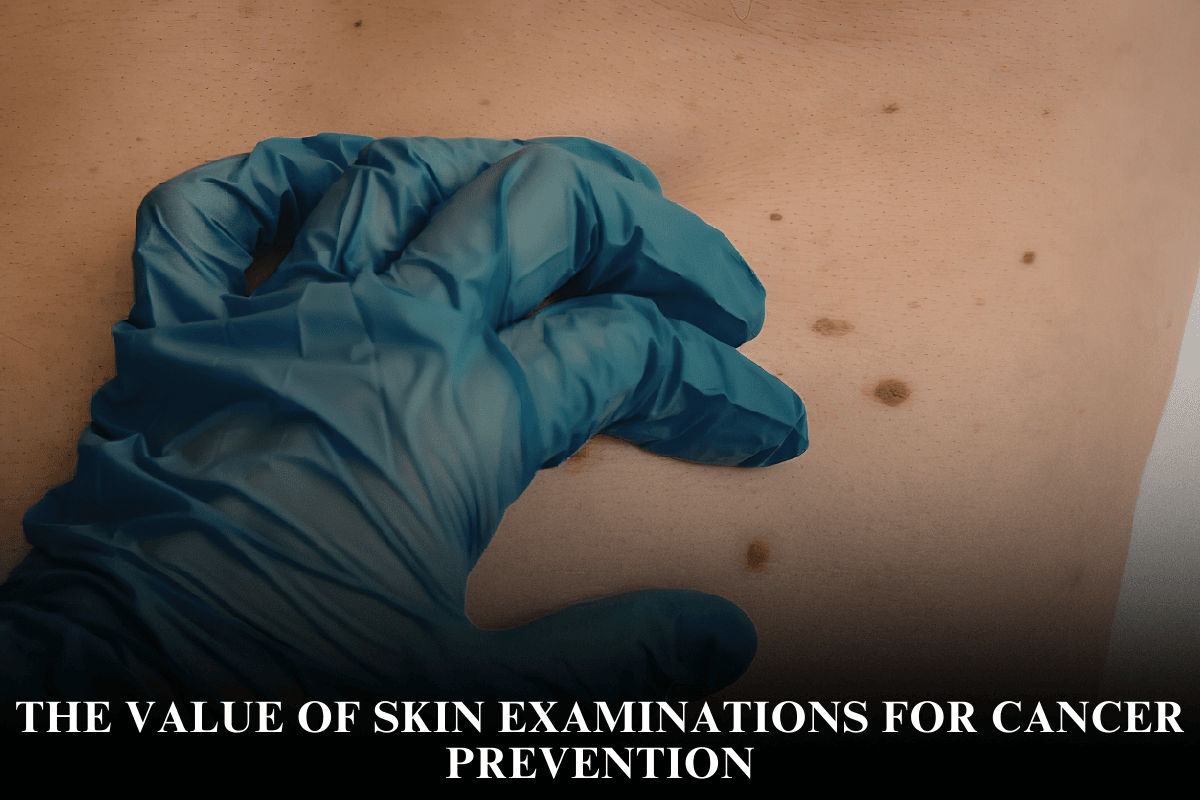
Expect height, weight, and BMI measurements plotted on growth charts to track puberty progress and obesity risks, plus blood pressure checks for hypertension. Providers examine skin for acne, spine for scoliosis, heart/lungs, abdomen, and puberty staging (Tanner stages for breast/genital development). Vision/hearing screens occur periodically; TB risk assessment via questionnaire may lead to tests for at-risk teens (e.g., travel history). Bloodwork for cholesterol, anemia, or lead might be ordered based on family history.
Psychosocial Screening and Counseling
Most time covers confidential talks on home life, school performance, hobbies, peer relations, and risks: tobacco/alcohol/drugs, mental health (depression/anxiety/suicide screens like PHQ-9), sexual health (STI/HIV risks, contraception, consent), and injury prevention (seatbelts, helmets). Counseling promotes 60 minutes daily exercise, healthy eating, limited screen time, sleep hygiene, and stress management. Providers encourage sports, arts, or volunteering while addressing bullying or body image.
Vaccinations and Lab Screenings
Updates include annual flu shots, HPV (2-3 doses by 13), meningococcal (at 11-12, booster 16), and Tdap (every 10 years post-11). Sexually active teens may get STI tests (chlamydia/gonorrhea/HIV/Hep B/C), with cervical screening starting at 21 for females. Dyslipidemia or diabetes screens target high-risk groups; depression tools are standard.
Privacy, Parental Role, and Follow-Up
Teens 12+ get private time without parents for honest disclosure, per AAP ethics—chaperones only for sensitive exams. Parents receive separate guidance on supporting autonomy. Virtual options handle counseling but in-person suits labs/vaccines. Follow-ups address concerns like ADHD, asthma, or eating disorders.
These visits empower teens to build lifelong health habits, catching issues early in a judgment-free space aligned with U.S. standards.
Frequently Asked Questions (FAQs)
Q. How often should teens visit the doctor?
Annually from 11-21 per AAP, with extra if chronic conditions or risks exist.
Q. Do parents stay for the whole exam?
No, teens get private psychosocial talks from age 12; parents join start/end.
Q. What vaccines happen at teen visits?
HPV, meningococcal, Tdap boosters, flu; STI shots if needed.
Q. Are mental health screens routine?
Yes, annual depression/suicide/anxiety checks via questionnaires like HEADSS.
Q. Can visits be virtual?
Yes for counseling/behavioral screens, but physical exams/vaccines require in-person.