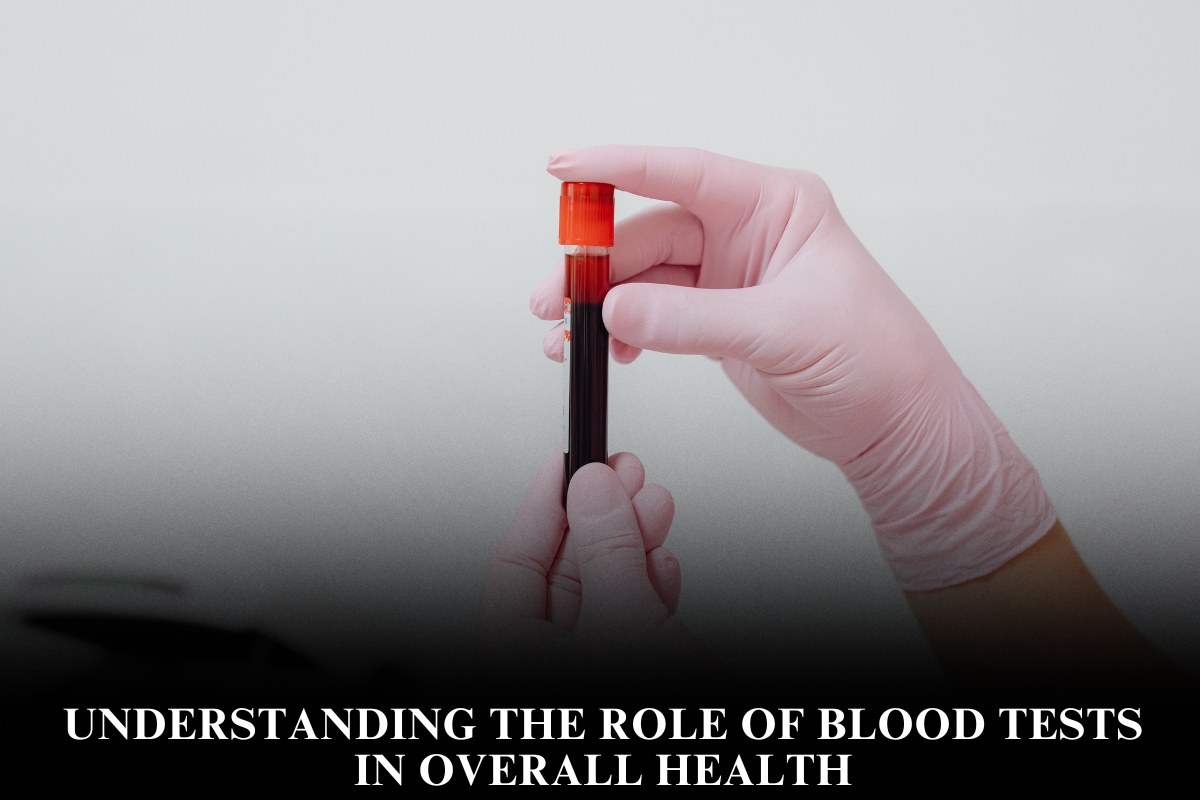
Blood tests serve as a cornerstone of preventive healthcare in the USA, providing a detailed snapshot of organ function, nutrient levels, inflammation, and disease markers to guide early intervention and long-term wellness.
Routine panels like complete blood counts (CBC) and comprehensive metabolic panels (CMP) are recommended annually for adults by organizations such as the CDC and USPSTF, helping detect issues like anemia, diabetes, or high cholesterol before symptoms arise. This proactive approach reduces healthcare costs and improves outcomes, with millions benefiting from accessible lab services via insurance or employer wellness programs.
Common Blood Tests and What They Reveal
A CBC evaluates red blood cells (oxygen transport, anemia screening), white blood cells (infection or immune issues), platelets (clotting), and hemoglobin, flagging conditions from infections to blood disorders. CMP assesses electrolytes, kidney/liver function (creatinine, ALT/AST), glucose (diabetes risk), and proteins, while lipid panels measure cholesterol (LDL/HDL/triglycerides) for heart disease prevention. Specialized tests like HbA1c track diabetes control, PSA screens prostate health, and thyroid panels (TSH/T4) detect metabolic imbalances.
Role in Preventive Screening
U.S. guidelines emphasize blood tests for early detection: USPSTF recommends lipid screening every 4-6 years for adults 40-75, with more frequent checks for high-risk groups like diabetics. They identify silent threats—high cholesterol precedes 90% of heart attacks, elevated glucose signals prediabetes in 88 million Americans—and enable lifestyle or medication tweaks to avert crises. Annual wellness visits under the Affordable Care Act often cover these at no cost, promoting equity.
Monitoring Chronic Conditions
For diagnosed patients, blood tests track treatment efficacy: HbA1c below 7% indicates good diabetes control; liver enzymes guide medication safety; INR monitors blood thinners. Frequent testing (e.g., quarterly for uncontrolled hypertension) prevents complications like kidney failure or strokes, with telehealth labs expanding access post-COVID.
Assessing Organ Function and Nutrition
Kidney markers (GFR, BUN) and liver panels reveal dysfunction from meds, alcohol, or fatty liver disease affecting 1 in 3 U.S. adults. Vitamin D/B12/iron tests address deficiencies linked to fatigue and immunity; hormone panels (testosterone, cortisol) inform endocrine health.
Interpreting Results and Next Steps
Normal ranges vary by age/gender (e.g., fasting glucose <100 mg/dL); flagged results prompt doctor review—high LDL may mean statins, low iron iron supplements. Patient portals from LabCorp/Quest provide instant access, empowering informed discussions.
Limitations and Best Practices
Tests aren’t infallible—false positives/negatives occur, requiring context like fasting for lipids/glucose. Prep: hydrate, fast 8-12 hours for accuracy; disclose meds/supplements. Combine with physicals, family history for holistic views.
FAQs
1. How often should healthy adults get blood tests in the USA?
Annually during wellness visits, per CDC/USPSTF; more if risks like family history or obesity.
2. What does a high white blood cell count indicate?
Infection, inflammation, stress, or rarely leukemia—doctors correlate with symptoms.
3. Are blood tests covered by insurance?
Yes, routine panels are no-cost under ACA preventive services for most plans.
4. Can blood tests detect cancer early?
Some like PSA or tumor markers suggest risk, but confirmation needs imaging/biopsy.
5. What if results are borderline?
Often monitored with lifestyle changes; retest in 3-6 months clarifies trends.