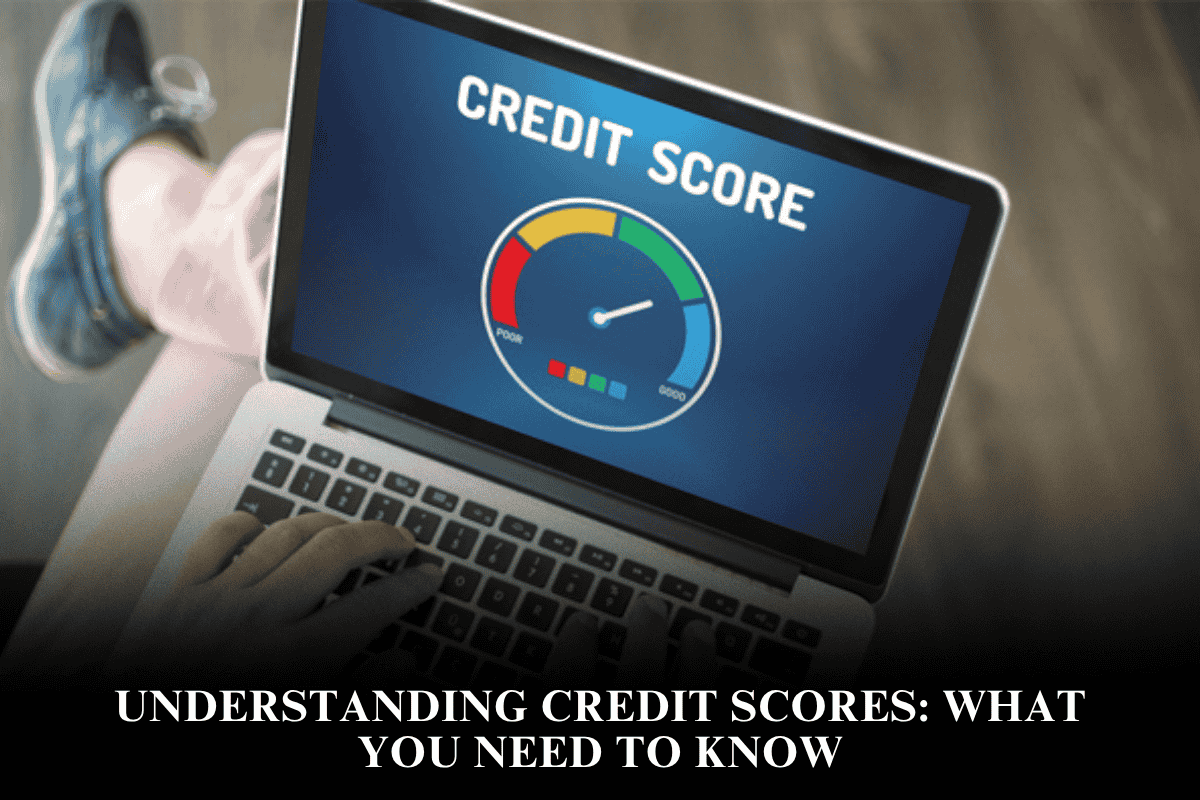
A credit score is a numerical expression that represents your creditworthiness, reflecting how likely you are to repay borrowed money on time. It’s a key factor lenders use to determine whether to approve loans, credit cards, or mortgages and influences the interest rates and credit limits offered.
Components of a Credit Score
- Payment History (35%)
This is the most important factor. It tracks whether you’ve paid your bills on time, including credit cards, loans, mortgages, and if you’ve had collections, bankruptcies, or foreclosures. - Amounts Owed (30%)
This factor considers your total outstanding debt and credit utilization ratio—the percentage of your available credit that you are using. Lower utilization is better for your score. - Length of Credit History (15%)
The length of time you’ve had credit accounts, including the age of your oldest and newest accounts, affects your score positively. - Credit Mix (10%)
Having a healthy mixture of credit types, such as credit cards, retail accounts, installment loans, and mortgages, can boost your score. - New Credit Inquiries (10%)
Opening many new credit accounts in a short time can lower your score as it may indicate higher risk.
Why Credit Scores Matter
- Loan Approval: A good score increases your chances of getting credit approved.
- Interest Rates: Higher scores qualify for better interest rates, saving money over time.
- Credit Limits: Lenders may offer higher credit limits to those with strong credit.
- Housing and Employment: Some landlords and employers check credit scores as part of their screening.
How to Check and Improve Your Credit Score
- Check your credit report regularly for errors and accuracy.
- Always pay bills on time to build a positive payment history.
- Keep credit card balances low relative to your limits.
- Avoid opening unnecessary new accounts.
- Maintain a diverse credit portfolio over time.
FAQs
Q1: What is a good credit score range?
A1: Generally, a score above 700 is considered good, and above 750 is excellent, improving loan and credit opportunities.
Q2: How often should I check my credit score?
A2: At least once a year or before applying for significant credit like a mortgage or car loan.
Q3: Can missing one payment damage my score?
A3: Yes, late or missed payments negatively impact your score significantly.
Q4: Does closing old accounts hurt credit scores?
A4: It can, because it may reduce your overall credit history length and credit availability.
Q5: How long does bad credit affect the score?
A5: Negative marks like late payments or bankruptcy can stay on reports for 7-10 years but their impact lessens over time.