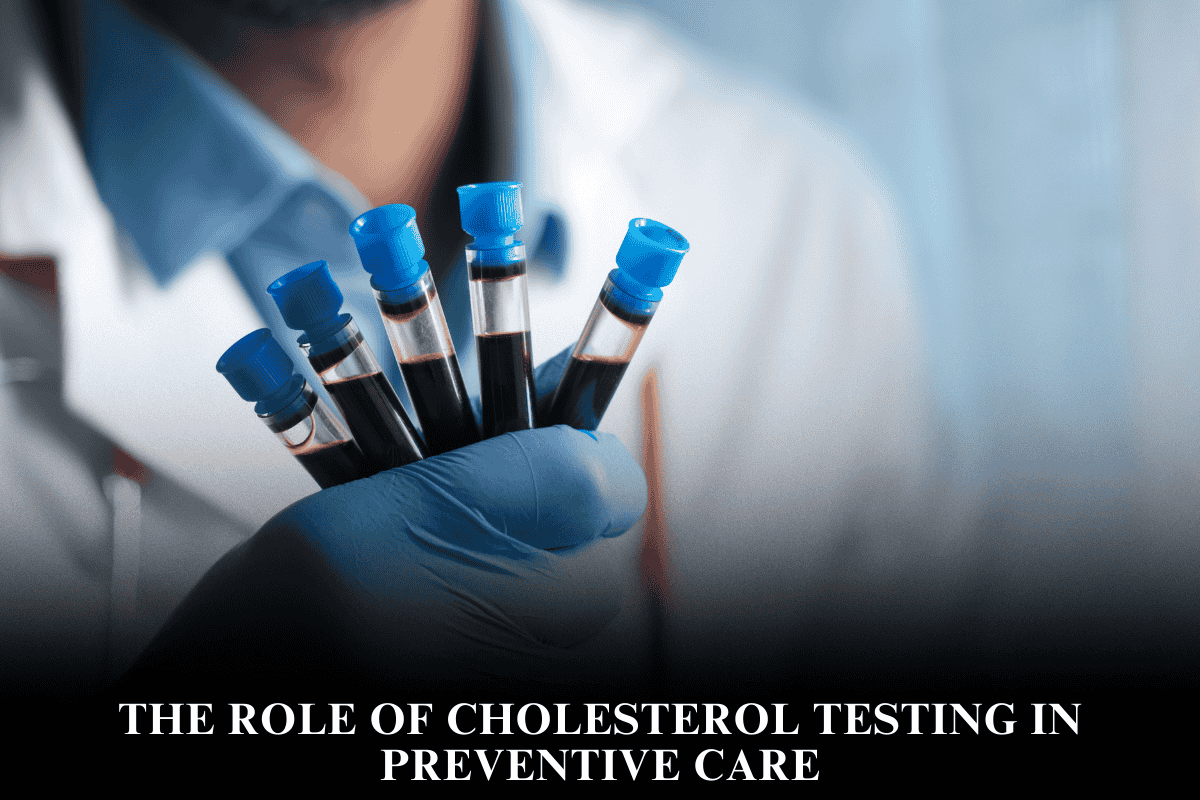
Cholesterol testing plays a crucial role in preventive care by identifying individuals at risk for atherosclerotic cardiovascular disease (ASCVD), enabling early intervention to reduce heart attacks, strokes, and mortality. Regular monitoring helps stratify patients by risk level—low to extremely high—based on cholesterol values and clinical factors, guiding tailored treatment including lifestyle modification and lipid-lowering therapies. Early detection through testing improves treatment adherence and outcomes by setting clear LDL-C goals for each risk group.
Importance and Purpose of Cholesterol Testing
Cholesterol tests measure total cholesterol, LDL (bad cholesterol), HDL (good cholesterol), and triglycerides in the blood. Elevated LDL cholesterol is the primary contributor to the buildup of arterial plaque leading to cardiovascular events. Testing is recommended routinely every 4 to 6 years for adults starting at age 20, with more frequent assessments for those with risk factors like diabetes, family history, or existing heart disease. Children aged 9 to 11 should also be screened once to catch early familial hypercholesterolemia.
Risk Stratification and Treatment Goals
Patients are classified into five risk categories: low, moderate, high, very high, and extremely high, with corresponding LDL-C targets ranging from below 130 mg/dL in low risk to below 55 mg/dL in extremely high risk cases (secondary prevention with confirmed ASCVD). Non-HDL-C goals are set 30 mg/dL higher than LDL targets. High-risk patients benefit from prompt lipid-lowering therapy combined with lifestyle changes for optimal cardiovascular risk reduction. Low to moderate risk individuals primarily focus on lifestyle changes before considering medication.
Clinical Pathway and Follow-up
The clinical pathway encourages early identification of high-risk conditions during routine health checks. For severe hypercholesterolemia, genetic testing may be employed. Follow-ups ensure patients reach LDL-C targets and adjust treatments as needed. This standardized monitoring supports long-term patient adherence and continuous risk reduction, significantly lowering rates of coronary death and major cardiovascular events.
FAQs
Who should get cholesterol tested?
Adults over 20 every 4-6 years; more often if risk factors or heart disease exist; children 9-11 once, earlier if family history.
What do cholesterol levels indicate?
LDL indicates cardiovascular risk; HDL is protective; triglycerides point to metabolic health.
How are treatment goals personalized?
Based on risk category, LDL targets range from <130 to <55 mg/dL.
What happens if cholesterol is too high?
Lifestyle modifications first; statins or other lipid-lowering drugs if needed.
Can cholesterol testing prevent heart disease?
Yes, by enabling early detection and management of risk factors.