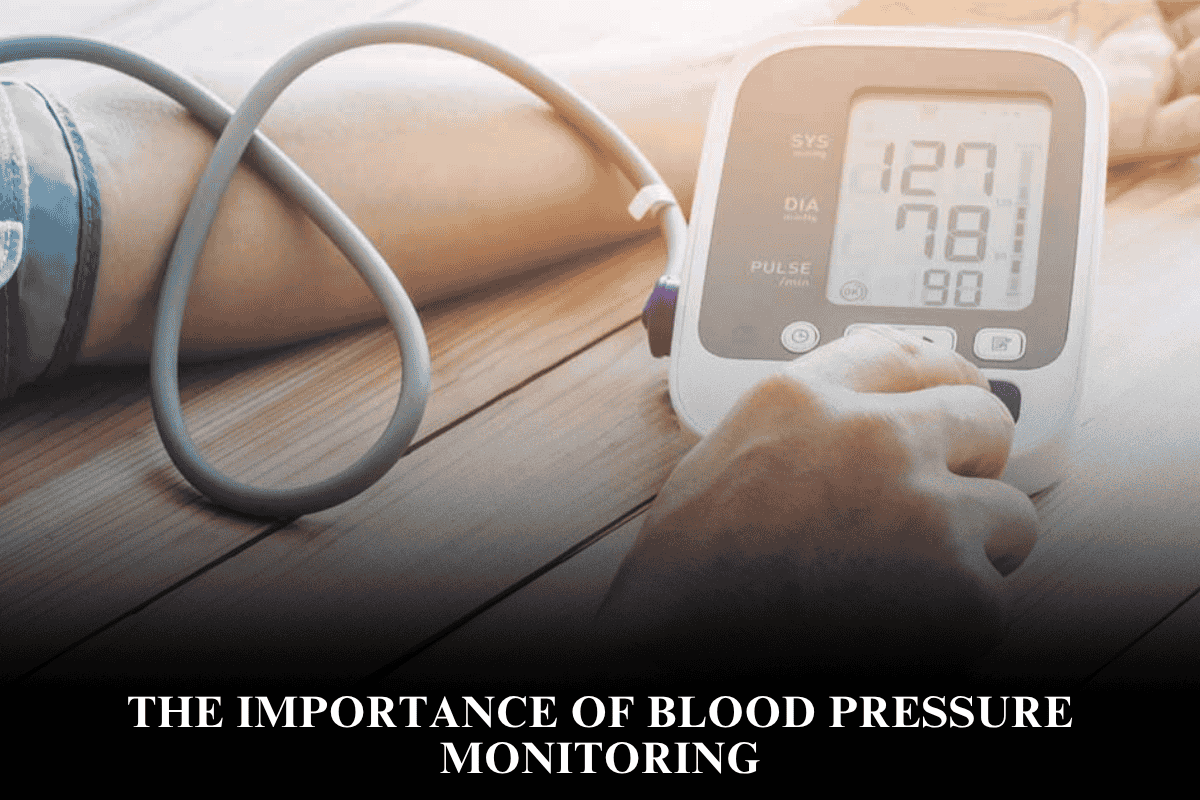
Regular monitoring of blood pressure is a crucial component of maintaining cardiovascular health and preventing serious health complications such as heart disease, stroke, kidney problems, and more. Often called the “silent killer,” hypertension can go unnoticed without symptoms, making blood pressure checks essential for early detection and management.
Why Blood Pressure Monitoring Matters
- Early Detection of Hypertension:
Many people have high blood pressure without realizing it. Routine monitoring helps identify elevated blood pressure early, allowing for timely intervention before it causes lasting damage. - Prevention of Heart Disease and Stroke:
High blood pressure strains the heart and damages arteries, increasing risks of heart attack and stroke. Monitoring helps maintain blood pressure within a healthy range to prevent these outcomes. - Protecting Kidney and Brain Health:
High blood pressure can impair kidney function and increase risks of cognitive decline. Keeping blood pressure in check supports these vital organs. - Tracking Treatment Effectiveness:
People diagnosed with hypertension or related conditions use monitoring to see if medications and lifestyle changes are working, guiding healthcare providers in adjusting therapies as needed. - Empowerment and Motivation:
Regular home monitoring gives individuals control, encourages healthy behaviors, and improves compliance with medical advice.
Who Should Monitor?
- All adults, especially those over 18, should monitor regularly.
- People with risk factors like family history, obesity, diabetes, and pregnancy require closer monitoring.
FAQs
Q1: How often should I check my blood pressure?
A1: At least once a year for healthy adults; more frequently if you have risk factors or existing hypertension.
Q2: Can I monitor blood pressure at home?
A2: Yes, home blood pressure monitors are recommended for ongoing management and early detection.
Q3: What does a normal blood pressure reading look like?
A3: Generally, below 120/80 mm Hg is optimal. Readings above 130/80 may indicate hypertension.
Q4: What should I do if my reading is high?
A4: Consult a healthcare professional for assessment, lifestyle advice, or medication adjustments.
Q5: How does blood pressure monitoring improve health outcomes?
A5: It enables early diagnosis, treatment adjustments, reduces complications, and supports long-term wellness.