Families face unique financial pressures from education, healthcare, and emergencies, but strategic habits like automating savings and building buffers create lasting security. Prioritizing these steps ensures protection against inflation and life’s curveballs while funding dreams like college or vacations.
Build an Emergency Fund First
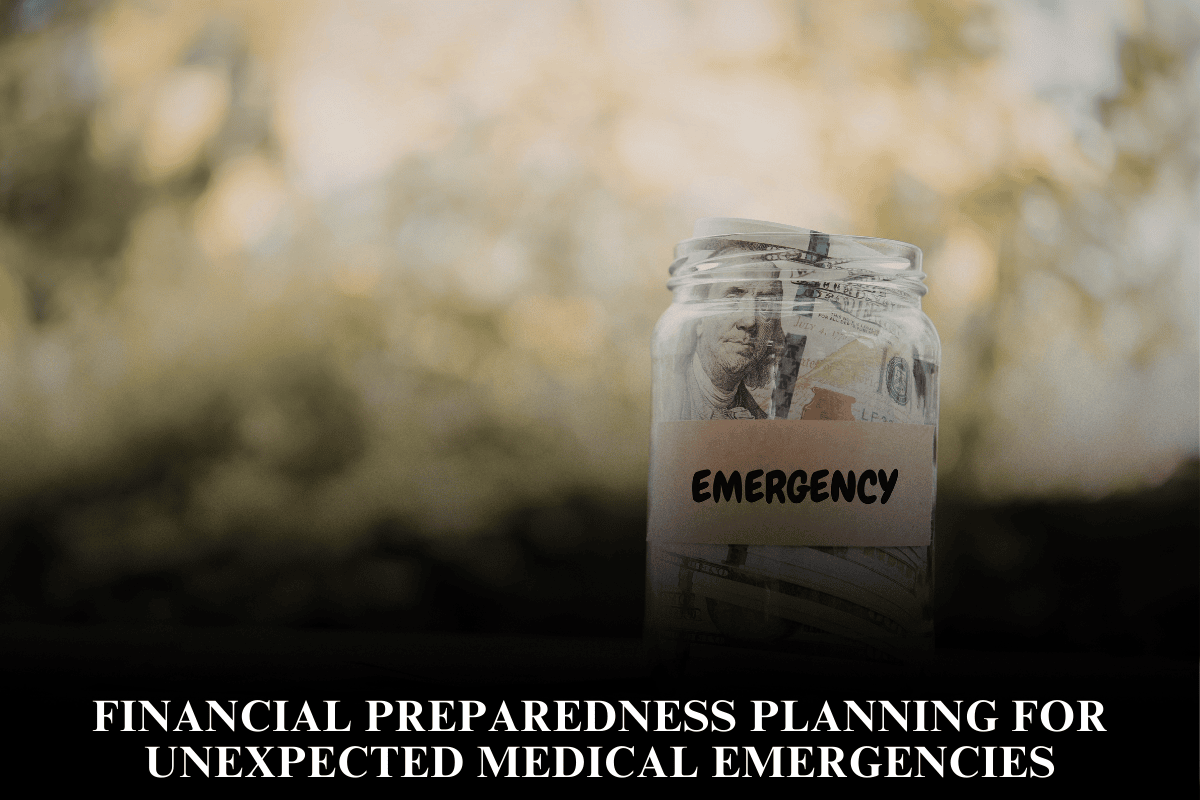
Aim for 3-6 months of living expenses in a high-yield savings account—$12,000-$24,000 for a $4,000 monthly budget—to cover job loss, repairs, or medical bills without debt. Automate transfers from paychecks; start small with $25-50 weekly, scaling as income grows. Families with single earners or kids target the higher end.
Master Budgeting and Automation
Track income post-taxes against essentials like rent, groceries, and school fees using the 20:30:50 rule: 20% investments, 30% long-term goals, 50% living costs. Cut subscriptions and involve teens in challenges to save $500 yearly. Auto-debit SIPs or 529 plans on payday enforces discipline—$5,000 monthly at 12% yields over $35 lakh in 20 years.
Secure Insurance and Debt Protection
Update term life and health coverage to match income changes; add dependent care FSAs for childcare up to $5,000 pretax annually. Pay high-interest debts first, parking bonuses in short-term debt funds for vacations rather than long-term pots.
Plan for Education and Retirement
Start 529 plans early—$100 monthly from birth at 5% grows to $35,000 by age 18 via compounding. Shift to age-based portfolios: aggressive growth young, conservative near college. Max employer retirement matches as free money.
Review and Diversify Annually
Assess progress yearly: simplify portfolios, explore green bonds or ETFs, and teach kids via allowances. Tools like calculators refine goals, ensuring adaptability.
These moves compound into family wealth, reducing stress amid rising costs.
FAQ
How much for an emergency fund?
3-6 months expenses; $12K-$24K for average families.
Best starter savings vehicle?
High-yield account or 529 for college; automate transfers.
Insurance priorities?
Life, health, and dependent FSAs covering 10x income.
College savings timeline?
Birth onward; $100/month beats late starts dramatically.
Review frequency?
Annually or after life events like births.