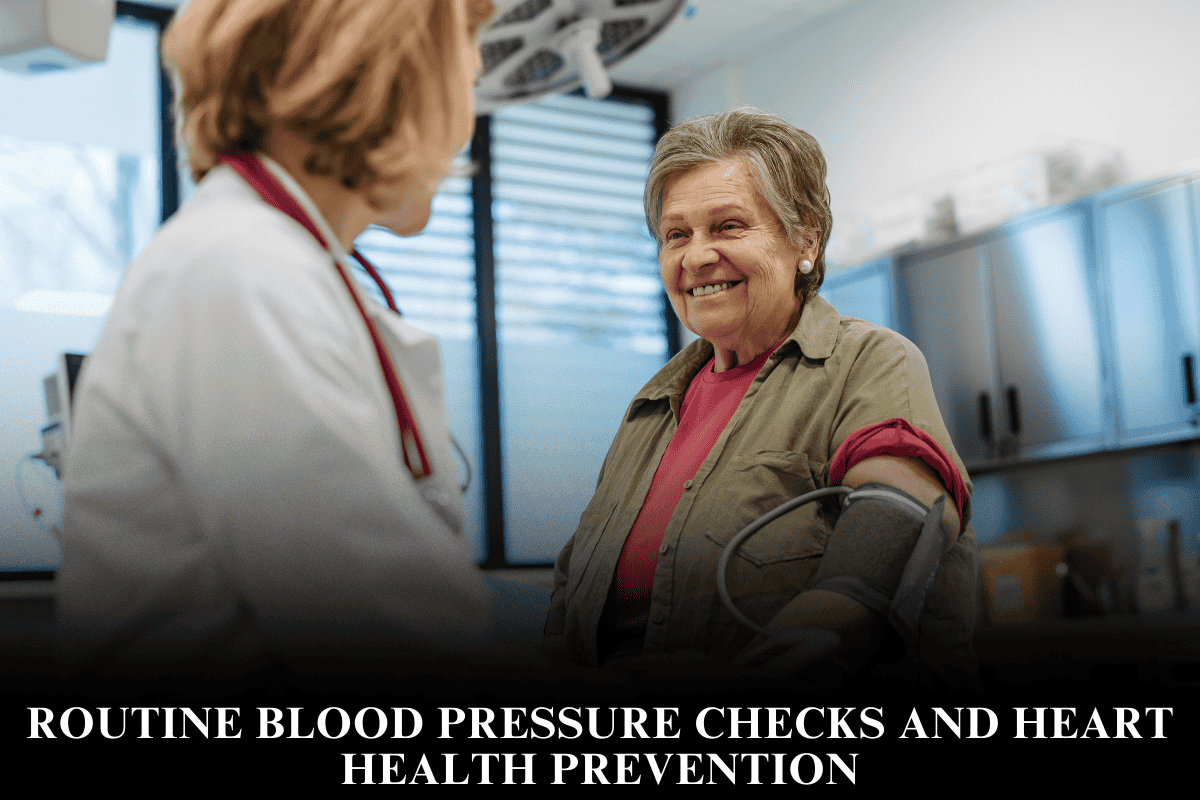
Routine blood pressure checks serve as a frontline defense in heart health prevention, catching silent hypertension early to avert strokes, heart attacks, and kidney damage. In the US, where 47% of adults have high blood pressure, regular monitoring empowers proactive lifestyle tweaks and treatments, potentially slashing cardiovascular risks by 30-40%.
Why Routine Checks Matter
Hypertension often lacks symptoms, earning its “silent killer” label, yet it strains arteries and the heart over time. The American Heart Association urges annual checks for those under 120/80 mm Hg, escalating to every visit for elevated readings, as even mild highs signal future trouble.
A 5 mm Hg systolic drop cuts major events by 10%, including strokes by 13% and heart failure by 13%, per meta-analyses of hundreds of thousands. Early detection via office or home methods prevents end-organ damage, guiding interventions before crises hit.
Proper Screening Methods
USPSTF recommends office blood pressure measurement (OBPM) for adults 18+, using validated cuffs on the upper arm after 5 minutes’ rest, seated, arm at heart level. Confirm highs with ambulatory (24-hour) or home monitoring to rule out white-coat spikes.
Home devices shine for tracking: measure twice daily, same times, avoiding caffeine or exercise beforehand. Adults 40+ or at risk (family history, obesity) need annual screens; hypertensives follow provider schedules.
Prevention Through Monitoring
Consistent checks enable tweaks like DASH diets (rich in potassium), 150 minutes weekly exercise, and sodium cuts under 2,300 mg daily, dropping pressure 5-10 mm Hg. Meds like ACE inhibitors amplify gains when paired with logs.
SPRINT trial data shows targeting <130 systolic saves lives across demographics, curbing dementia risk by 20% too. Logging trends spots patterns, like stress spikes, for tailored fixes.
Real-Life Impacts
Communities with free pharmacy kiosks see 20% more controlled cases; apps gamify tracking for adherence. For pregnant individuals or chronic illness patients, prenatal/regular screens prevent preeclampsia or compounded risks.
Barriers like access fade with telehealth and affordable cuffs (<$50), yielding $3-5 ROI per dollar via fewer ER visits. Equity improves as underserved groups catch issues early.
Overcoming Common Hurdles
Cuff fit matters—too small inflates readings 10-50 points. “Masked” hypertension (normal office, high home) affects 15%, so dual methods confirm. Educate via AHA resources; involve family for reminders.
Sustained habits turn checks into lifelines, with 30% event reductions mirroring smoking cessation gains. Start today: pharmacies, clinics, or home for baselines.
FAQs
1. How often should I check?
Yearly if normal; more for ages 40+, risks, or highs—per AHA/USPSTF.
2. Home vs. office—which is best?
Office screens first; confirm with home/ambulatory for accuracy.
3. Can checks alone prevent issues?
They flag risks for action—diet, exercise drop pressure 5-20 mm Hg.
4. What’s a healthy reading?
<120/80 mm Hg ideal; 120-129/<80 elevated; 130+/80+ hypertension.
5. Benefits beyond heart health?
Lowers stroke, kidney failure, dementia risks by 13-20%.