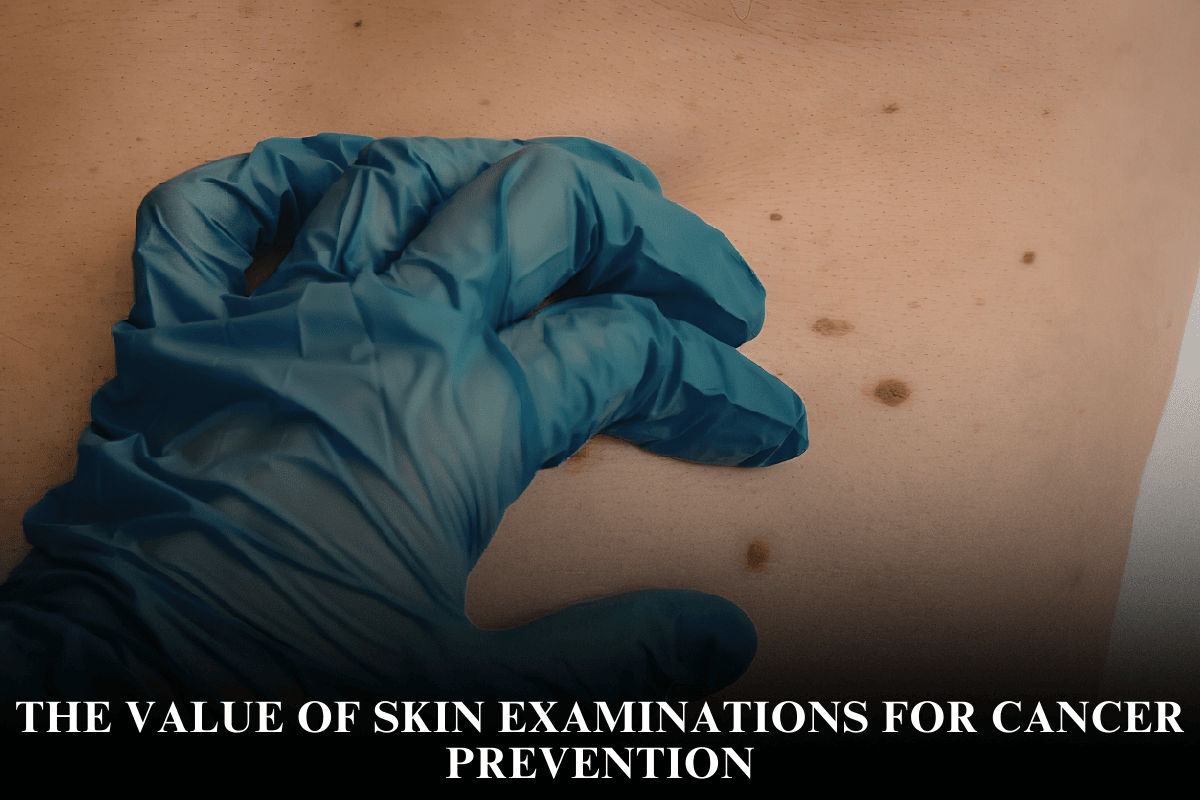
Preventive screenings are vital tools in managing chronic diseases like diabetes, cancer, and heart disease in the US, enabling early detection to curb progression and cut healthcare costs.
With chronic conditions affecting 6 in 10 adults and driving $4.1 trillion in annual spending, USPSTF-backed screenings ensure timely interventions, improving outcomes and quality of life. This article details key screenings, benefits, and strategies for US populations.
Core Screening Guidelines
The USPSTF recommends screenings tailored by age, sex, and risk: biennial mammography for breast cancer in women 50-74, colorectal cancer checks (fecal tests, sigmoidoscopy, or colonoscopy) for adults 50-75, and blood pressure monitoring for all adults to catch hypertension early.
Diabetes screening targets asymptomatic adults with BP over 135/80 mmHg, while lipid checks apply to men 35+ and high-risk women, preventing cardiovascular events. Osteoporosis screening for women 65+ and those under 65 with fracture risk uses DEXA scans.
Chronic Disease Focus
For diabetes, A1C or glucose tests identify prediabetes in overweight adults 35-70, allowing lifestyle changes to avert type 2 onset—crucial as 96 million Americans have prediabetes.
Cancer screenings like Pap/HPV for cervical cancer (women 21-65) and lung CT for smokers 50-80 slash mortality by 20-50% via early intervention. Cardiovascular risks prompt aspirin use in select 45-79-year-olds when benefits outweigh bleeding risks, alongside HIV and depression screenings for holistic management.
Access and Coverage
ACA mandates no-cost preventive services for 150 million insured Americans, covering USPSTF A/B recommendations like colorectal and hypertension screenings starting 2026 for updates.
Medicare Part B fully funds mammograms, colonoscopies, and bone density tests; Medicaid expands access in 40 states. Community health centers and employer wellness programs bridge gaps, with 2026 emphasizing annual checkups for early detection amid rising chronic burdens.
Benefits and Evidence
Screenings yield high ROI: colorectal tests prevent 32,000 deaths yearly, while blood pressure checks avert 48,000 heart events. Early diabetes detection via screening halves complications like kidney failure; obesity assessments in kids 6+ lead to counseling that curbs lifelong risks. In 2026, focus on family history integration boosts personalization, reducing hospitalizations by 20-30% in proactive groups.
Implementation Challenges
Barriers include low uptake (only 65% get colorectal screens) due to access deserts, fear, or misinformation, hitting rural and minority groups hardest. MIPS quality measures track depression and preventive care delivery, incentivizing providers. Telehealth and AI reminders in 2026 enhance reach, but education campaigns are key to 80% adherence goals.
Future Directions
Healthy People 2030 targets 75% screening rates for cancers and diabetes, integrating genomics for BRCA testing in high-risk women. Wearables monitoring vitals complement traditional tests, promising precision prevention. Sustained policy support ensures equity, potentially saving $180 billion yearly in chronic care.
FAQs
1. Who needs colorectal cancer screening?
Adults 50-75, via fecal tests, sigmoidoscopy, or colonoscopy to detect precancerous polyps early.
2. When should blood pressure be screened?
All adults routinely, especially those with elevated readings over 135/80 mmHg for hypertension management.
3. Are screenings free under insurance?
Yes, ACA covers USPSTF A/B recommendations at no cost; Medicare funds key tests like mammograms.
4. How does early diabetes screening help?
Identifies prediabetes in at-risk adults, enabling interventions to prevent type 2 progression.
5. What about cancer screenings by age?
Mammograms 50-74 (women), cervical 21-65, lung CT for 50-80 smokers per guidelines.