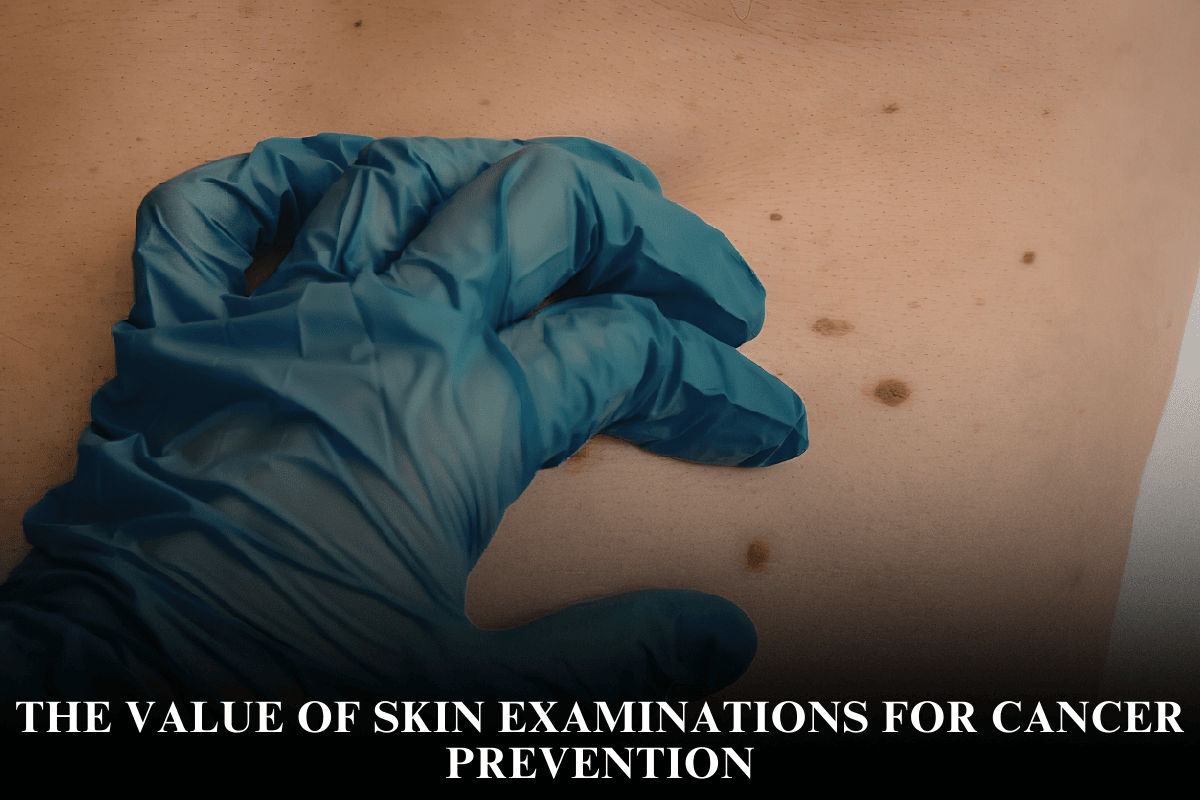
Preventive healthcare is a proactive approach to maintaining health by detecting diseases early, often before symptoms appear, thus significantly improving outcomes and saving lives. This article explores the principles and benefits of early detection in preventive care.
What is Preventive Healthcare?
Preventive healthcare focuses on measures to prevent illnesses or detect them at an early, more treatable stage. It includes health screenings, vaccinations, lifestyle counseling, and risk assessments designed to identify health problems before they become severe. Early intervention can delay or avoid serious complications, reduce disease burden, and enhance quality of life.
The Life-Saving Impact of Early Detection
Early detection is critical because many diseases, such as cancers, heart disease, and diabetes, develop silently. Regular screenings like mammograms, colonoscopies, blood pressure checks, and blood tests catch diseases at an initial stage, when treatments are more effective and less invasive. For example, early-stage breast cancer has a five-year survival rate of about 98%, compared to 26% when diagnosed late.
Economic Benefits of Preventive Care
By diagnosing diseases early, preventive care reduces long-term healthcare costs. Treating advanced diseases often requires costly hospital stays, surgeries, and complex medication regimens. In contrast, managing conditions early typically demands less intensive interventions, lowering the financial burden on patients and healthcare systems. For instance, a sudden cardiac arrest hospitalization costs approximately $24,500, highlighting the savings possible through early heart disease detection and prevention.
Preventive Measures Beyond Screening
In addition to screenings, preventive healthcare encompasses lifestyle modifications like healthy diets, regular exercise, smoking cessation, and stress management. Education about symptoms and risk factors empowers individuals to seek timely medical care. Public health initiatives also promote vaccinations and awareness campaigns that prevent diseases and support early diagnosis.
Barriers and Solutions
Despite the benefits, many people delay or avoid preventive care due to fear, lack of awareness, or cost concerns. Increasing access to screening programs, improving health literacy, and offering affordable care can overcome these barriers. Advanced technologies such as digital health tools and biomarkers are enhancing early disease detection capabilities, making preventive care more effective and accessible.
Frequently Asked Questions (FAQ)
Q: Why is early detection important?
A: Early detection allows diseases to be treated when they are most manageable, improving survival rates, reducing complications, and lowering treatment costs.
Q: What diseases can preventive healthcare detect early?
A: Cancer, cardiovascular diseases, diabetes, hypertension, and some chronic conditions can be detected early through routine screenings and tests.
Q: How often should I undergo preventive screenings?
A: Screening frequency varies by age, gender, family history, and risk factors. Consult your healthcare provider for a personalized plan.
Q: What role does lifestyle play in prevention?
A: Healthy lifestyle choices like balanced diet, regular physical activity, avoiding tobacco and excessive alcohol significantly lower disease risk and improve overall health.
Q: Are preventive screenings cost-effective?
A: Yes, they reduce the need for expensive treatments by catching diseases early, resulting in substantial healthcare savings.
Preventive healthcare and early disease detection are fundamental to saving lives and reducing healthcare costs. Regular screenings, health education, and proactive lifestyle changes enable timely intervention and better health outcomes. Embracing preventive care fosters a healthier, more resilient society by addressing illnesses before they become serious or life-threatening.