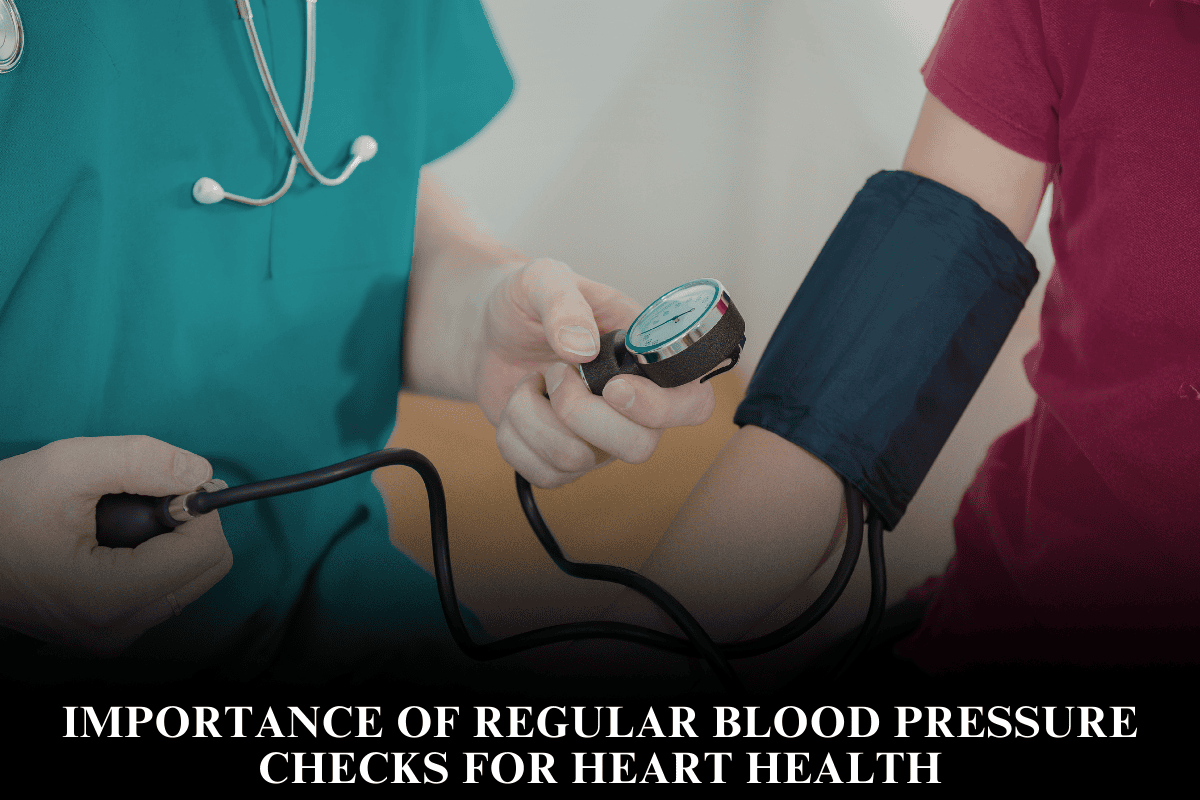
Regular blood pressure checks serve as a frontline defense against hypertension, a silent condition affecting nearly half of U.S. adults that strains the heart and vessels over time. Early detection through routine monitoring prevents complications like heart attacks, strokes, and kidney damage by enabling timely lifestyle changes or treatments.
Consistent tracking empowers individuals to maintain optimal levels below 120/80 mmHg, safeguarding long-term cardiovascular wellness.
Why Monitoring Matters
Hypertension often presents no symptoms, earning its “silent killer” status as it gradually thickens artery walls and burdens the heart. Routine checks catch elevations early, when interventions like diet tweaks or medications prove most effective in reversing damage. Studies show regular screenings reduce cardiovascular events by 30-40%, including memory decline risks tied to poor circulation.
Recommended Check Frequencies
Adults under 40 with normal readings need checks every two years, while those 40-60 require annual visits; over 60 demands twice-yearly or more if borderline. High-risk groups—obese, smokers, diabetics, or family history—monitor monthly at home alongside doctor appointments. Pregnant individuals check at every prenatal visit to avert preeclampsia.
Home Monitoring Benefits
Affordable cuffs enable daily tracking, with averages over a week providing accurate baselines for physicians. The American Heart Association endorses validated devices, taken seated after 5-minute rests for reliability. Log trends via apps to spot patterns like morning surges signaling stiffness.
Lifestyle Ties to Control
Diet rich in potassium from bananas and spinach counters sodium; 150 minutes weekly exercise lowers systolic by 5-8 mmHg. Limit alcohol to one drink daily and quit smoking to ease vessel strain. Stress reduction through meditation sustains gains.
Risk Factors and Complications
Family history, age over 65, Black ethnicity, and inactivity elevate odds, with untreated cases doubling heart failure risks. Kidney strain leads to dialysis needs; vision loss from vessel bursts affects 1 in 10.
Long-Term Outcomes
Consistent control extends life expectancy by years, cutting stroke odds by 35%. Pharmacies and workplaces offer free stations, while wearables provide spot checks during daily routines.
FAQs
Q. How often should healthy adults check blood pressure?
Every 2 years under 40, annually after; more if risks present.
Q. What’s normal blood pressure range?
Below 120/80 mmHg; 120-129/<80 elevated; 130+/80+ hypertension.
Q. Can home monitors replace doctor visits?
No, but complement them; validate devices for accuracy.
Q. Does stress raise readings temporarily?
Yes, “white coat” effect common; average multiple for true values.
Q. What diet lowers blood pressure fastest?
DASH plan: fruits, veggies, low-fat dairy, reduced sodium under 2,300 mg daily.