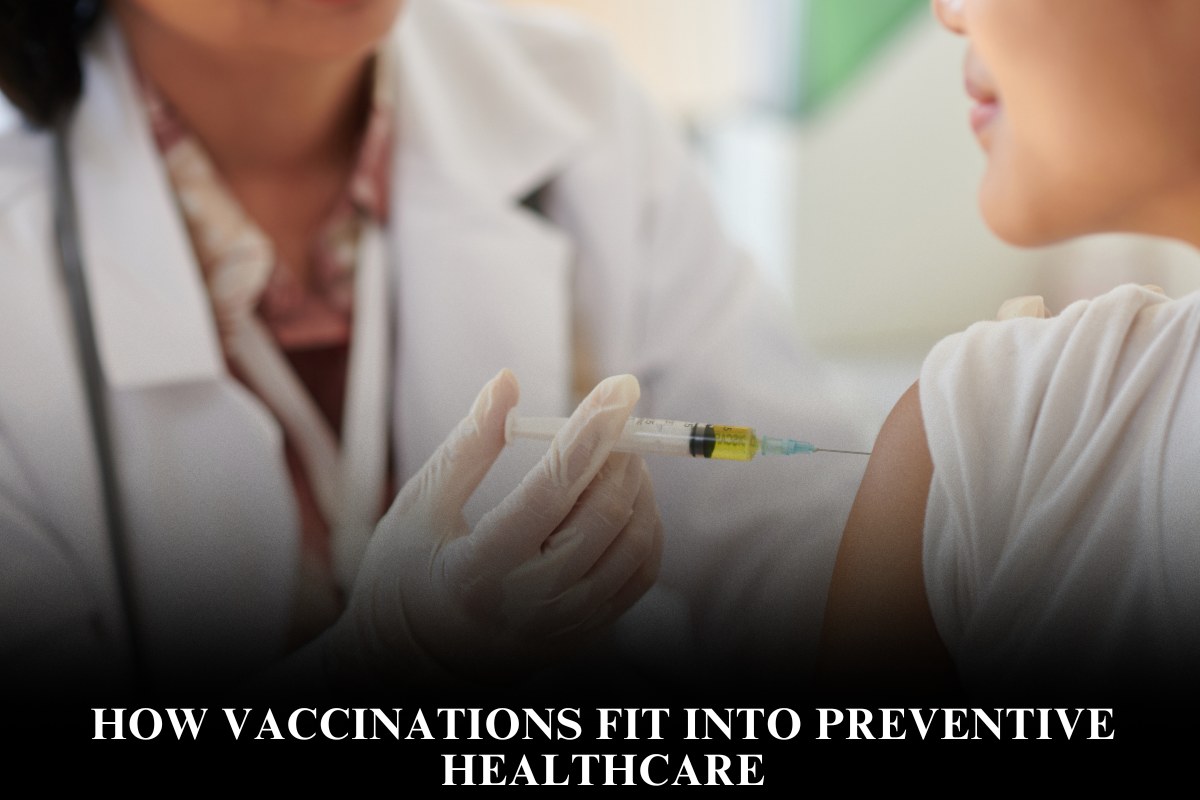
Vaccinations form the cornerstone of preventive healthcare in the United States, training the immune system to combat diseases before infection occurs. According to the CDC, routine childhood vaccinations for those born 1994–2023 have prevented about 508 million illnesses, 32 million hospitalizations, and over 1 million deaths.
Role in Preventive Healthcare
Preventive healthcare emphasizes stopping diseases early through measures like screenings and lifestyle changes, with vaccinations providing the most direct protection against infectious threats. They stimulate antibody production, creating immunity without causing illness, which aligns with U.S. public health goals under programs like Healthy People 2030. In the USA, the Affordable Care Act mandates no-cost coverage for recommended vaccines, ensuring broad access as a first-line defense.
This approach reduces healthcare burdens, as every dollar spent on childhood immunizations yields about $11 in economic savings from avoided treatments and productivity losses.
CDC Immunization Schedules
The CDC’s Advisory Committee on Immunization Practices (ACIP) develops schedules tailored by age, from birth through adulthood, covering diseases like measles, polio, HPV, and COVID-19. Updated in October 2025, the schedules incorporate individual decision-making for COVID-19 vaccines and standalone chickenpox shots for toddlers to minimize risks like febrile seizures.
Children receive 14 vaccines by age six, protecting against 15 diseases, while adults get boosters for tetanus, flu, and shingles. These guidelines, available on CDC.gov, guide providers during checkups to review histories and update protections.
Proven Life-Saving Impact
Vaccines have slashed U.S. disease rates dramatically; for instance, childhood immunizations from 1994–2018 prevented 419 million illnesses, 936,000 deaths, and $1.9 trillion in costs. COVID-19 vaccines alone averted over 5,000 in-hospital deaths, 13,000 ICU admissions, and 68,000 hospitalizations from October 2023 to April 2024, with highest benefits among those 65 and older.
Pre-pandemic, vaccines stopped about 50,000 adult deaths yearly from preventable diseases. Globally, efforts like these have saved 154 million lives over 50 years, with the U.S. contributing through robust programs.
Herd Immunity Benefits
Widespread vaccination creates herd immunity, shielding vulnerable groups like infants, elderly, and immunocompromised individuals who cannot vaccinate. High coverage—aiming for 95% for measles—prevents outbreaks, as seen with near-elimination of polio and rubella in the U.S.
This communal protection reduces workplace absenteeism; flu vaccines alone prevent 17 million missed workdays annually, saving employers $7 billion. It also curbs costs, with adult programs returning up to 19 times investment.
Economic and Workplace Advantages
Vaccinations lower healthcare spending by preventing expensive treatments for diseases like hepatitis or meningitis. U.S. employers promote on-site clinics to boost productivity and avoid disruptions from outbreaks.
The Vaccines for Children program ensures free access for uninsured kids, sustaining infrastructure via CDC funding. This preventive focus supports both individual health and national economy.
Challenges and Updates
Vaccine hesitancy, fueled by misinformation, has led to measles resurgences, prompting 2025 CDC shifts toward personalized recommendations. Safety monitoring via VAERS confirms rare serious side effects, far outweighed by benefits.
Ongoing trials refine schedules, like separating MMR and varicella vaccines, balancing efficacy with minimal risks.
Access and Policy Support
Federal policies like the National Immunization Program fund state-level delivery, emphasizing no copays for preventive services. Community outreach targets underserved areas to maintain high coverage.
Vaccinations integrate with broader preventive care, including diet and exercise, for holistic health.
In the USA, vaccinations exemplify preventive healthcare’s power, preventing millions of cases and fostering resilient communities. Sustained adherence to CDC schedules ensures ongoing protection.
Frequently Asked Questions (FAQs)
Q. What vaccines are recommended for U.S. children by the CDC?
The schedule includes DTaP, MMR, polio, varicella, hepatitis B, and others from birth to 18, preventing 15 diseases with updates like standalone chickenpox shots for toddlers.
Q. How many lives have U.S. vaccines saved recently?
Childhood vaccines from 1994–2023 prevented 508 million illnesses and 1 million deaths; COVID shots averted 5,000+ deaths in 2023–2024 alone.
Q. Are vaccines free under U.S. health plans?
Yes, the Affordable Care Act requires most plans to cover ACIP-recommended vaccines at no cost, including for Marketplace insurance.
Q. What is herd immunity and why does it matter in the USA?
It protects unvaccinated people when 95%+ are immune, preventing outbreaks of measles or flu and saving workplaces from disruptions.
Q. How do vaccinations save healthcare costs in America?
Every $1 on childhood shots returns $11; adult programs yield up to 19x investment by avoiding hospitalizations and lost productivity.