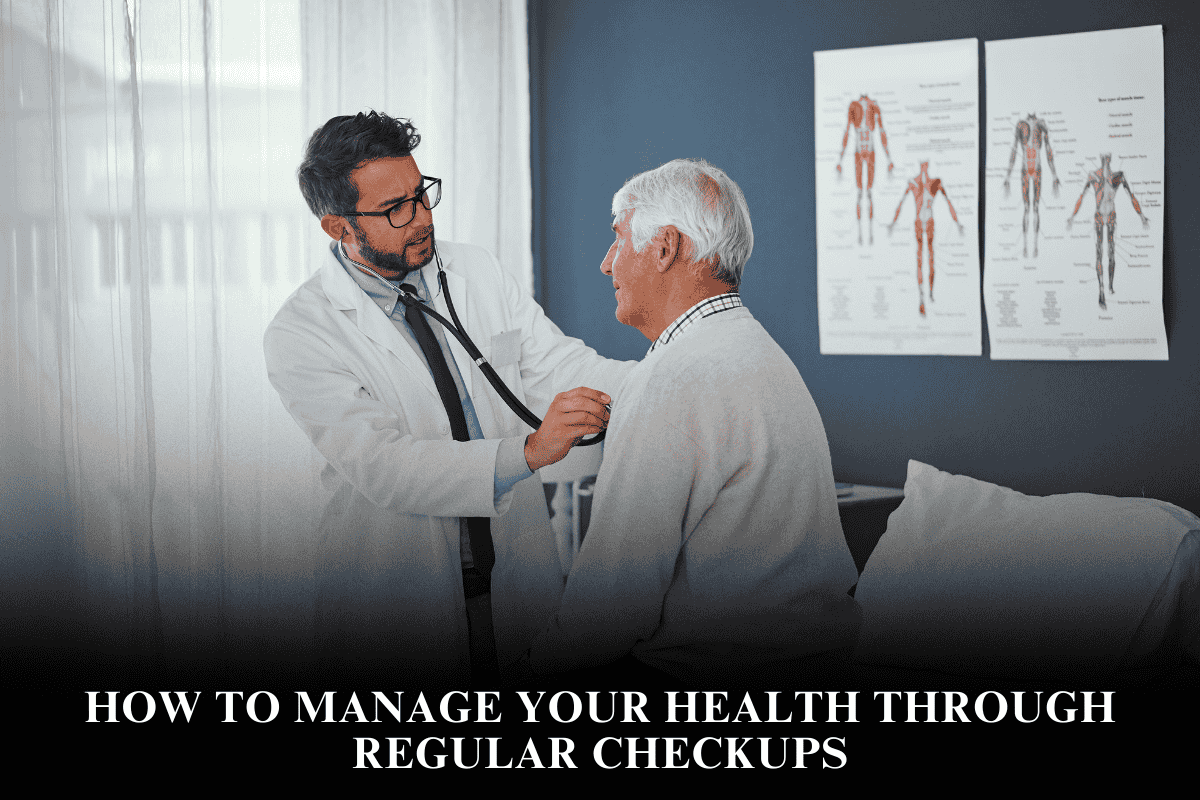
Regular checkups serve as proactive health management tools, detecting issues early to improve treatment success and prevent chronic diseases like diabetes or cancer. Tailored by age, family history, and lifestyle, they establish health baselines, monitor risks, and guide preventive actions, potentially cutting mortality by 45% with annual exams. Adults 20-40 might check every 1-3 years, ramping to yearly past 60.
Benefits of Routine Screening
Early detection identifies silent conditions—high cholesterol, prediabetes, or tumors—before symptoms arise, boosting survival rates and lowering costs via simple interventions. Checkups track chronic issues like hypertension, adjusting treatments to avert complications, while vaccinations and lifestyle counseling promote long-term wellness. Personalized plans emerge from results, fostering awareness and habit changes like better diet or exercise.
Recommended Checkups by Age and Risk
- 20s-30s: Blood pressure, cholesterol, BMI; Pap/HPV for women, baseline for men.
- 40s-50s: Add diabetes screening, mammograms (women 40+), colonoscopies (45+).
- 60+: Annual full panels, bone density, eye/heart exams.
- High-Risk: Family history prompts earlier/more frequent tests like colonoscopies at 40.
Consult providers for schedules matching personal factors.
Preparing for Your Checkup
Schedule when rested; compile medications, family history, and symptoms list beforehand. Fast if required for bloodwork; note lifestyle details like smoking or exercise for tailored advice. Bring questions on screenings or prevention.
Following Through Post-Visit
Act on recommendations—vaccines, follow-ups, or lifestyle tweaks—to maximize gains. Track results in apps or journals; share with specialists for coordinated care. Annual habits build proactive health culture, reducing anxiety over unknowns.
FAQ
How often do healthy adults need checkups?
Every 1-3 years ages 20-40, annually after 50 or with risks.
What if I feel fine?
Silent diseases like high cholesterol progress unnoticed; early catches save lives.
Are checkups covered by insurance?
Often yes for preventive services; confirm with provider.
Who needs more frequent visits?
Those with family history, chronic conditions, or over 60.
Can checkups prevent diseases?
They enable risk reduction via early intervention and lifestyle guidance.