After age 40 in the USA, routine health checkups become critical for early detection of conditions like cancer, heart disease, and diabetes, which risks rise significantly. Guidelines from organizations such as the USPSTF, CDC, and American Cancer Society emphasize personalized screenings based on factors like family history and lifestyle. Regular visits to primary care providers help establish baselines and catch issues before symptoms appear, potentially saving lives and reducing treatment costs.
Blood Pressure and Cholesterol Checks
Adults over 40 should monitor blood pressure annually if normal (under 120/80 mmHg), or more frequently if elevated, as hypertension silently damages arteries and raises stroke risk. Cholesterol screening via lipid panel is recommended every 4-6 years for low-risk individuals starting at age 40, or every 1-2 years if overweight, diabetic, or with family history of heart disease. These simple blood and cuff tests guide lifestyle changes or statins, preventing 80% of heart events per AHA standards.
Cancer Screenings: Breast, Cervical, and Colorectal
Women 40-49 need annual or biennial mammograms for breast cancer detection, as tumors found early have 99% five-year survival rates. Cervical cancer screening shifts to Pap/HPV co-testing every 5 years for ages 30-65, per ACS guidelines. Both men and women 45+ require colorectal screening—colonoscopy every 10 years preferred, or stool tests (FIT/FOBT) yearly—since this catches 90% of cases early when curable.
Diabetes and Prediabetes Screening
Starting at age 35-45, especially if BMI over 25 or with risk factors like gestational diabetes history, get fasting blood sugar or A1C tests every 3 years. Over 88 million U.S. adults have prediabetes, and early intervention via diet or metformin halves type 2 progression risk. Annual checks post-40 align with ADA recommendations for at-risk groups.
Bone Density, Eye, and Dental Exams
Women 40+ at risk (e.g., family history, low weight) should consider baseline DEXA scans for osteoporosis, repeating every 2 years if needed; men over 70 routinely. Comprehensive eye exams every 1-2 years detect glaucoma or diabetic retinopathy, while dental cleanings/exams twice yearly prevent gum disease linked to heart issues. Vision baselines at 40 catch age-related changes early.
Vaccinations and Mental Health Evaluations
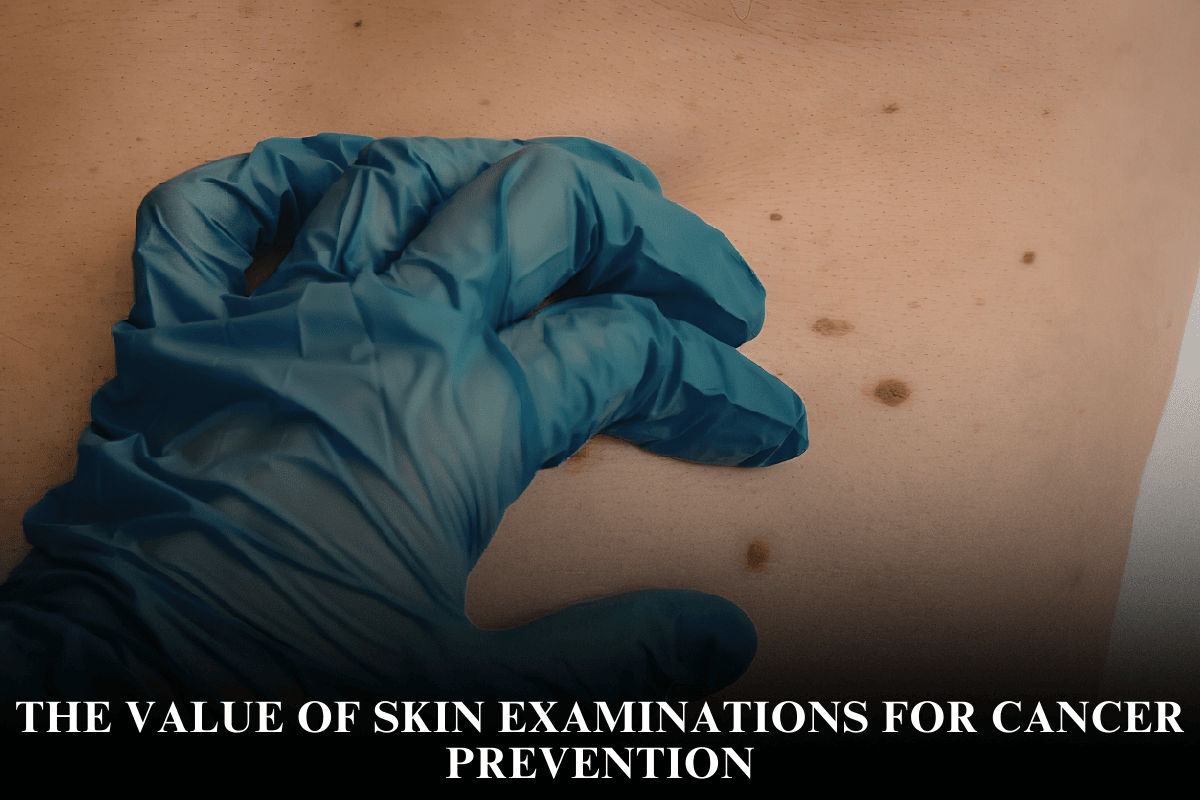
Update Tdap every 10 years, annual flu shots, and consider shingles (Shingrix, two doses post-50) or pneumococcal vaccines. Screen for depression/anxiety at routine visits using tools like PHQ-9, vital as midlife stressors peak. STI tests (HIV, syphilis) for sexually active adults, and skin checks yearly for melanoma.
Lifestyle Counseling and Additional Tests
Providers assess obesity (BMI), tobacco use, alcohol misuse, and diet/exercise during “welcoming exams.” Men 40+ may discuss PSA for prostate (shared decision post-50), while women evaluate BRCA if high-risk. Full-body skin exams annually spot changing moles.
Prioritizing these checkups aligns with ACA-covered preventive services (often free), empowering proactive health in America’s diverse population.
Frequently Asked Questions (FAQs)
1. At what age do U.S. guidelines recommend starting mammograms?
Annual screening from age 40 for average-risk women, per ACR and some ACS options; discuss biennial with your doctor based on density and history.
2. How often should colorectal cancer screening occur after 40?
Every 10 years via colonoscopy starting at 45 for average risk, or annual stool tests; earlier if family history.
3. Are these screenings free under U.S. insurance?
Yes, most ACA plans cover A/B recommendations (e.g., mammograms, colonoscopies) at no cost when in-network.
4. When should men over 40 get cholesterol checked?
Every 5 years if low risk; more often if diabetic, smoker, or hypertensive—starting at 35 for high-risk.
5. Do I need a bone density scan right at 40?
Baseline for at-risk women (e.g., postmenopausal early); routine for women 65+, men 70+, per USPSTF.