Community clinics across the U.S. provide free and low-cost health screenings to promote early detection and preventive care, serving millions regardless of insurance status.
Federally Qualified Health Centers (FQHCs), funded by HRSA, offer sliding-scale fees based on income, making services accessible in urban and rural areas. These programs catch issues like diabetes, cancer, and hypertension early, saving lives and costs.
Federally Qualified Health Centers (FQHCs)
FQHCs deliver comprehensive screenings—blood pressure, cholesterol, diabetes (A1C), cancer (mammograms, colonoscopies via referrals), and more—at no or low cost.
Over 1,400 centers with 15,000 sites nationwide prioritize underserved communities; eligibility often requires U.S. residency over six months and uninsured/low-income status. Use HRSA’s locator at findahealthcenter.hrsa.gov for nearby options.
Free Cancer Screening Programs
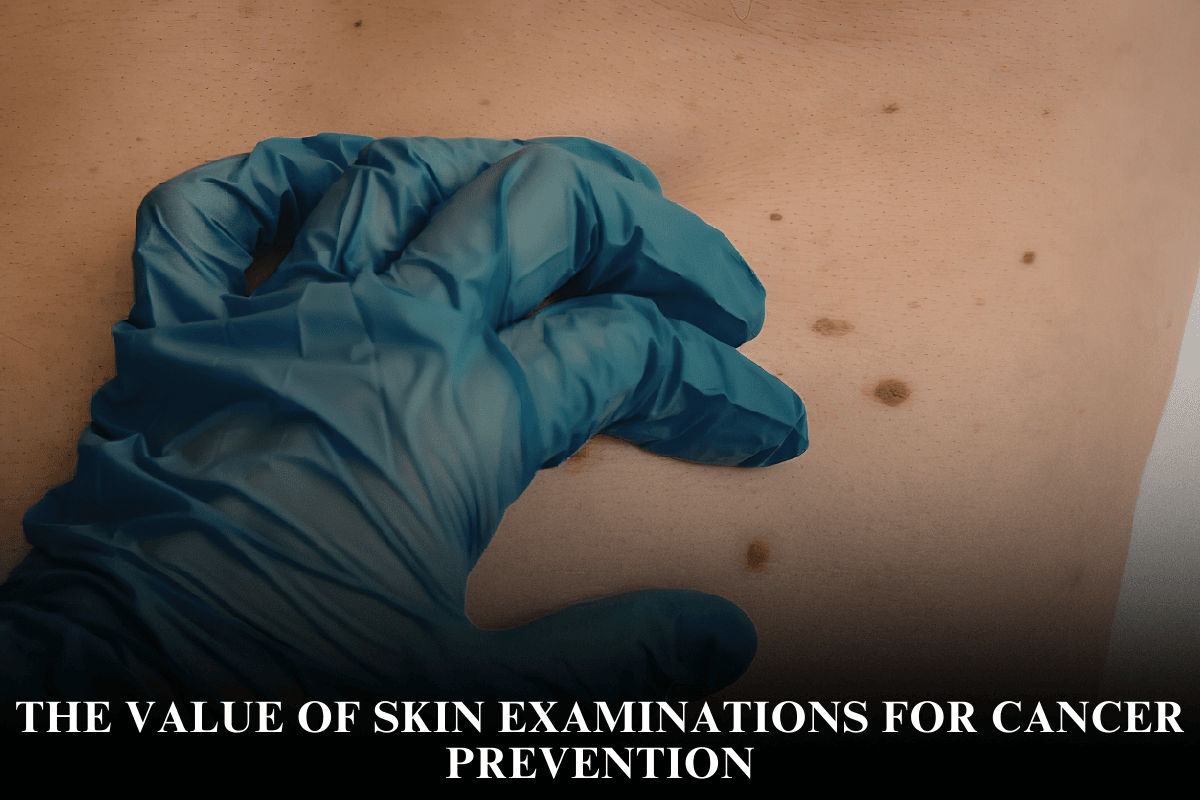
The National Cancer Institute’s National Breast and Cervical Cancer Early Detection Program (NBCCEDP) funds free mammograms, Pap smears, and HPV tests for uninsured women aged 21-64 at low income.
Prevent Cancer Foundation lists state-specific resources for colorectal, lung, and prostate screenings, including mobile units. Clinics partner with CDC for hepatitis and STI testing, often with vaccinations.
Heart and Chronic Disease Screenings
Heart Smart events by hospitals like TidalHealth offer free lipid profiles, EKGs, BMI, blood pressure, and glucose tests—fasting required, no cardiologist patients. FQHCs screen routinely for hypertension and diabetes; UPMC partners provide similar pop-ups nationwide. Vision/hearing tests at community sites aid seniors and kids.
Local and State Initiatives
Arlington Free Clinic (VA) gives uninsured adults exams, STI screenings, and cancer referrals. San Jose FQHCs like Valley Health Center offer TB, physicals, dental, and nutrition counseling. New Jersey’s FQHC map lists 211-accessible centers for primary care and mental health screenings. Call 211 or state health departments for pop-ups during American Heart Month (February).
How to Access Services
Search HRSA tool or 211.org; bring ID, proof of income/residency, insurance if any. Sliding scales cap fees at 2x Federal Poverty Guidelines (e.g., $30,000/year single). No citizenship required for many; walk-ins common, appointments preferred. Programs like MHA Screening connect to mental health evals.
FAQs
1. Who qualifies for free screenings at FQHCs?
Uninsured/low-income U.S. residents; use HRSA locator—no citizenship always required.
2. What cancer screenings are free?
Mammograms, Pap/HPV via NBCCEDP; colon/lung referrals at clinics.
3. How to find heart screenings?
Hospital events like TidalHealth or FQHC routine checks; call 211.
4. Do I need an appointment?
Preferred but walk-ins often accepted; bring income proof.
5. Are mental health screenings available?
Yes, via FQHCs or MHA tools for evals.