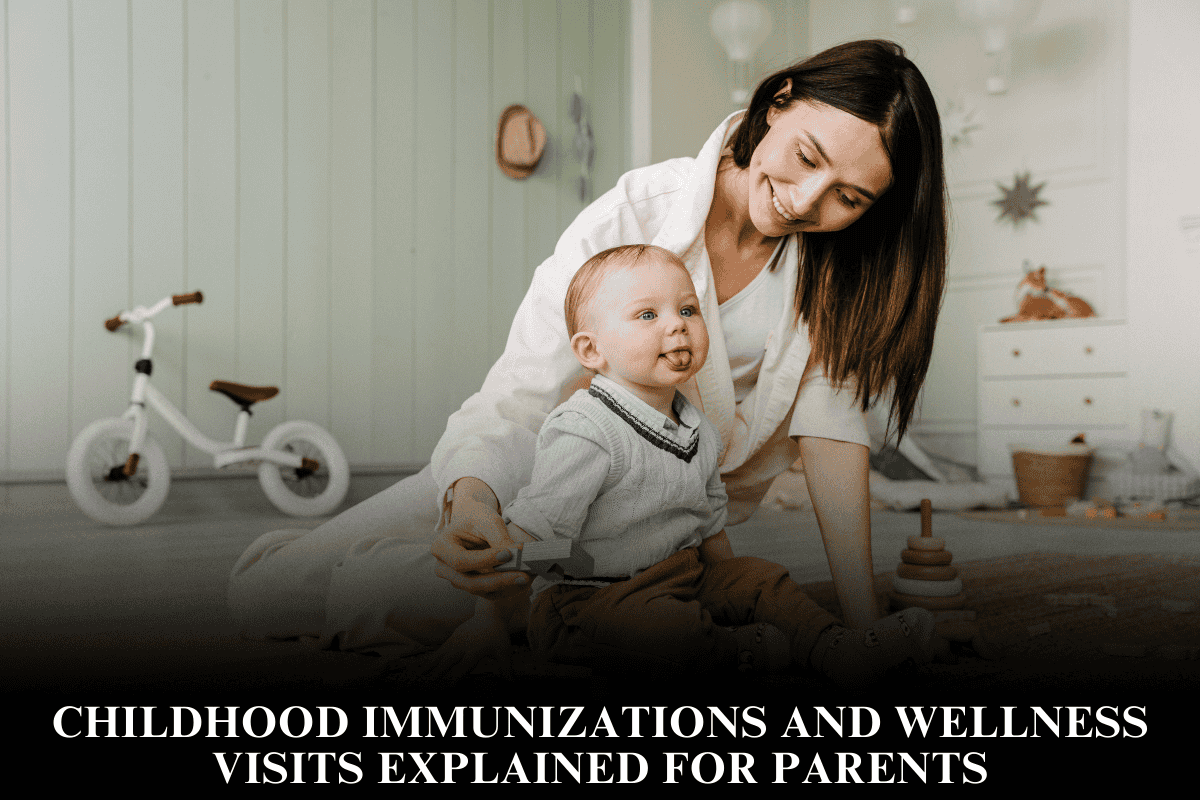
Childhood immunizations protect against 14 deadly diseases through a structured CDC schedule, while wellness visits monitor growth, development, and early interventions for optimal health.
The 2026 CDC updates categorize vaccines into three tiers: 11 core shots for all children (diphtheria, tetanus, pertussis, Hib, pneumococcal, polio, MMR, varicella, HPV, etc.), high-risk options (RSV, Hep A/B, meningococcal), and shared-decision vaccines (flu, COVID, rotavirus). Regular well-child checks from birth to age 21 ensure vaccinations stay current alongside screenings for vision, hearing, and milestones, preventing outbreaks and chronic issues.
Understanding the Immunization Schedule
The core schedule starts at birth with Hepatitis B, followed by DTaP, Hib, IPV, PCV, rotavirus (shared), and Hep B at 2 months, spacing doses to build immunity safely. By age 6, children receive MMR, varicella, and boosters; preteens get HPV (2-3 doses), Tdap, and meningococcal. Teens need annual flu and COVID discussions, with catch-up for delays.
High-risk vaccines like RSV monoclonal antibodies target infants in bronchiolitis hotspots; Hep A for travel/daycare. Shared decisions weigh flu/COVID benefits amid community rates. Delays risk whooping cough surges, down 99% via vaccines.
Importance of Timely Vaccinations
Vaccines prevent 4 million deaths yearly globally; U.S. kids avoid measles (dropped 99.9%) and Hib meningitis via herd immunity protecting newborns. Unvaccinated children face 35x higher pertussis risk, hospitalizing 1 in 100 infants. Combination shots like Pediarix minimize pokes while maintaining efficacy.
Side effects—fever, soreness—resolve in days; serious reactions occur in 1 per million, far rarer than diseases. Aluminum adjuvants match breast milk exposure; no autism link per 20+ studies.
What Happens at Wellness Visits
Well-baby checks plot height/weight/BMI on CDC curves, screening for autism (M-CHAT at 18/24 months), developmental delays (ASQ), and lead exposure. Vision/hearing tests start at newborn; blood pressure from age 3. Oral health fluoride varnish applies from 6 months; anemia/iron checks at 12 months.
Anticipatory guidance covers sleep training, car seats, screen limits (none under 18 months), and nutrition—breastfeeding to 6 months solids. Mental health screens parents for postpartum depression.
Vaccine Hesitancy and Myths Addressed
Address fears: vaccines don’t overload immune systems (babies fight 1,000 germs daily); thimerosal removed since 2001. Schedule spacing allows catch-up without overload. Exemptions—medical, religious, philosophical—vary by state; outbreaks prompt temporary mandates.
Discuss concerns with pediatricians; V-safe app tracks side effects post-shot.
Catch-Up Schedules for Delays
Missed doses? CDC catch-up table restarts series without restarting—e.g., DTaP at 4 months if skipped 2-month. Teens bridge gaps pre-college. Free Vaccines for Children (VFC) program covers uninsured via 45,000 providers.
Pregnancy Tdap protects newborns; flu/COVID from 6 months.
Financing and Access Options
ACA mandates no-cost preventive visits/shots; Medicaid/CHIP insures 40 million kids. Vaccines for Children supplies $1.4B yearly free. School mandates enforce compliance, with grace periods.
Rural clinics and telehealth bridge gaps.
Preparing for Visits and Aftercare
Pack comfort items, schedule mornings to avoid crankiness. Post-vaccine: acetaminophen dosing, watch 15 minutes for rare anaphylaxis. Acetaminophen every 4-6 hours max 5 days; fever over 102°F or inconsolable crying warrants call.
State registries track records for school/camp.
FAQs
1. How many vaccines in the core 2026 schedule?
11 core for all kids (DTaP, Hib, PCV, IPV, MMR, varicella, HPV, etc.); high-risk/shared extras.
2. Are vaccines safe for newborns?
Yes; Hep B at birth prevents mother-child transmission; systems handle multiple antigens safely.
3. What if we miss a well-visit?
Catch-up anytime; growth charts adjust, vaccines resume without restarting series.
4. Do vaccines cause autism?
No; 20+ large studies debunk; timing coincidence with diagnosis age.
5. Are shots free for uninsured kids?
Yes via VFC program at participating providers.