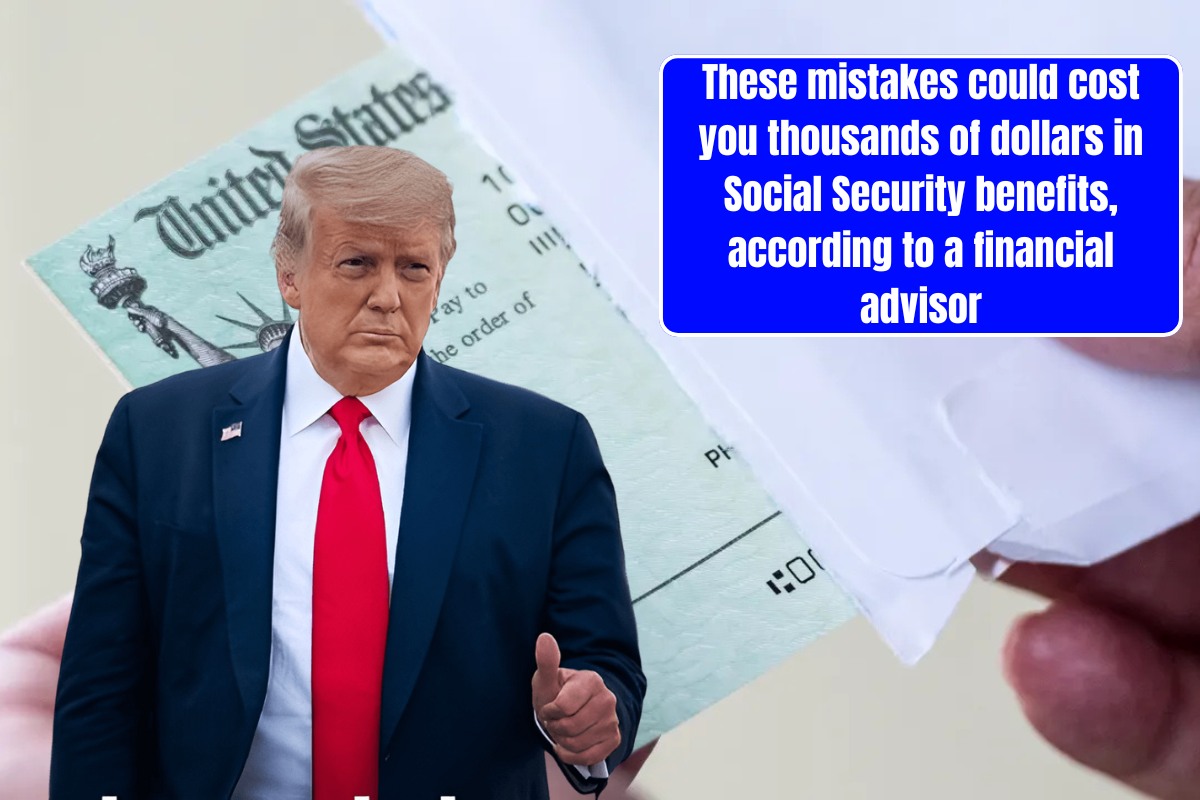
No, the U.S. federal government is not issuing new stimulus checks in November or December 2025. Despite widespread online rumors, no legislation has been passed, and the IRS has not confirmed any upcoming payments. Here’s a clear breakdown of what’s real, what’s rumor, and what you should know before falling for misleading posts or scams.
Are New Federal Stimulus Payments Coming in Late 2025?
Short Answer: No.
There is no active federal stimulus program scheduled to send payments before the end of 2025.
Here’s What We Know:
- The last official round of economic impact payments was issued in 2021.
- In 2024, the IRS did send automatic $1,400 payments to eligible people who had not claimed the 2021 Recovery Rebate Credit.
- Those payments were sent between December 2024 and January 2025.
- To qualify, individuals needed to file their 2021 tax return by April 15, 2025.
- That deadline has already passed, and no extensions are available.
If you missed that deadline, there’s no way to claim the payment now.
Trump’s $2,000 Tariff Dividend: A Proposal, Not a Payment
Former President Donald Trump has recently revived interest in stimulus-style payments by proposing a “tariff dividend” plan.
What’s the Plan?
- A $2,000 payment to middle- and low-income Americans (excluding high-income earners).
- Funded through tariff revenue collected on imports.
- Trump claims the leftover funds would help pay down the $37 trillion national debt.
Where It Stands in November 2025:
- The plan remains a proposal and has not been passed into law.
- There’s no official rollout, no IRS coordination, and no payment timeline.
- Treasury Secretary Scott Bessent said the idea would apply to people earning $100,000 or less.
- However, skepticism remains about whether tariff revenue alone could support payments at this scale.
Even though White House press briefings have discussed it, this proposal has not gone beyond discussion and remains in early planning stages.
Stimulus Scams and Fake Posts Are on the Rise
Many misleading claims online mention amounts like $1,702 or $1,390. These usually fall into three categories:
- Scams: Fake websites or emails asking you to “claim your check” by entering personal info like Social Security or bank details.
- Misleading Posts: Viral content with dramatic headlines and no credible source.
- State-Specific Programs: Some confusion stems from Alaska’s Permanent Fund Dividend, which does issue annual payments to residents—but it’s not a federal program.
Red Flags to Watch Out For:
- Messages or texts asking you to “verify” your information for a stimulus payment.
- Claims that the IRS is sending out “surprise” or “bonus” checks.
- Websites that are not IRS.gov or official .gov domains.
How to Protect Yourself
- Do not click on suspicious links or provide personal information through text, email, or social media.
- The IRS never contacts people about stimulus checks through DMs, text messages, or unsolicited emails.
- Verify payment news only through:
- IRS.gov
- U.S. Treasury Department announcements
- Reputable news sources
What You Should Know Going into 2026
- There are no confirmed federal stimulus checks coming for the rest of 2025.
- Trump’s $2,000 tariff dividend proposal remains unofficial and would require approval and legislation before anything is issued.
- Stay alert for scams, especially if a post or message asks for your personal details.
- If the government ever issues new payments, you will not need to apply or pay a fee. The IRS will send payments automatically based on tax filings.
IRS stimulus warnings
The IRS continues to caution taxpayers about fake stimulus payment messages designed to trick people into sharing personal information.
Here are some ways to tell if the IRS is reaching out or if it’s a scammer:
- The IRS never makes contact through email, texts, or social media; scammers often use fake accounts or links.
- The IRS begins communication with an official letter or notice, which can be verified through a secure IRS Online Account or customer service.
- Agents may call after sending a notice, but they will not leave threatening, pre-recorded messages or demand payment.
- Private agencies may contact taxpayers only after written notice, and all legitimate collection notices include a matching Taxpayer Authentication Number.
- The IRS has ended most unannounced visits by revenue officers to improve safety for taxpayers and employees.