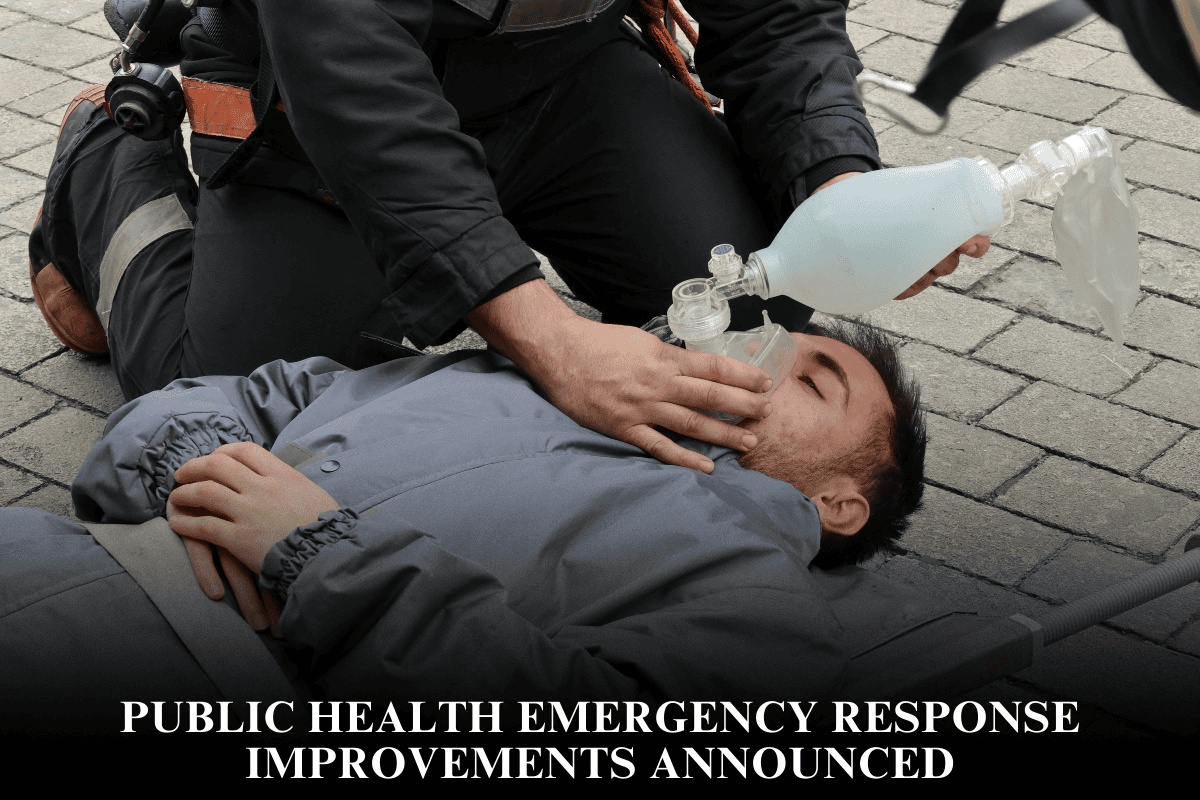
Recent US announcements outline transformative enhancements to public health emergency response, led by CDC’s Response Readiness Framework and HHS initiatives amid opioid crisis renewals.
These updates address gaps exposed by COVID-19, mpox, and wildfires, emphasizing risk-based planning, data modernization, and equity to build resilient systems nationwide. With overdose deaths down 25.5% yet claiming 150 lives daily, flexibilities sustain coordination through 2026.
CDC’s Response Readiness Framework
CDC’s Public Health Response Readiness Framework, guiding PHEP cooperative agreements, targets 10 priority areas for all-hazards preparedness. Key improvements include risk-based planning with medical countermeasure logistics, enhanced federal-NGO partnerships for community efforts, and expanded local jurisdictional support.
Administrative reforms ensure timely resource access, while workforce boosts focus on surge capacity, recruitment, retention, and mental health resilience.
Data systems modernize for real-time situational awareness via NBS doubling ELR/eCR speeds by 2025, enabling 100% near-real-time data and 8x case insights for five jurisdictions. Risk communications strengthen warning proficiency; health equity integrates structural barrier support; labs advance threat characterization; and recovery prioritizes lessons learned.
HHS and Opioid Crisis Renewals
HHS Secretary Robert F. Kennedy, Jr. renewed the opioid PHE on March 18, 2025, unlocking grants, regulatory waivers for Medicare/Medicaid/HIPAA, and accelerated countermeasures.
Flexibilities enable workforce reassignments, volunteer liability shields, telehealth expansions, and federal supply access, sustaining treatment amid fentanyl threats. This extends 2017 origins, supporting research and coordination as deaths decline.
Hospital and Supply Chain Enhancements
AHA urges PAHPA reauthorization with boosted Hospital Preparedness Program funding for emergency responses, alongside medical supply chain fortification and cybersecurity amid rising threats. Executive orders direct ASPR for resilient supply lines; PHDS milestones expand healthcare data analytics for threat monitoring, releasing five products by 2025 and two localized tools by 2026.
Equity, Labs, and Recovery Focus
Equity practices target underserved communities; labs enhance surveillance/testing for emerging threats. Recovery efforts reconstitute departments post-emergency, incorporating evaluations. 2026 Preparedness Summit and ASPR TRACIE gateway amplify training/resources.
These coordinated strategies promise faster detection, equitable response, and recovery, reducing human/financial costs.
FAQs
What is CDC’s Response Readiness Framework?
A PHEP-guided strategy across 10 areas like risk planning, data modernization, equity, and recovery for all-hazards emergencies.
How does the opioid PHE renewal aid responses?
Enables funding, waivers, workforce flex, telehealth, and supply access to combat fentanyl/overdoses.
What data improvements are planned for 2025-2026?
NBS doubles surveillance speeds for real-time data; five analytic products from healthcare portfolio by 2025.
Why push PAHPA reauthorization?
To increase Hospital Preparedness funding, strengthen supply chains, and bolster cybersecurity.
How does the framework address equity?
Incorporates practices for communities facing health disparities due to structural barriers.