Climate change poses severe threats to U.S. public health infrastructure through extreme weather, rising temperatures, and disrupted services. Hospitals and clinics face physical damage, supply chain failures, and increased patient loads, straining an already vulnerable system.
Direct Infrastructure Damage
Extreme weather events like hurricanes, floods, and wildfires directly damage health facilities. Superstorm Sandy in 2012 shut down six New York City hospitals and 26 residential care facilities, reducing capacity by 8% immediately and 5% a month later.
Climate change has raised U.S. hospital damage risk by 38% from 1990-2020, with projections of 477 facilities at high shutdown risk by century’s end. Floods and storms cause infrastructure failures, power outages, and water shortages, halting critical care.
Increased Health Demands
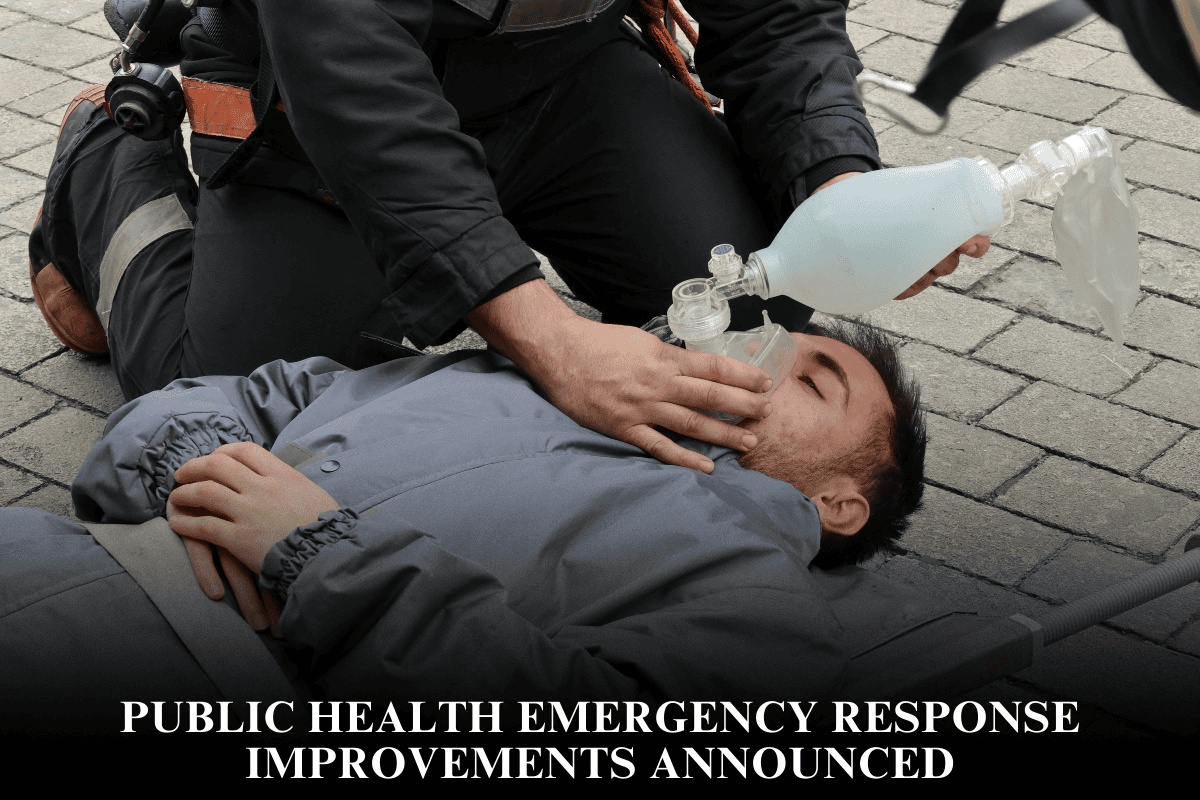
Heatwaves and poor air quality overwhelm emergency services. Heat events spike ambulance calls, ED visits, and hospitalizations for chronic conditions. Superstorm Sandy doubled cardiovascular and respiratory disease risks for months afterward, with injuries elevated up to a year later. Vector-borne diseases expand due to warmer climates, adding burden to underprepared systems.
Supply Chain and Operational Disruptions
Pharmaceutical and supply chains falter from storms, causing medication shortages. Events like the Suez Canal blockage highlight vulnerabilities in dialysis supplies. Blood shortages from repeated disasters delay surgeries, especially for sickle cell patients. Winter storms cost Brigham and Women’s Hospital $10 million in 2015 from canceled services.
Vulnerabilities in Underserved Areas
Frontline clinics serving low-income patients report frequent disruptions from power outages and closures. Over 80% of staff note climate impacts on care delivery. Hurricane Katrina destroyed emergency and primary care capacity in New Orleans, spiking uninsured rates. Only 20% of U.S. systems assess climate threats adequately.
Adaptation Strategies
Resilient designs include elevated structures and backup systems, as in Tampa General Hospital’s flood protections. Mass General Brigham’s Spaulding Rehabilitation Hospital uses climate-resilient features like sustainable energy. Federal efforts like the Office of Climate Change and Health Equity push for equity-focused preparedness.
Frequently Asked Questions
Q. What are the main climate threats to U.S. hospitals?
Floods, hurricanes, heatwaves, and wildfires damage buildings, cut power, and disrupt supplies, risking shutdowns.
Q. How did Superstorm Sandy affect health services?
It closed multiple facilities, doubled CVD and respiratory risks, and elevated injuries for over a year.
Q. Are supply chains impacted by climate change?
Yes, storms cause drug and blood shortages, delaying treatments like surgeries.
Q. Which areas are most vulnerable?
Coastal and low-income regions with frontline clinics face highest disruptions.
Q. What steps build resilient infrastructure?
Elevate facilities, add backups, conduct climate assessments, and integrate nature-based designs.