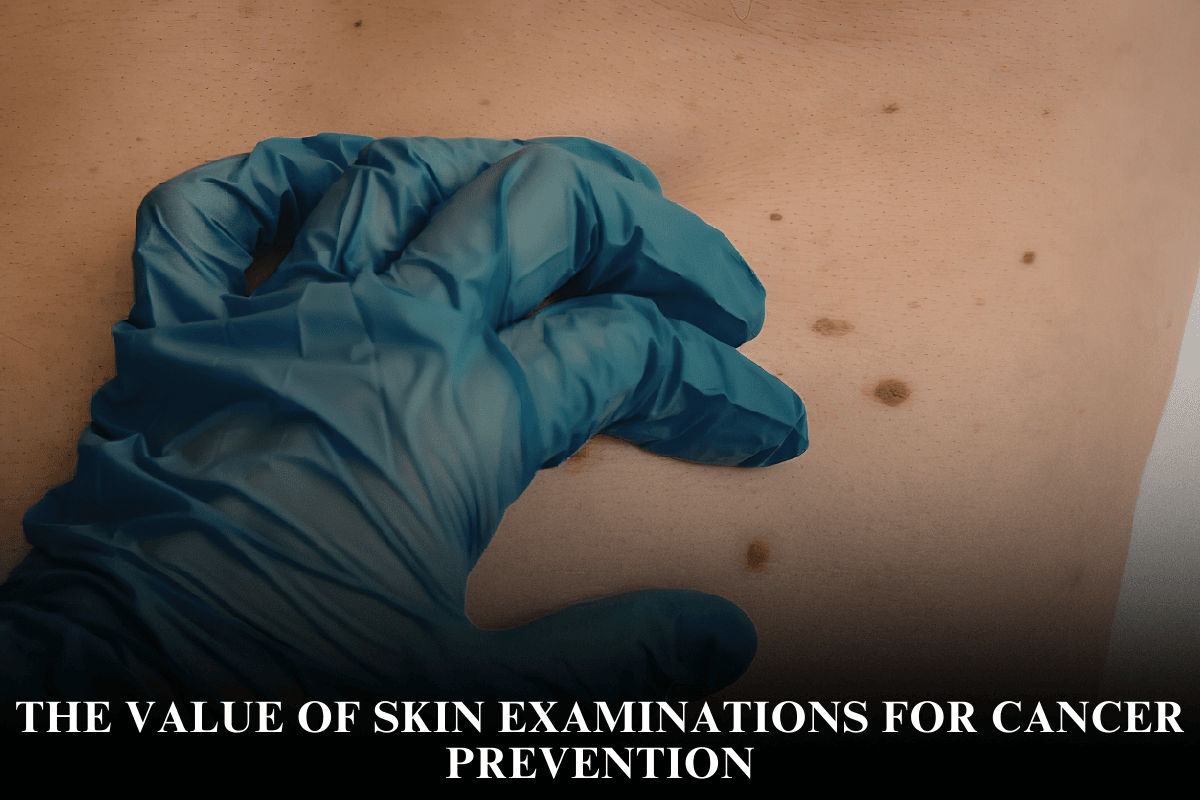
Regular skin examinations play a crucial role in detecting skin cancer early, when treatment success rates exceed 99% for localized cases in the US. Skin cancer, the most common cancer nationwide, includes melanoma (about 1% of cases but deadliest) and keratinocyte carcinomas like basal and squamous cell types, affecting millions annually.
Self-checks and clinician exams, despite USPSTF’s “I” statement on insufficient evidence for routine screening benefits versus harms, empower prevention through UV protection and prompt action on changes.
Understanding Skin Cancer Risks
UV radiation from sun, tanning beds, and artificial sources drives most cases, with frequent sunburns, older age, and fair skin heightening vulnerability.
Melanoma incidence hits 98,000 new US cases yearly, claiming 8,000 lives, while disparities persist—30 times more common in Whites but later-stage diagnoses in darker skin tones on palms, soles, or nails. Risk factors like family history or many moles warrant vigilant monitoring beyond general guidelines.
Self-Examination Techniques
Monthly self-skin exams follow the ABCDE rule: Asymmetry, irregular Borders, varied Color, Diameter over 6mm, Evolving changes—spot these on full-body checks, including scalp, back, and genitals using mirrors or partners.
Examine in bright light post-bath; note new, changing, or symptomatic lesions like itching/bleeding. Apps and photos track evolution; 76% of melanomas are self-detected, underscoring personal vigilance despite no mandate for clinician screening in asymptomatics.
Role of Clinician Screenings
USPSTF rates visual skin exams by clinicians as Grade I (insufficient evidence) for asymptomatic adolescents/adults without skin cancer history, reaffirmed from 2016 amid limited mortality reduction data.
Yet, organizations like the American Academy of Dermatology advocate annual full-body checks for high-risk patients (e.g., prior skin cancer, immunosuppression). Exams involve total-body surveys; accuracy varies, but early finds boost survival.
High-risk groups benefit most: fair-skinned over 50s, transplant patients, or those with 50+ moles. No copays apply under ACA for preventive visits, though screening itself lacks universal coverage guarantee.
Preventive Strategies and Awareness
Pair exams with sun safety: seek shade 10am-4pm, wear UPF clothing, broad-spectrum SPF 30+ reapplied every 2 hours, and avoid tanning beds (indoor UV raises melanoma risk 75%). Community efforts like CDC’s Melanoma Dashboard and school interventions promote awareness; behavioral counseling gets USPSTF “B” grade for ages 6 months-24 years.
Early detection via exams slashes treatment costs and morbidity—localized melanoma cure rates near 100% versus 30% metastatic. Track via journals; consult dermatologists for suspicious spots promptly.
Integrating Exams into Routine Health
Annual wellness visits offer exam opportunities; primary care or dermatologist referrals suit concerns. For diverse tones, focus acral areas; education closes gaps in late diagnoses among minorities. Tools like dermoscopy aid pros, but self-awareness remains first line.
FAQs
What is the USPSTF stance on skin cancer screening?
Insufficient evidence (Grade I) for clinician visual exams in asymptomatic adolescents/adults; more research needed on benefits/harms.
How do you perform a self-skin exam?
Use ABCDE rule monthly: check full body for asymmetry, border irregularity, color variation, diameter >6mm, evolving spots.
Who is at highest risk for skin cancer?
Fair-skinned individuals, frequent sunburn history, older adults, males, family history; darker tones risk later detection on non-sun areas.
Does screening reduce skin cancer deaths?
Unclear per USPSTF due to limited data; self-detection catches 76% of melanomas early for better outcomes.
What preventive steps complement skin exams?
UV protection (SPF 30+, shade, clothing), no tanning beds; counseling recommended for young people.