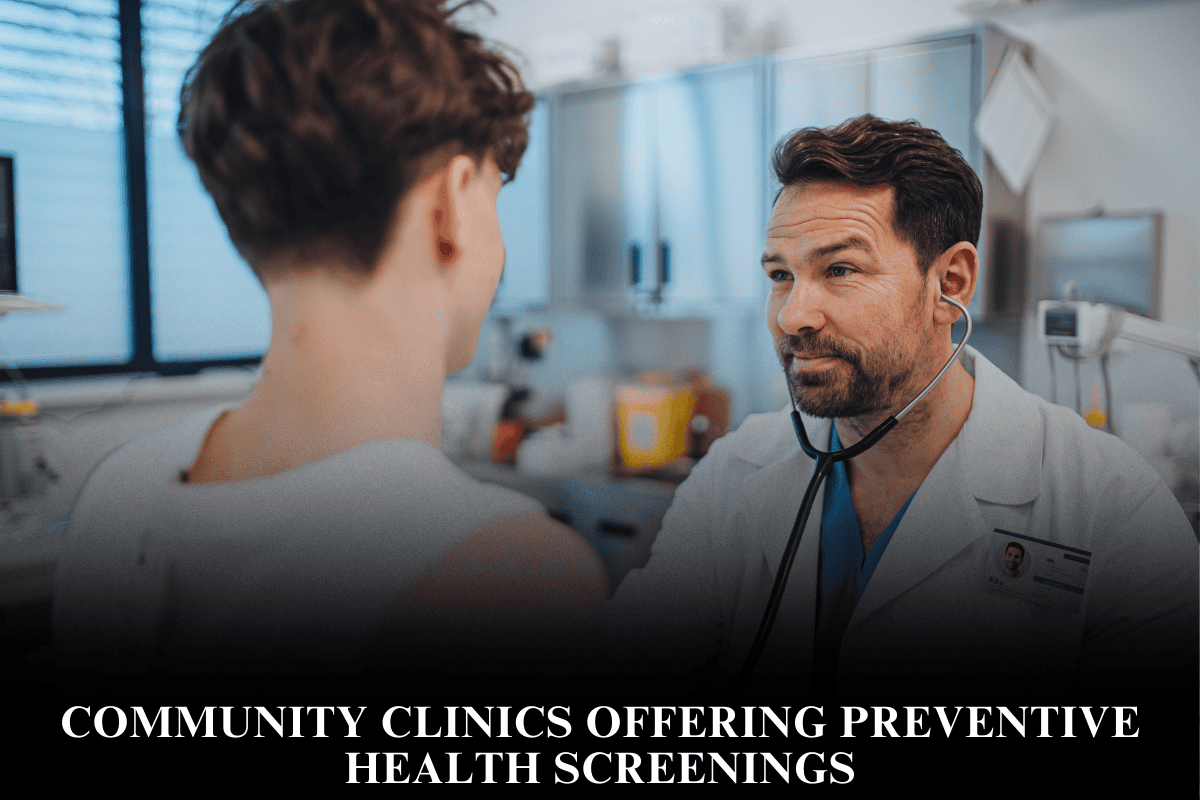
Community clinics are vital hubs for preventive health screenings, offering accessible, low-cost services that catch diseases early and curb healthcare burdens. These facilities serve underserved populations, promoting wellness and reducing long-term medical expenses through timely interventions.
Key Screening Services
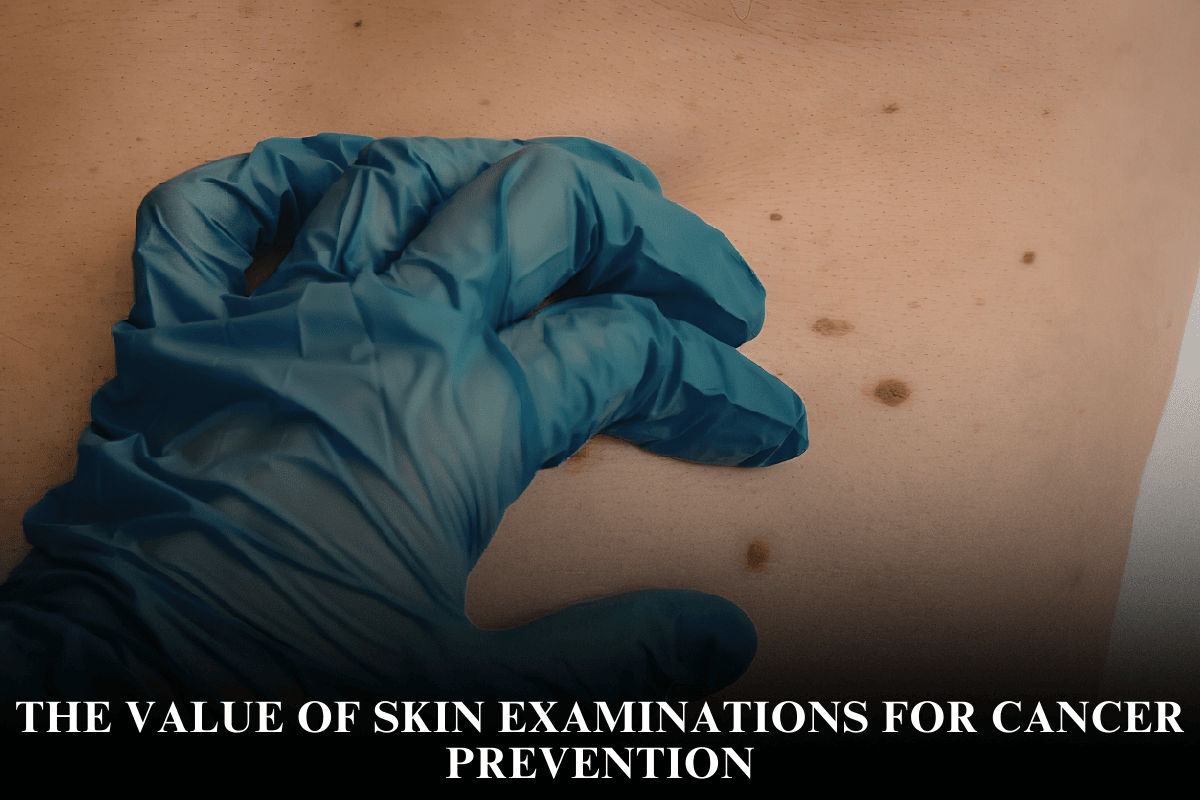
Community clinics provide routine checks like blood pressure, cholesterol, diabetes, and cancer screenings (breast, cervical, colorectal, prostate). They also offer immunizations for flu, COVID-19, childhood diseases, and more, alongside lifestyle counseling for smoking cessation, nutrition, and weight management. Wellness exams for all ages include developmental tracking for kids and chronic disease risk assessments for adults.
Accessibility and Affordability
As Federally Qualified Health Centers (FQHCs), these clinics deliver no-cost or sliding-scale services to uninsured, low-income, and diverse communities, often in multiple languages. Mobile units and outreach extend reach to schools, senior centers, and rural areas, ensuring broad participation. Local health departments and volunteer clinics supplement with free events for HIV/STD testing, TB screening, and vaccines.
Health Impact
Early detection via screenings prevents complications; for instance, hypertension checks avert heart disease, while cancer screenings boost survival rates by 30-50%. Clinics reduce emergency visits by addressing risks proactively, saving billions in U.S. healthcare costs annually. Programs like family planning and behavioral health support foster holistic prevention.
Operational Models
Facilities like CCHC in Los Angeles integrate preventive care with dental, vision, and mental health services across multiple sites. San Diego’s public health centers focus on immunizations and testing, while mobile fleets in North County deliver on-site care. Partnerships with WIC and housing aid enhance community resilience.
Challenges and Innovations
Barriers like transportation and awareness are tackled through community education and telehealth options. Data-driven targeting prioritizes high-risk groups, with 177,000+ annual visits at major clinics proving scalability.
FAQs
1. What screenings are free at community clinics?
Blood pressure, diabetes, cholesterol, cancer, and immunizations, often at no cost for eligible patients.
2. Who qualifies for these services?
Uninsured, low-income, children, seniors, and Medi-Cal participants; no citizenship required.
3. Do clinics serve families?
Yes, with back-to-back visits for all ages, including well-child exams and adult wellness.
4. How do mobile clinics help?
They bring screenings to remote or underserved spots like schools and housing.
5. Why focus on prevention here?
It cuts emergency costs and improves outcomes via early intervention.