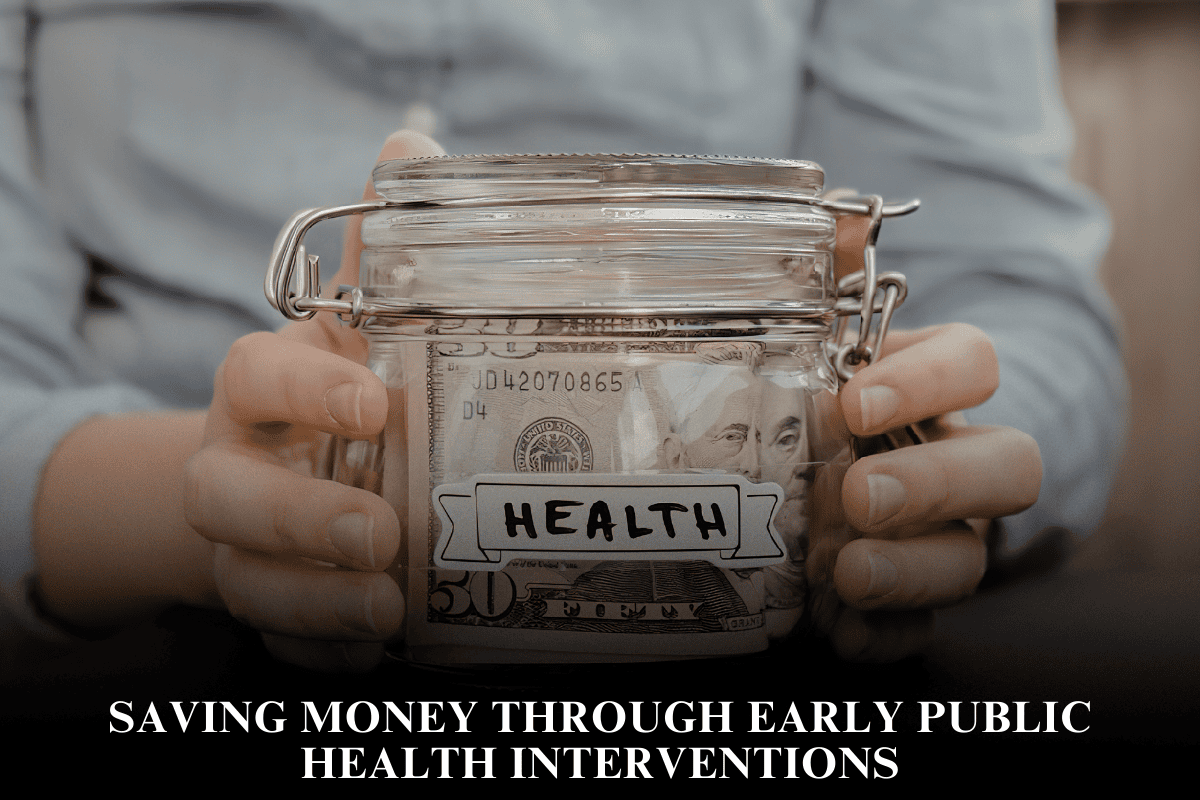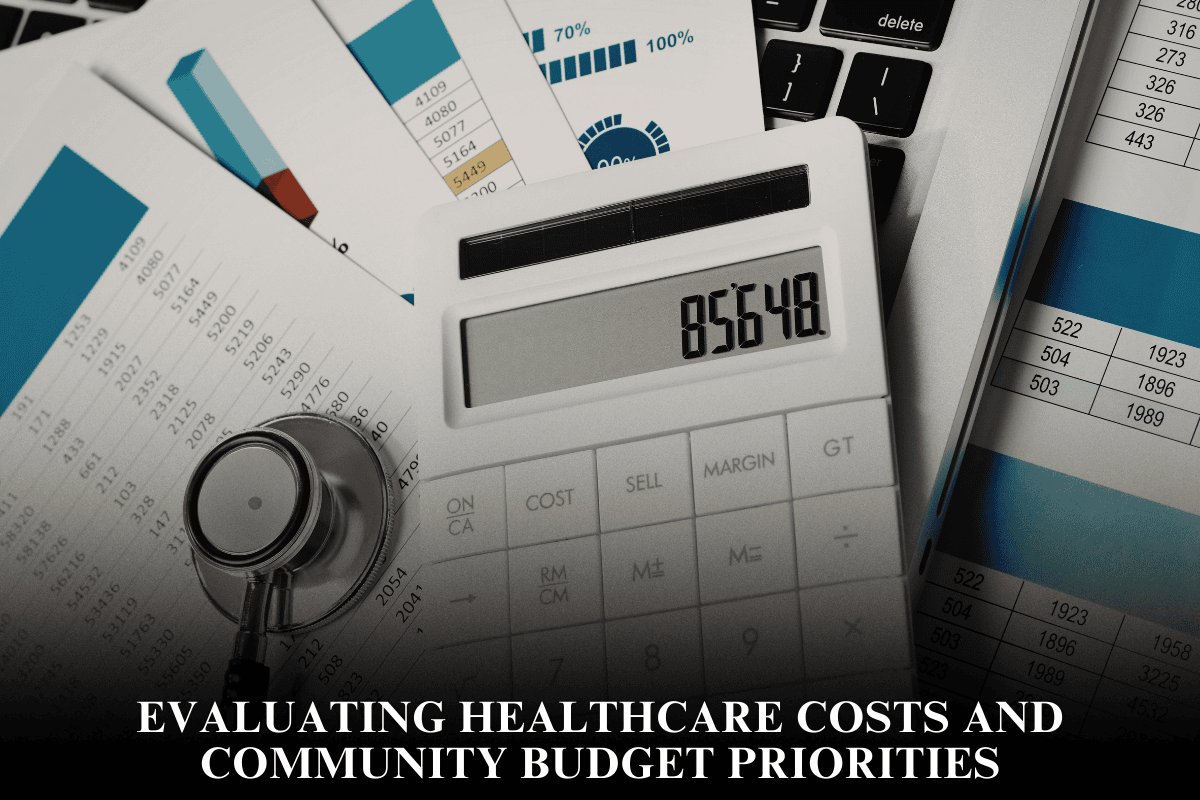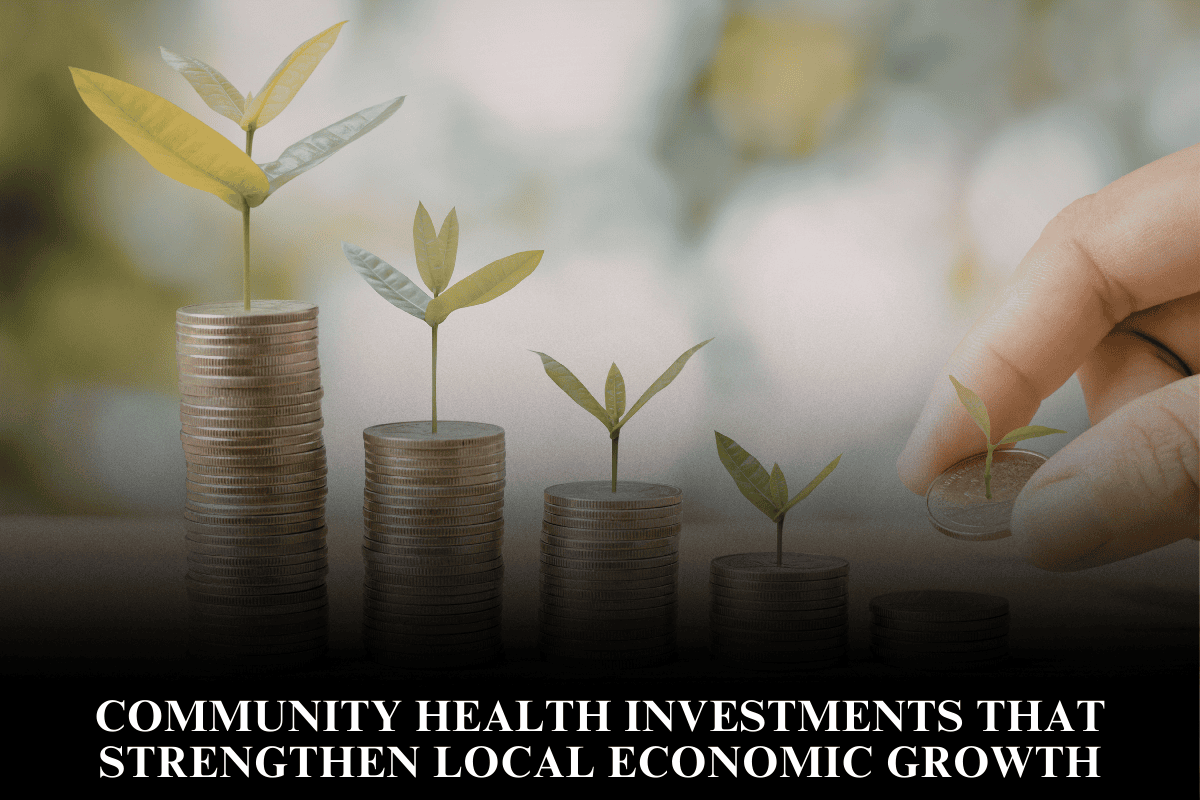
Public health plays a pivotal role in cutting workforce healthcare costs by emphasizing prevention over treatment, fostering healthier employees, and minimizing absenteeism and chronic disease burdens. This approach not only saves employers billions but also boosts productivity across industries.
Preventive Strategies
Public health initiatives like vaccinations, screenings, and lifestyle programs prevent costly chronic conditions that account for 90% of U.S. healthcare spending. Workplace programs targeting risk factors have demonstrated 25% reductions in absenteeism, health claims, and disability costs. These efforts shift focus from expensive reactive care to proactive measures, yielding long-term savings for businesses.
Economic Impact
Chronic diseases cause $36.4 billion in annual employer losses from lost productivity and absenteeism. Public health campaigns promoting physical activity, mental health support, and obesity reduction directly lower these figures while improving employee retention by up to 10%. A vaccinated, screened workforce avoids hospitalizations, saving billions yearly.
Workplace Implementation
Employers integrating public health via wellness programs—such as flu shots, stress workshops, and ergonomic training—see reduced turnover and sick days. Systematic reviews confirm well-implemented programs lower overall insurance premiums effectively. Community-based education amplifies this by enabling early disease detection.
Case Studies
A tech startup’s mental health program cut sick days and turnover within a year, proving tailored initiatives deliver quick ROI. Broader public health efforts, like anti-smoking campaigns, have averted trillions in future costs by curbing noncommunicable diseases. These examples highlight scalable models for global workforces.
Challenges and Solutions
Barriers like high-deductible plans can deter preventive use, but public mandates and subsidies overcome this. Investing in data analytics and employee engagement ensures sustained participation, maximizing cost benefits.
FAQs
1. How does public health directly lower employer healthcare premiums?
Preventive measures reduce chronic disease incidence, cutting claims by 25% on average through lower absenteeism and treatments.
2. What role do vaccinations play in workforce cost savings?
They prevent infectious outbreaks, avoiding expensive hospitalizations and productivity losses worth billions annually.
3. Can small businesses afford public health programs?
Yes, low-cost screenings and education yield high ROI via reduced sick days and retention gains.
4. How does mental health factor into these savings?
Programs like counseling reduce turnover by 10% and absenteeism, fostering a more productive workforce.
5. What evidence supports long-term public health ROI?
Reviews of 56 studies show consistent 25% drops in health costs, with trillions projected in national savings.