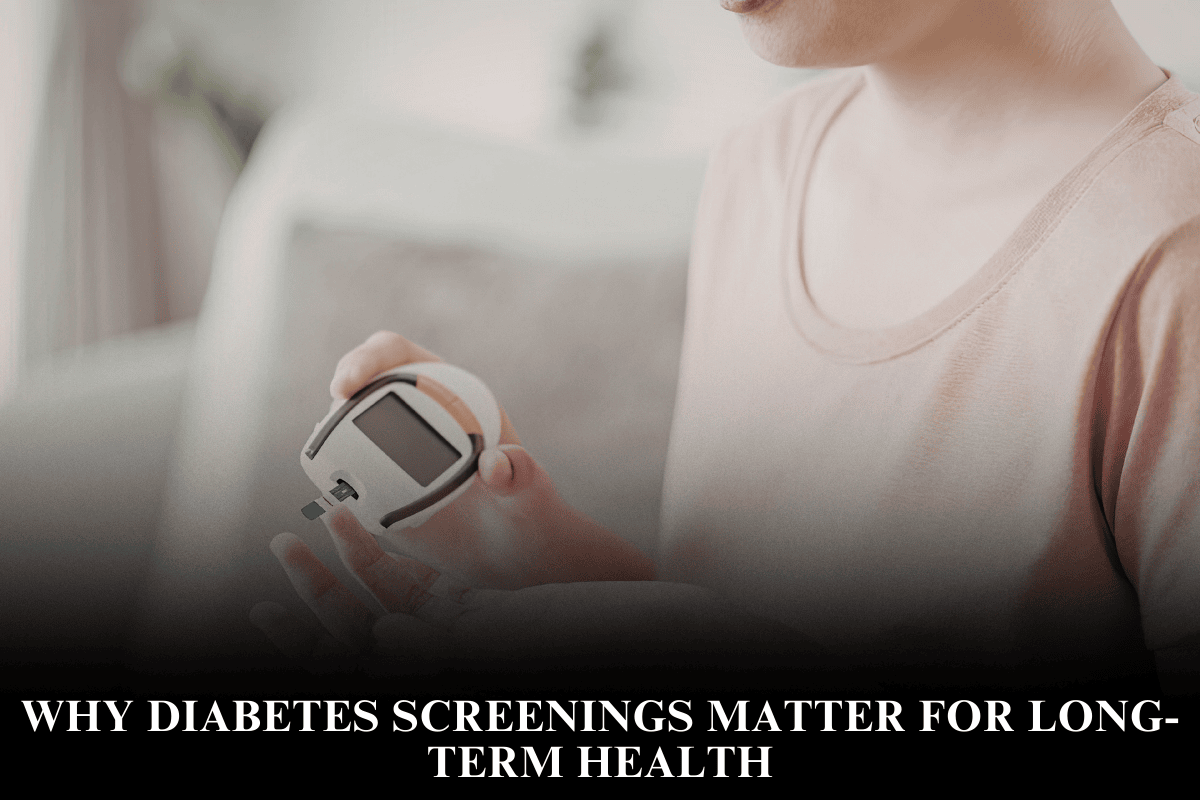
Diabetes screenings are essential for catching prediabetes and type 2 diabetes early, when lifestyle changes or medication can prevent severe complications like heart disease, kidney failure, and vision loss. In the U.S., where over 38 million people have diabetes and millions more are undiagnosed, routine checks empower proactive health management for long-term wellness.
Why Early Detection Counts
Undiagnosed diabetes silently damages blood vessels, nerves, and organs over years, leading to costly emergencies. Screenings via simple blood tests—fasting glucose, A1C, or oral glucose tolerance—spot elevations before symptoms like fatigue or thirst appear.
Early intervention slashes risks: studies show a 29% relative reduction in cardiovascular events and 17% drop in mortality with prompt care versus delayed diagnosis. For high-risk groups like those over 45, overweight, or with family history, annual screens align with ADA guidelines, catching 84% of cases missed by symptoms alone.
Who Needs Screening
USPSTF recommends testing adults 35-70 who are overweight, plus younger high-risk individuals (e.g., gestational diabetes history, PCOS, or certain ethnicities like African American, Hispanic, Native American). Children in obese families may start at age 10. Community health fairs and employer programs make free A1C tests accessible, especially in underserved areas.
How Screenings Work
- A1C Test: Measures average blood sugar over 2-3 months; 5.7-6.4% signals prediabetes, ≥6.5% diabetes. No fasting needed.
- Fasting Plasma Glucose: ≥126 mg/dL after 8-hour fast confirms diagnosis.
- OGTT: 2-hour post-glucose load ≥200 mg/dL.
Results trigger metformin, diet tweaks, or DPP lifestyle coaching, which cuts progression 58%. In 2026, point-of-care tests at pharmacies expand access amid rising obesity rates.
Proven Long-Term Benefits
Early screening prevents microvascular issues (retinopathy, nephropathy) and macrovascular ones (strokes, amputations). Modeling from ADDITION-Europe shows 3.3% absolute risk drop in composite outcomes at 5 years. U.S. data links screening-led BP/glucose control to fewer hospitalizations—vital as diabetes drives $413 billion in annual costs. Lifestyle gains persist: screened patients adopt better diets, exercise, boosting quality-adjusted life years.
Risk Factors and Prevention
Addressing these via community programs halves incidence in prediabetics.
Challenges and Solutions
Some studies question broad screening ROI without follow-up interventions, citing no short-term CVD drops. Yet, best-case NNS is 500 for CV prevention via aggressive BP control post-screen. Barriers like access improve with telehealth and HRSA-funded clinics. Trump’s 2025 health push emphasizes prevention incentives in Medicare Advantage.
Community and Policy Role
CDC interventions yield $5+ savings per dollar via fewer complications. Faith-based screenings in areas like Panipat-inspired models boost uptake 40% among minorities. Employers offering annual checks see 20% lower absenteeism.
FAQs
1. How often should I screen?
Every 3 years if normal; annually if high-risk or prediabetic. ADA advises yearly for 45+.
2. Does screening cause anxiety?
Minimal—no evidence of false reassurance leading to unhealthy behaviors.
3. Prediabetes reversible?
Yes, 58% halt progression with DPP: 7% weight loss, exercise.
4. Covered by insurance?
Yes, USPSTF A-grade means no-cost under ACA for eligible adults.
5. Kids need screening?
Overweight youth with risks ≥ age 10; rising U.S. pediatric cases demand vigilance.