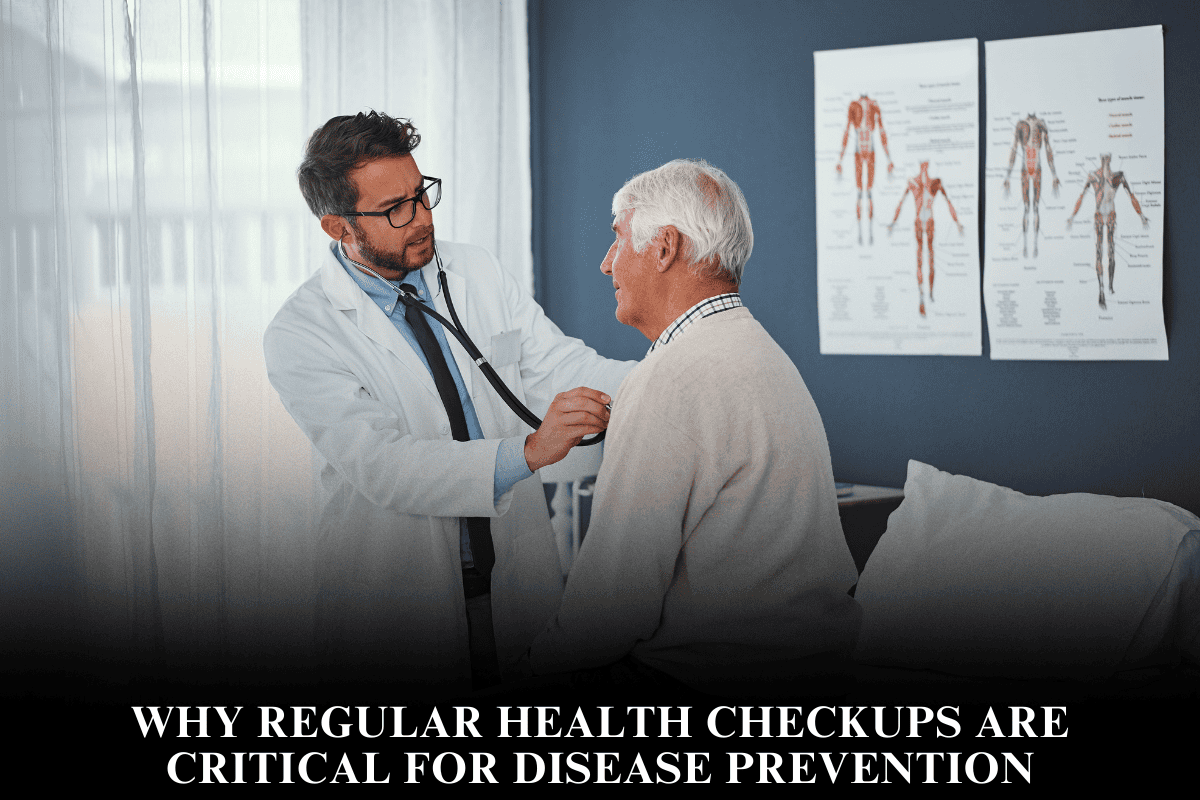
Regular health checkups are essential proactive steps that detect potential issues early, enabling timely interventions to prevent chronic diseases and improve long-term outcomes. They empower individuals and communities by managing risks like hypertension and diabetes before they escalate, saving lives and healthcare costs across the US.
What Are Regular Checkups?
Routine health checkups involve comprehensive exams, screenings, and discussions with providers to assess overall wellness, separate from sick visits. They include blood pressure checks, cholesterol tests, cancer screenings, and vaccinations tailored to age, gender, and risk factors.
In the US, guidelines from the CDC and USPSTF recommend annual or biennial visits starting at age 18, with more frequent checks for those over 50 or with family histories of heart disease or cancer. Medicare covers free annual wellness visits for seniors, emphasizing preventive focus.
These visits update family health history, counsel on lifestyle, and catch silent killers early—70% better outcomes for monitored patients.
Key Benefits for Disease Prevention
Early detection slashes mortality: colon cancer deaths drop 30% with regular screenings; mammograms reduce breast cancer mortality by 20-40% in women 50-74.
Checkups control risks—hypertension treatment via statins or lifestyle cuts heart attack risk by 25%; diabetes screenings every 3 years prevent complications like kidney failure. Vaccinations boost immunity, averting flu outbreaks that hospitalize 200,000 yearly.
Patient-reported improvements include better mood, adherence to meds, and chronic disease management, vital for at-risk groups like minorities or rural residents.
Common Screenings and Schedules
Tailor by age: Adults 18-39 need BP, BMI, and STI checks; 40-64 add cholesterol, diabetes (A1C), and lung cancer CT for smokers. Over 65: osteoporosis, abdominal aortic aneurysm scans.
Women: Pap smears every 3 years (21-65), mammograms biennially (50+). Men: Prostate discussions from 50. All: Depression screening, obesity counseling. Bowel tests every 2 years post-45.
Preventive care reduces chronic disease risk by up to 50%, per studies, by addressing modifiable factors like smoking and diet early.
Impact on Communities and Costs
Communities benefit as checkups lower ER overload—preventive services save $3.7 billion yearly in hospitalizations. Underserved areas gain via FQHCs offering free/low-cost visits, narrowing disparities.
Economic wins: Early interventions cut Medicare spending by 10-20% per enrollee; healthy workers boost productivity, reducing $147 billion annual sick days. Post-COVID, telehealth checkups expanded access by 30%.
For families, continuous monitoring prevents hereditary issues, fostering generational health.
Overcoming Barriers to Checkups
Fear, time, and cost deter 30% of adults; solutions include same-day appointments, virtual options, and zero-copay insurance perks. Providers address anxiety with clear communication.
Busy schedules? 15-30 minute visits fit; apps remind and track. No insurance? Community clinics via HRSA serve millions. Prioritizing beats regret—silent hypertension affects 1 in 3 unaware adults.
Real-World Success Stories
Studies show routine visits increase depression treatment by 20%, vaccinations by 15%, and cholesterol control, preventing strokes. One analysis: checkups yield 70% positive health shifts versus reactive care.
In high-risk groups, they close gaps—e.g., improved outcomes for ethnic minorities via targeted screenings. Long-term: 10-year adherents live healthier, fuller lives.
FAQs
Q. How often should I get checkups?
Annually for most adults; biennially for healthy 18-39, more if risks like obesity or smoking exist. Follow USPSTF guidelines.
Q. Do checkups really prevent disease?
Yes—early detection reduces cancer mortality 20-40%; risk control prevents heart events and diabetes complications.
Q. What if I feel fine?
Silent conditions like high cholesterol affect millions unnoticed; checkups catch them, improving outcomes by 70%.
Q. Are they free with insurance?
Often yes—ACA mandates no-copay preventive services; Medicare wellness visits are $0 for seniors.
Q. Who needs them most?
At-risk: minorities, rural dwellers, those with poor diet/exercise, or overdue screenings—benefits outweigh general population gains.